How to Build a Capsule Wardrobe That Actually Works

There's a specific kind of wardrobe frustration: forty pieces in the closet, nothing works together, and you're late. The capsule wardrobe is the practical answer, not a minimalist philosophy, not an aesthetic project, but a method for owning fewer things that do more. When every piece pairs with most others, getting dressed becomes fast and easy instead of a daily negotiation with your own clothes.
This guide is specific: how many pieces, which fabrics, which garments, in what order. We focus on natural fibres linen, cotton, extrafine Merino because they last longer, feel better with wear, and cost less per use over time than synthetics or low-quality blends.
How many pieces you actually need
The most common answer is 30 to 40 pieces, but that number is not universal and often includes duplicates or shoes. For clothing essentials, 10 to 15 core pieces is a realistic starting point for most people, with additional items depending on your lifestyle and climate.
What counts as a piece? A piece is a single garment that you wear. Shirts, trousers, dresses, knitwear, and outerwear each count. Underwear and socks do not. Shoes are separate and depend on your lifestyle, commuting by public transport is different from walking, and office work is different from outdoor work.
The 10 to 15 range assumes four to five outfits per week, with light rotation. That means two to three trousers or skirts, two to three dresses, three to four tops or shirts, one knitwear piece for layering, and one seasonally appropriate outerwear piece. This is not minimal to the point of discomfort. It is a practical starting point for someone who does laundry weekly.
If you work in a high visibility role, entertain frequently, or live in a climate with multiple seasons requiring different weights, you may reasonably need 20 to 25 pieces. If you live in a warm climate year round, 12 to 15 pieces may be sufficient. The goal is not a specific number, it is knowing your number and staying close to it.
A useful metric is cost per wear. A €159 pair of linen trousers that you wear 60 times per year costs €2.65 per wear. A €49 synthetic dress that you wear 8 times before it pills costs €6.13 per wear. The capsule wardrobe perspective asks you to think in these terms, which naturally leads you toward fewer, better pieces.
The fabric question, why natural fibres last longer
Natural fibres, linen, cotton, and merino wool, perform differently than synthetics because of their structure. Linen and cotton are plant cellulose. Merino is protein. Synthetics are polymers. This matters for durability, comfort, and longevity.
Linen becomes softer with wear and washing. It resists pilling, absorbs moisture without feeling damp, and can hold up beautifully when woven and cared for well. European Flax certified linen adds traceability around fibre origin and processing, which makes the material claim easier to verify.
Cotton, especially organic cotton or cotton and linen blends, can resist wear better than synthetics of the same weight. Organic cotton is grown without synthetic pesticides, which reduces environmental cost during production. Cotton softens with washing and is durable enough for weekly wear. A cotton and linen blend combines the durability and temperature regulation of linen with the structure and softness of cotton.
Merino wool is naturally temperature regulating and odour resistant. Extrafine merino, used in high quality knit pieces, feels softer against skin and can soften further over time. Merino requires cold water washing and flat drying, but a well made merino knit can last for many seasons with basic care.
Synthetics often show wear differently because surface fibres can break down under friction and UV exposure. A polyester dress may pill, fade or lose shape faster than a natural fibre garment made with better fabric and construction. Synthetic blends can be useful in some contexts, but they often make less sense for pieces you want to wear for years.
Natural fibres also age visibly and usually gracefully. Linen develops a lived in texture. Cotton softens. These changes signal that a garment is being used and cared for, not that it is degrading. This is the opposite of synthetic fast fashion, where visible wear often signals the item is failing.
Care matters. Natural fibres benefit from cold water, mild detergent, and air drying. They require no special treatment beyond basic garment care. Synthetics often require special detergents or stain treatments because the fibres do not breathe and do not release sweat or odours easily. Over time, the care requirement for natural fibres is lower, not higher.
The 10 pieces worth investing in
These pieces form the core of a functional capsule wardrobe. Every piece here works with most others, covers a different need, and justifies its cost through durability and versatility.
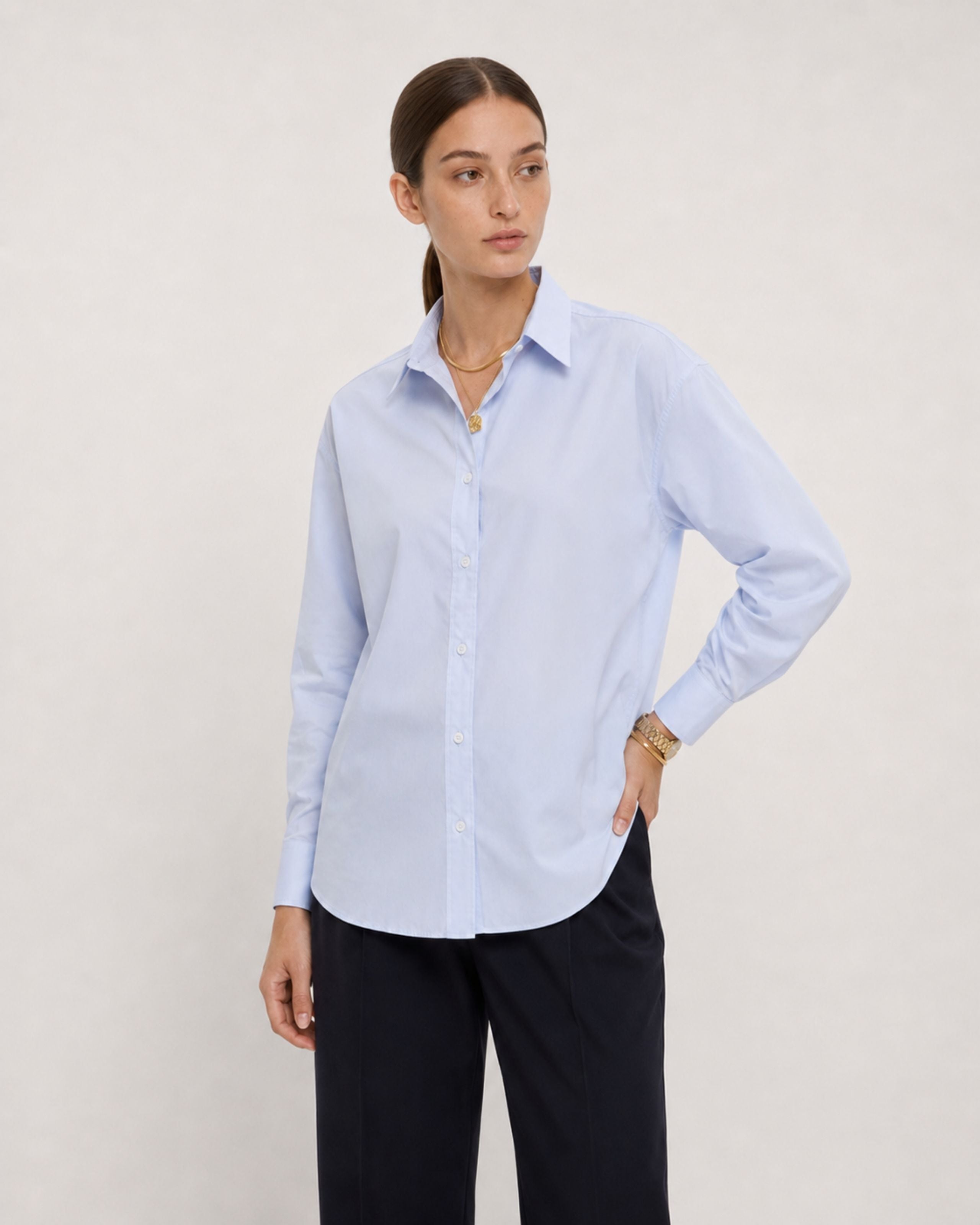
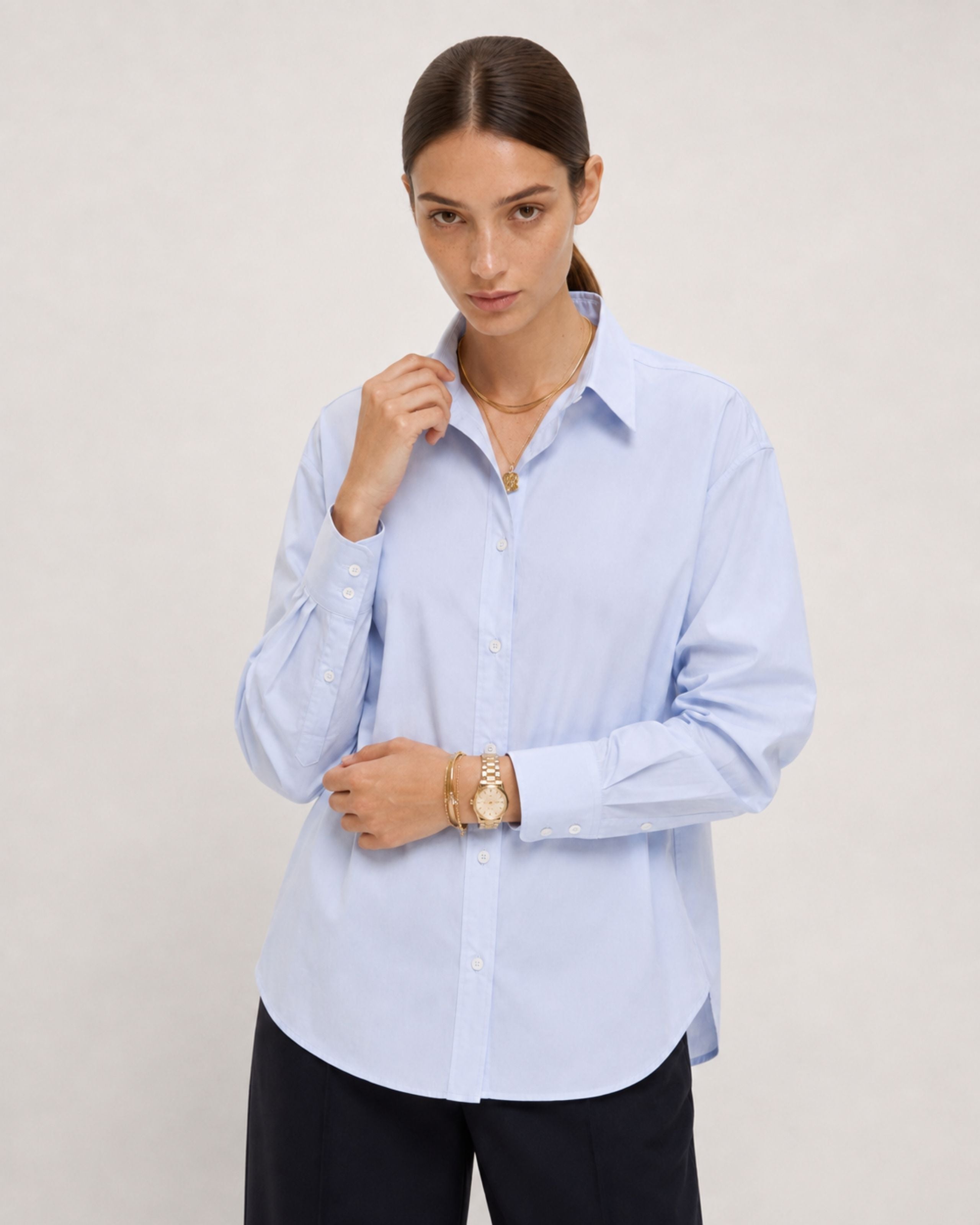
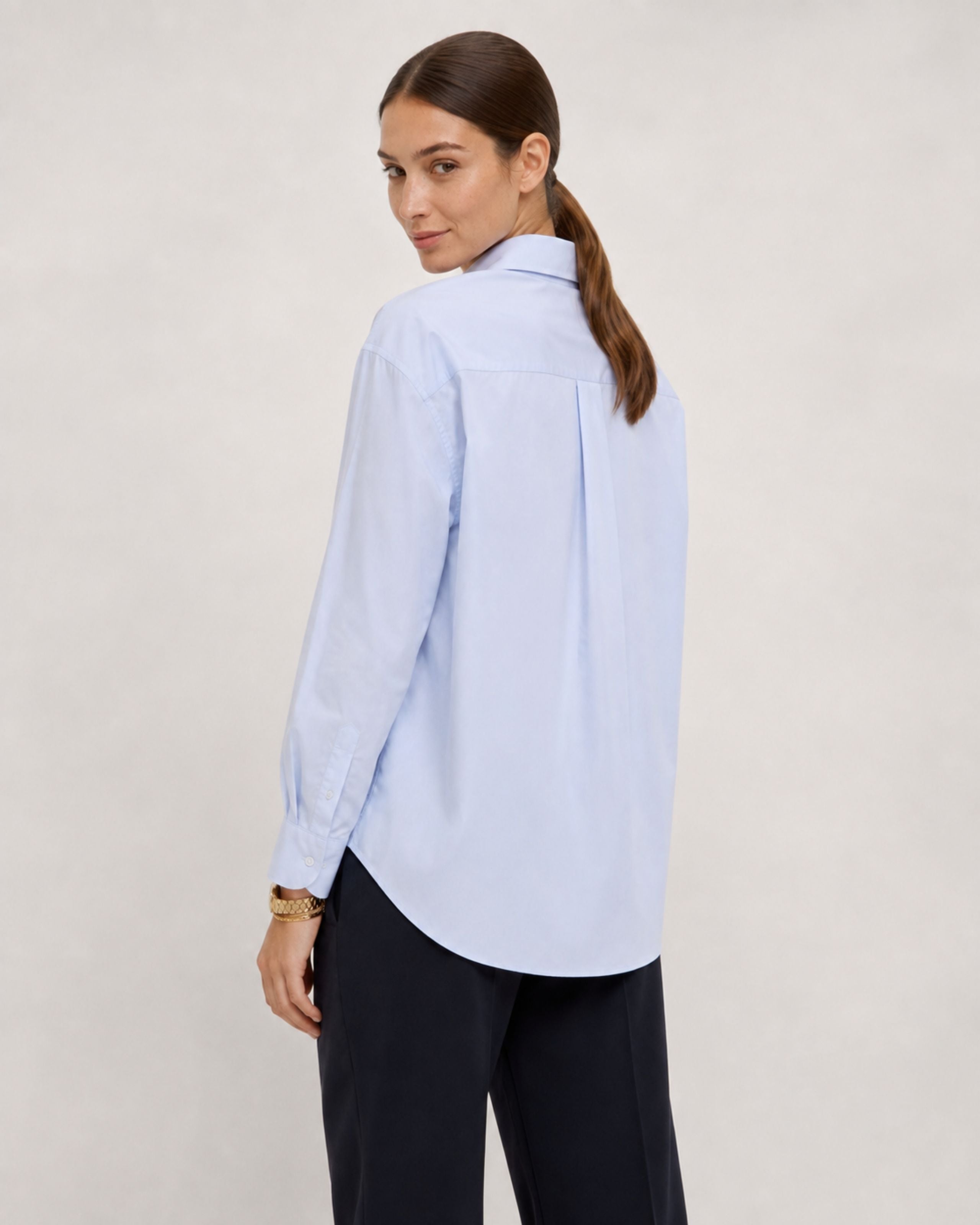
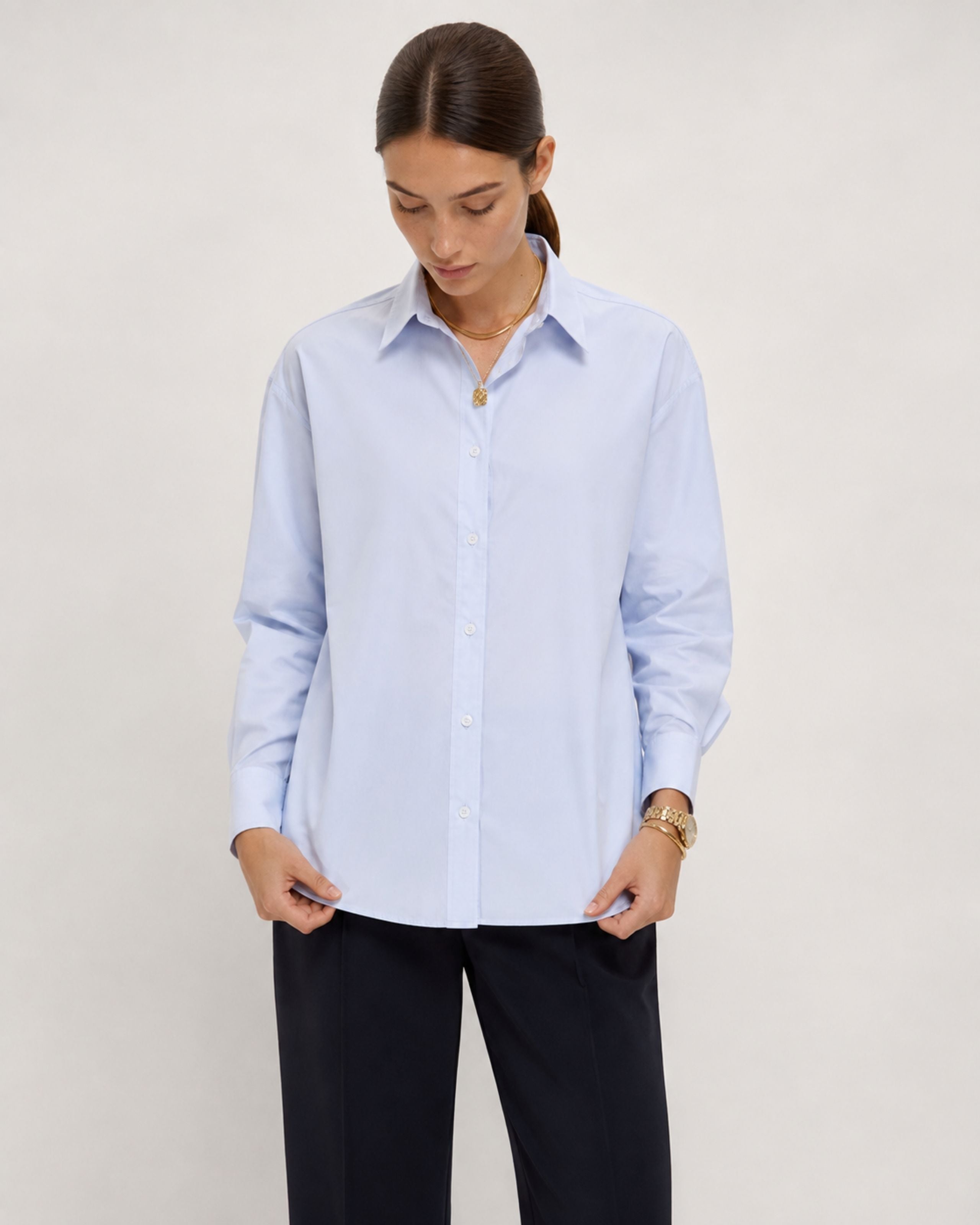
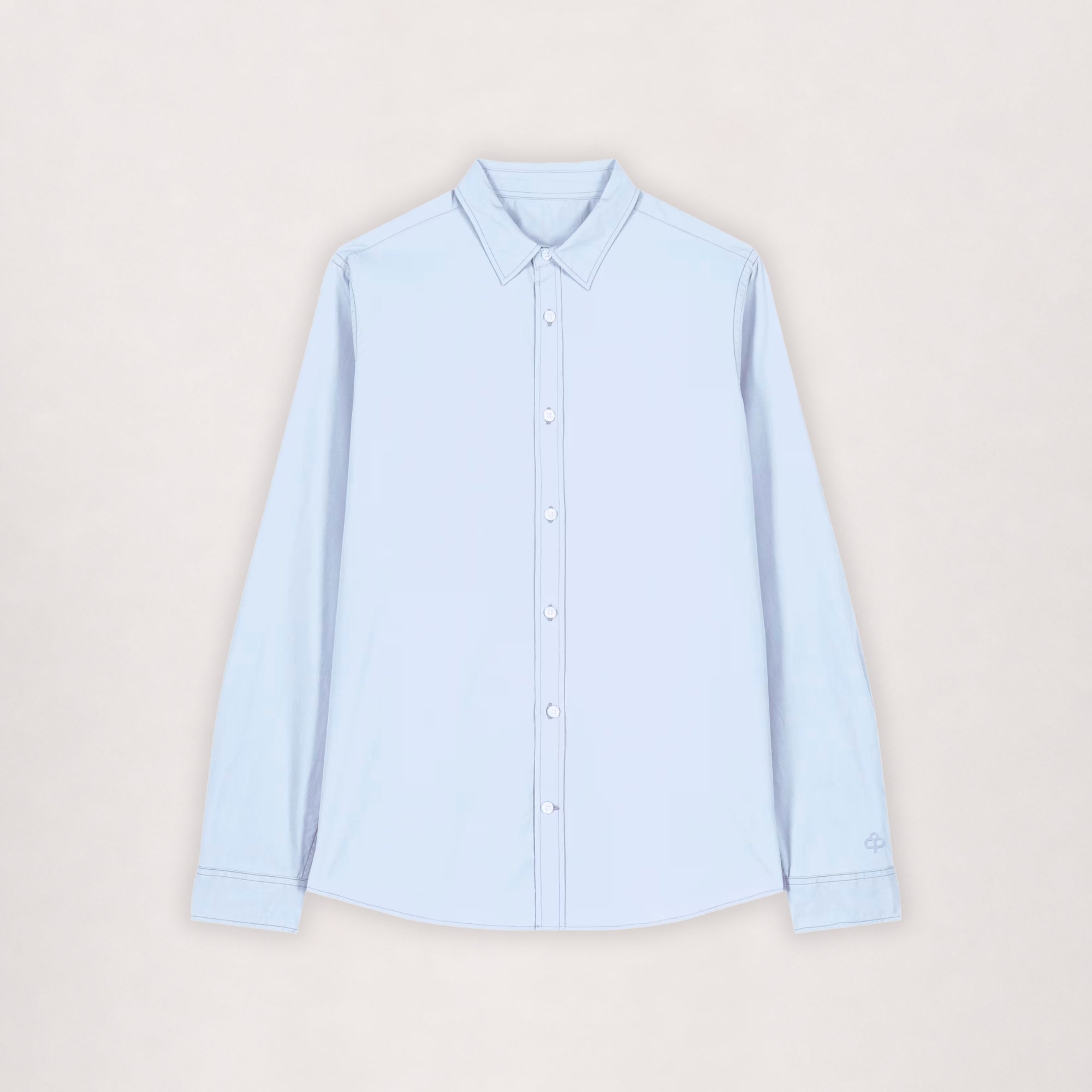
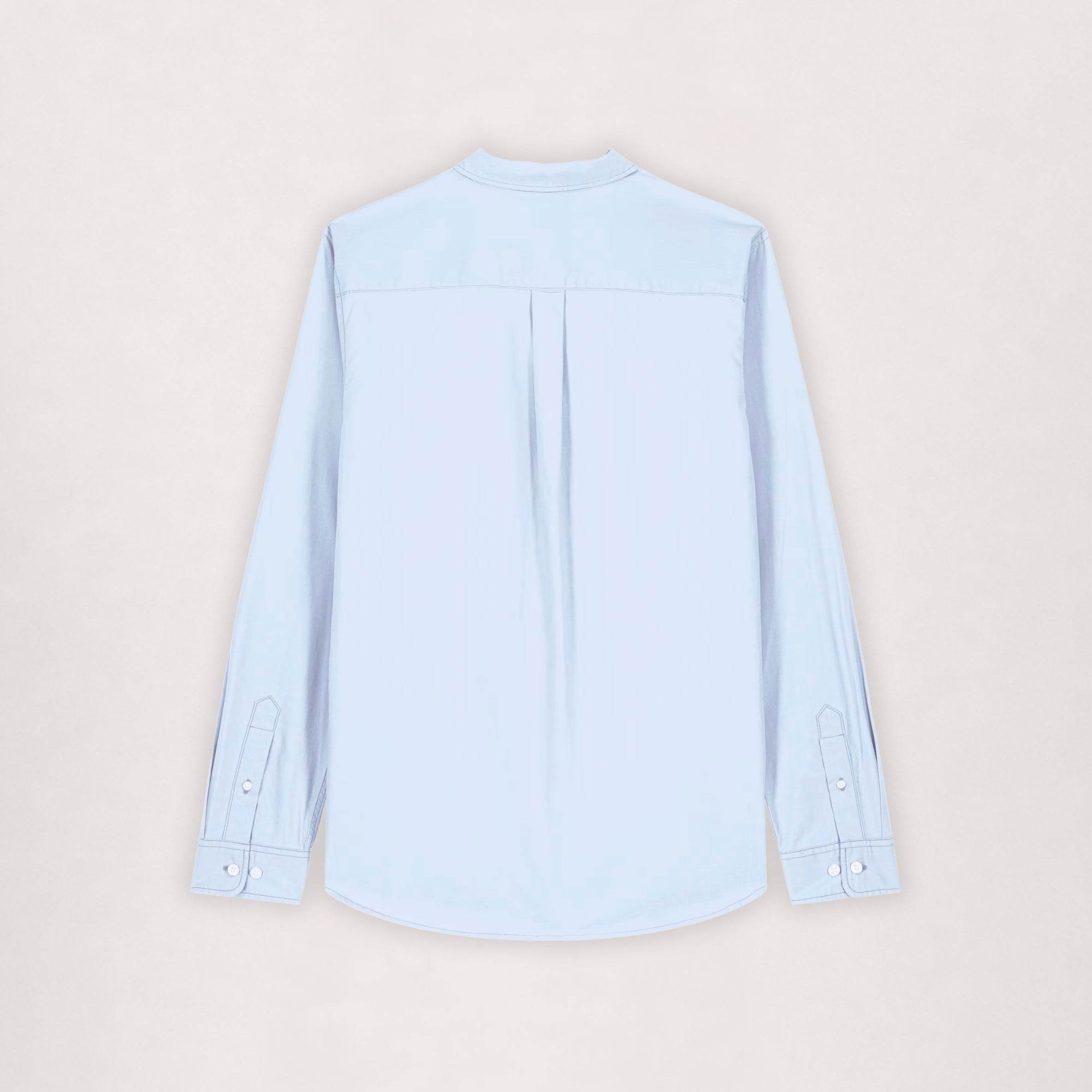
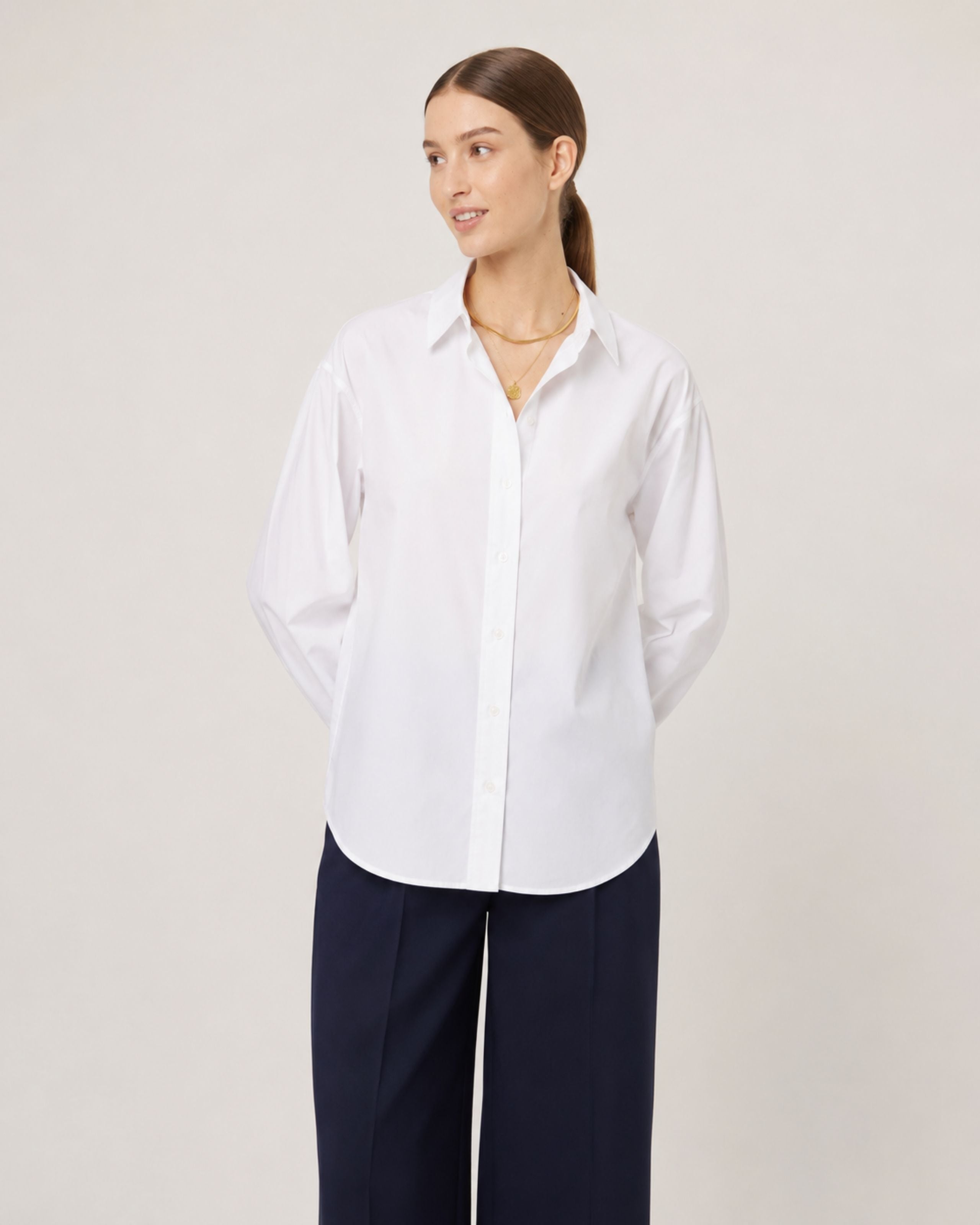
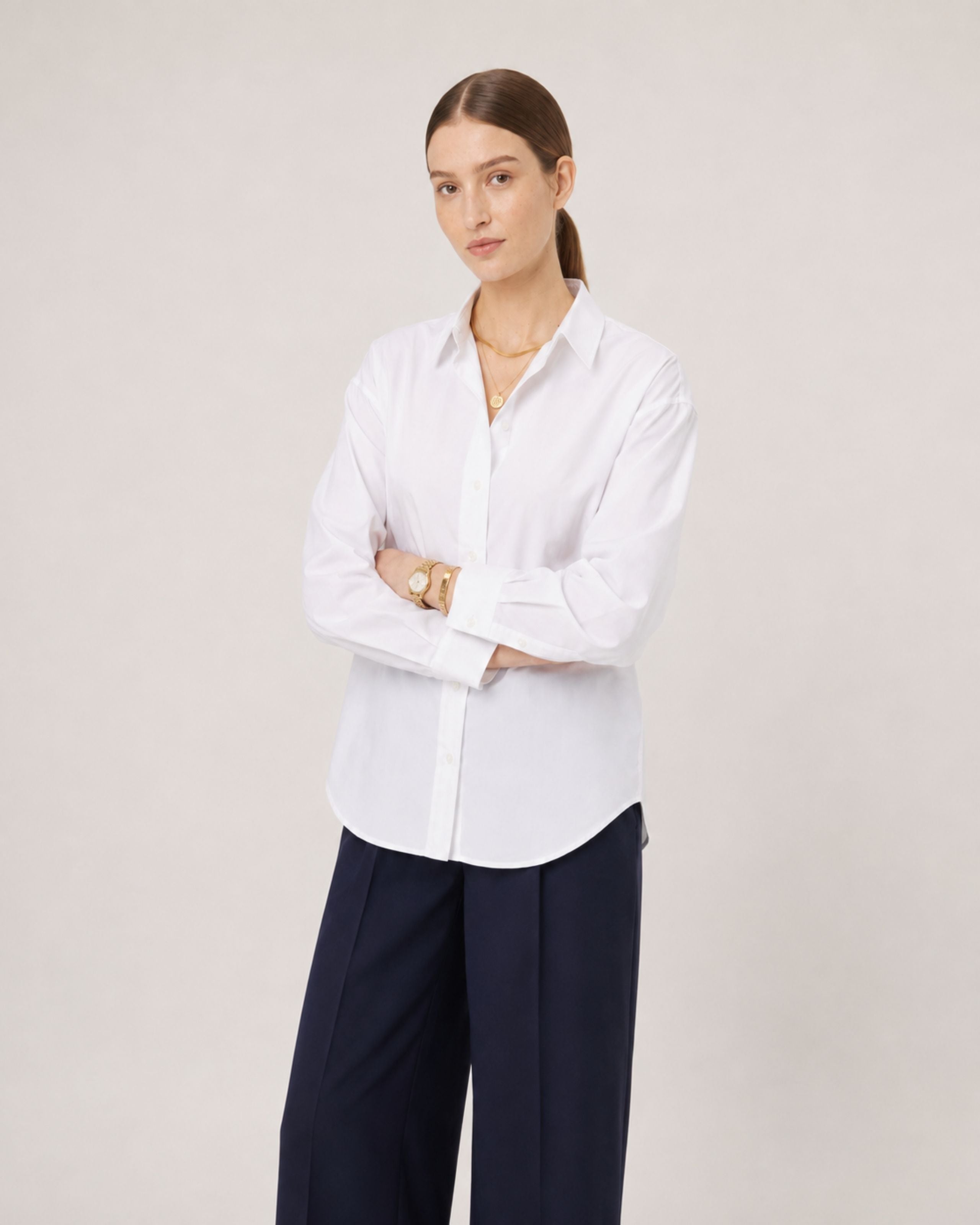
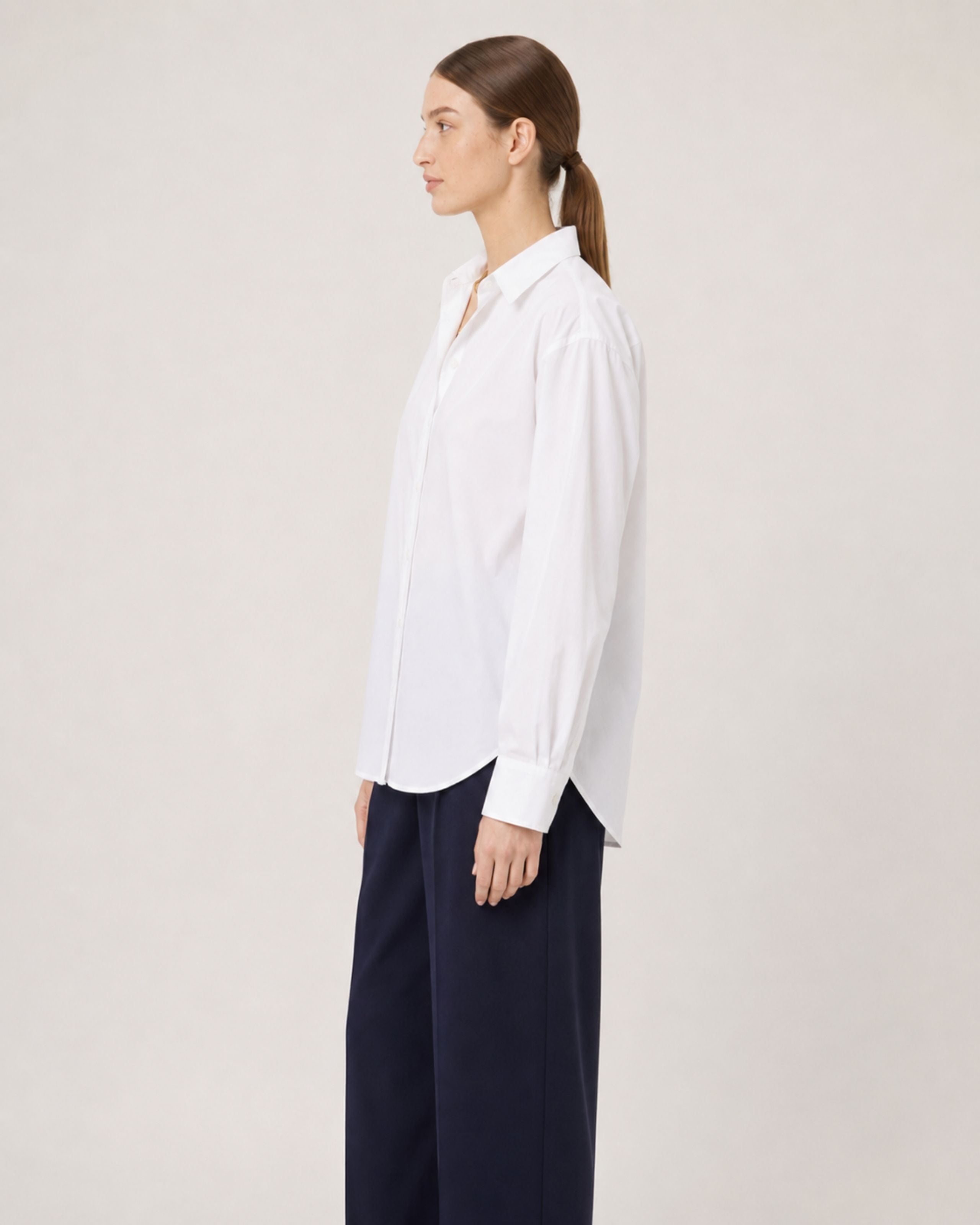
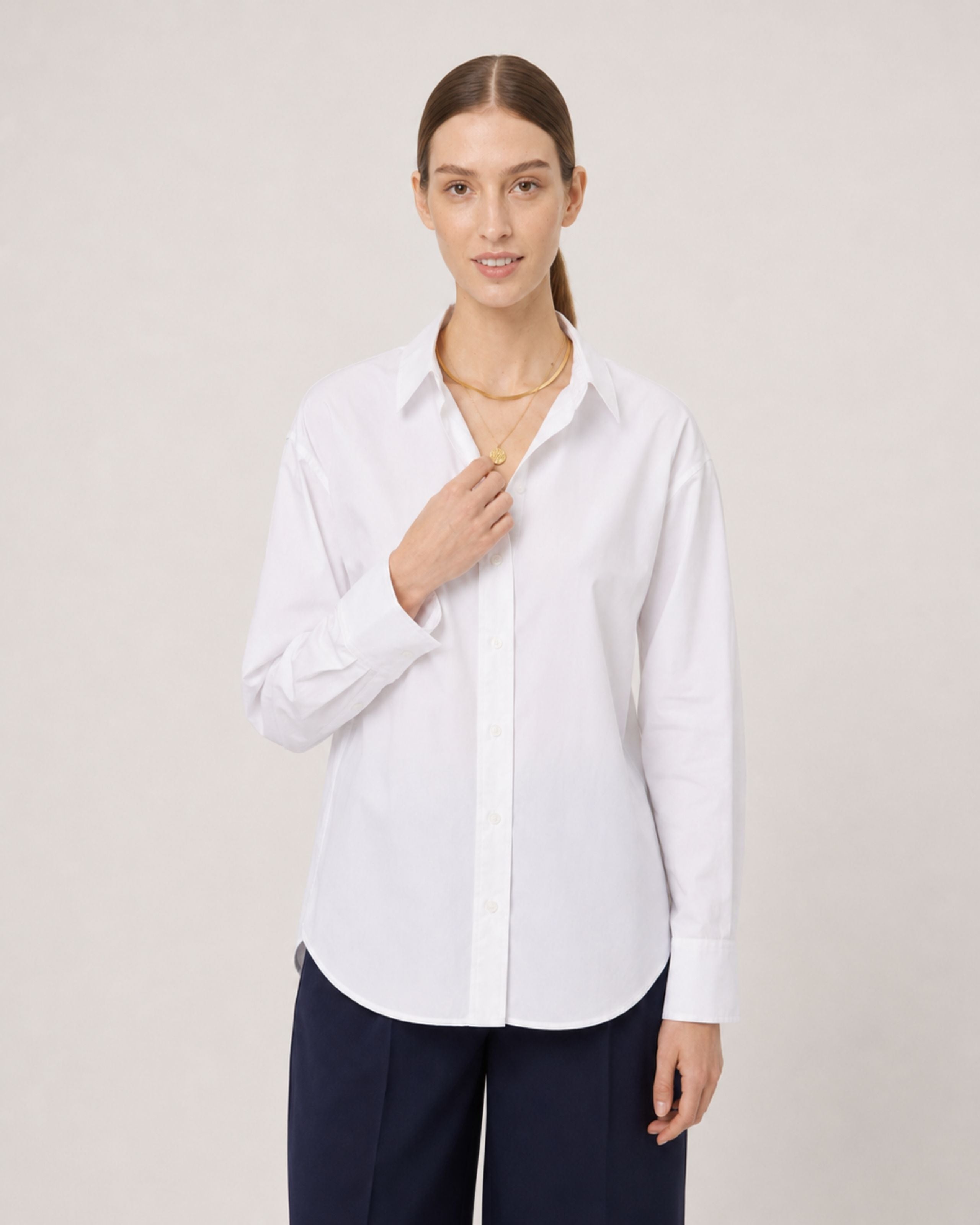
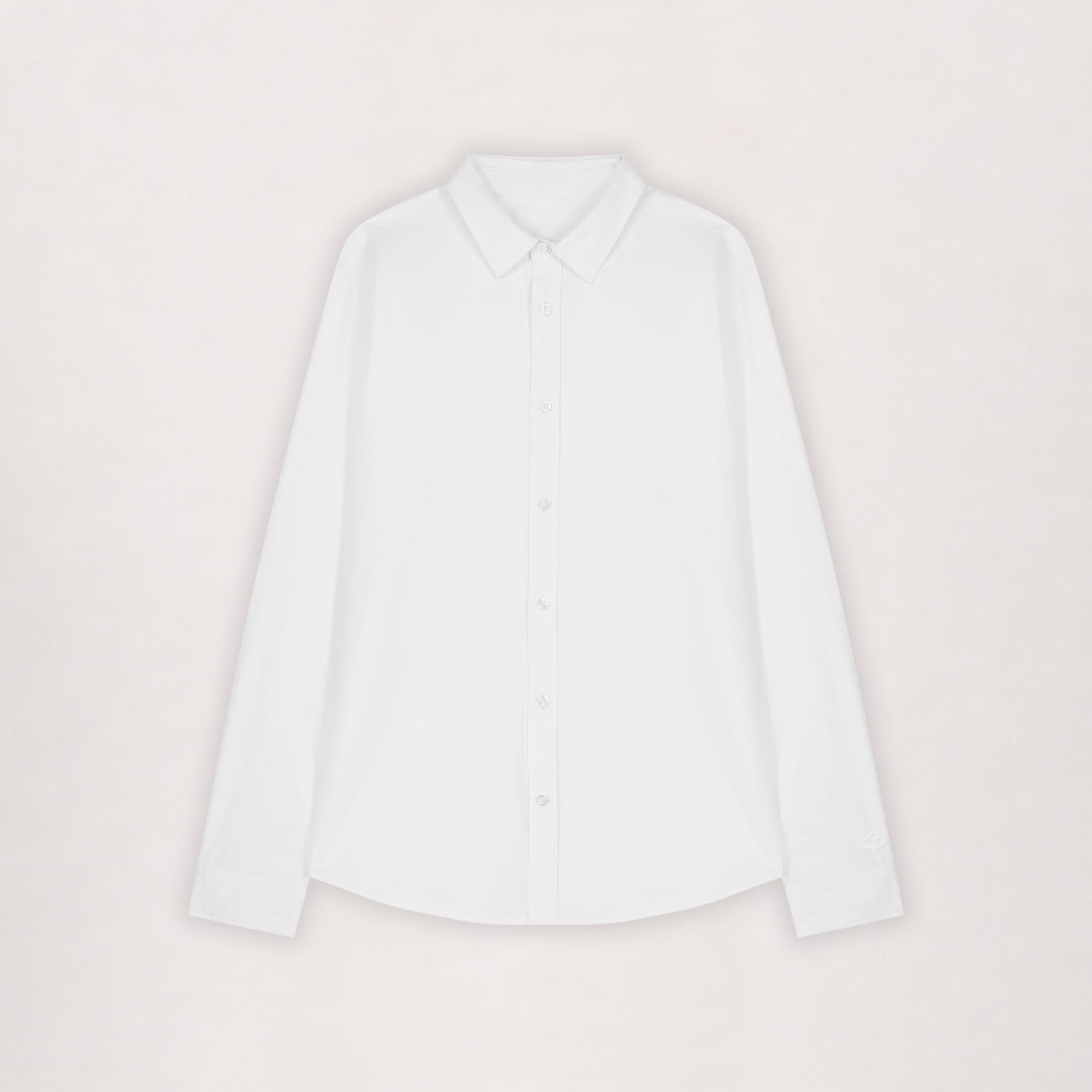
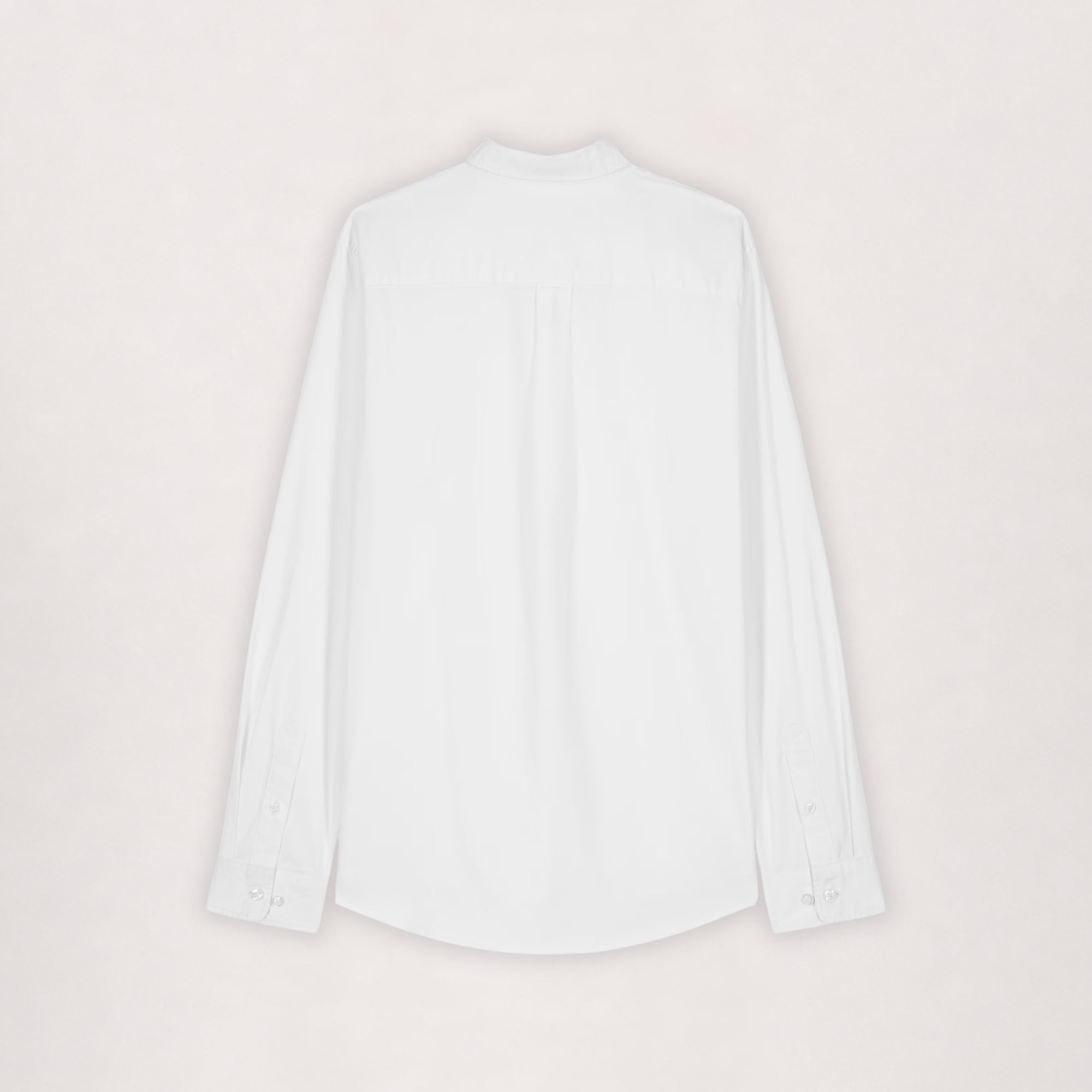
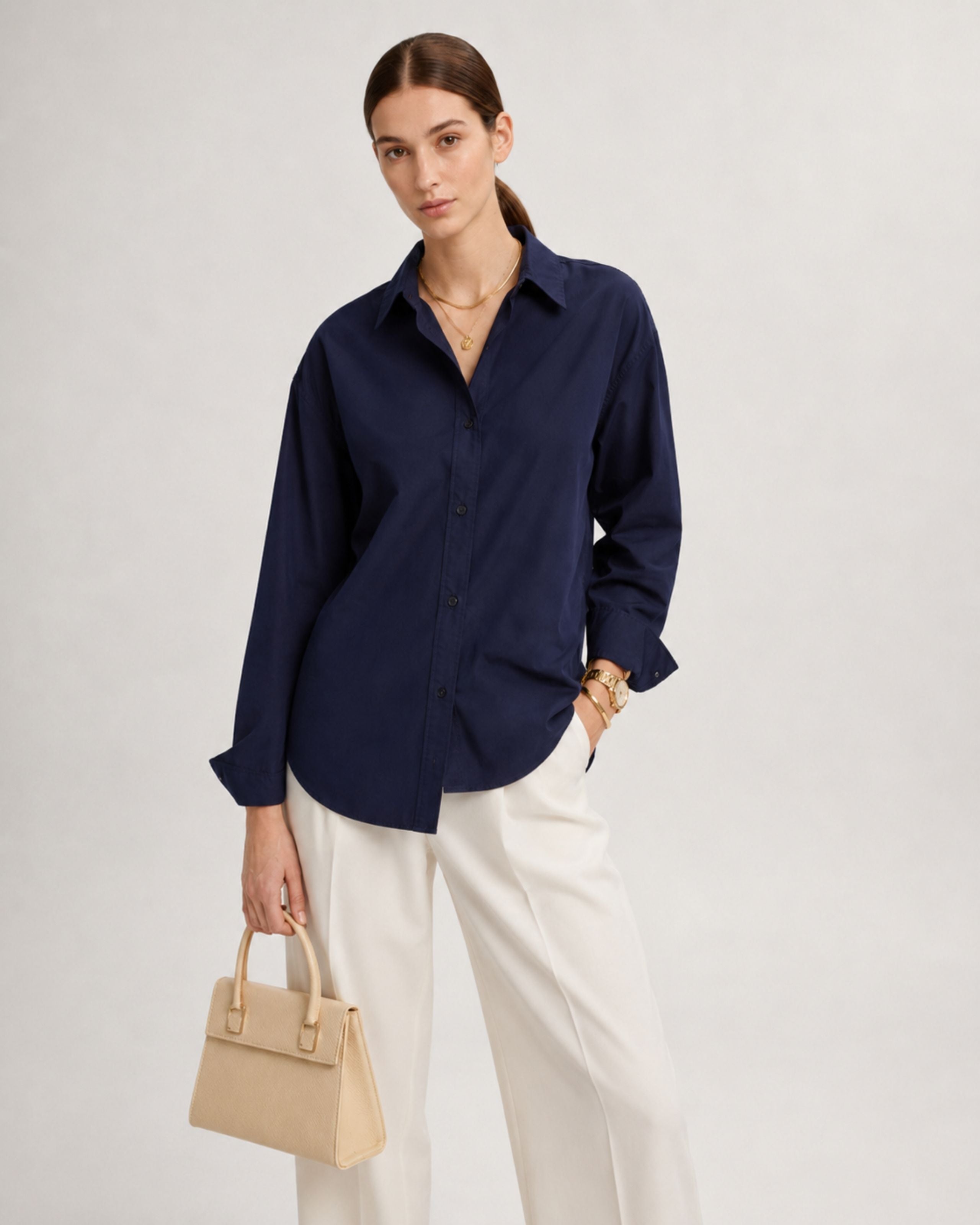
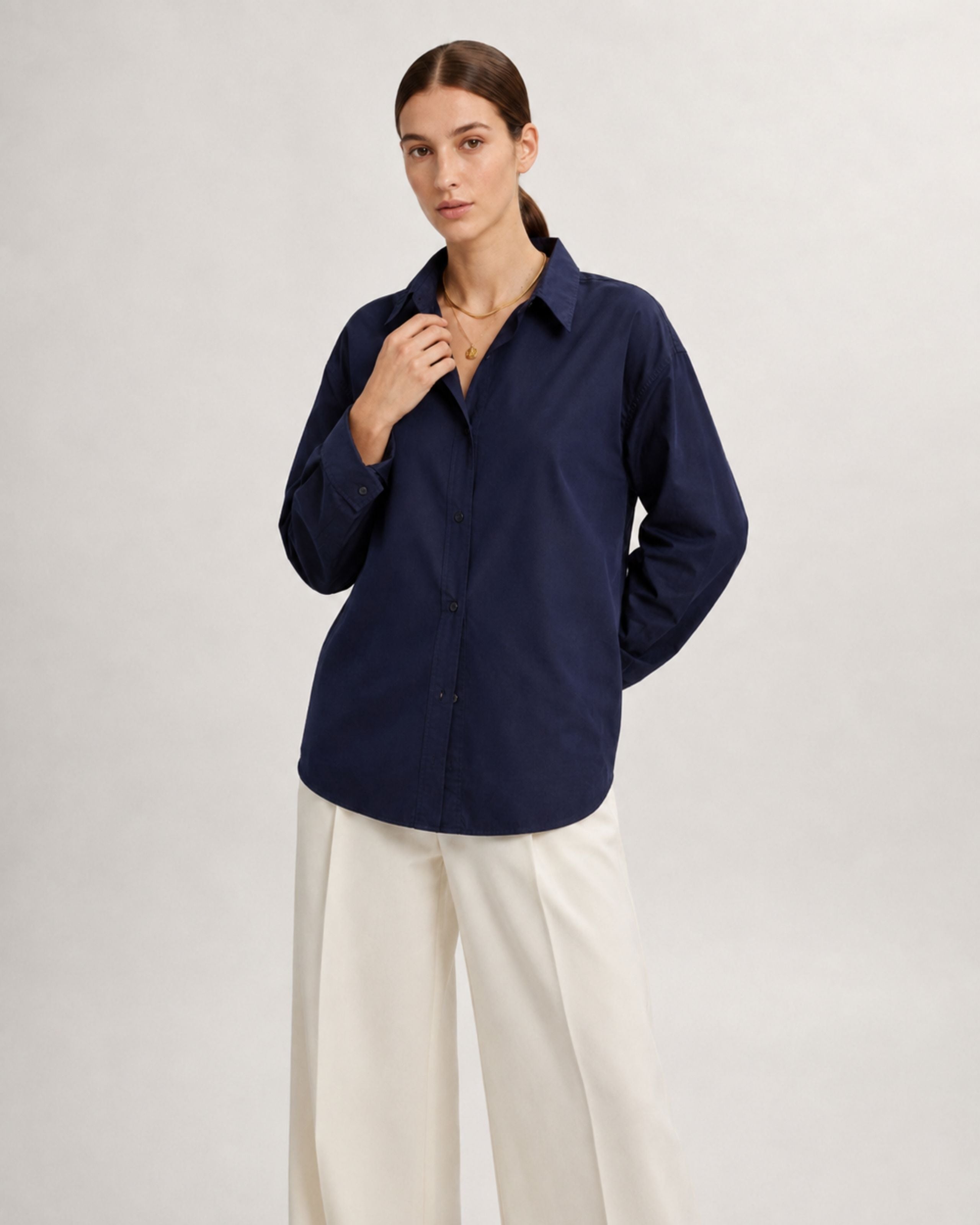
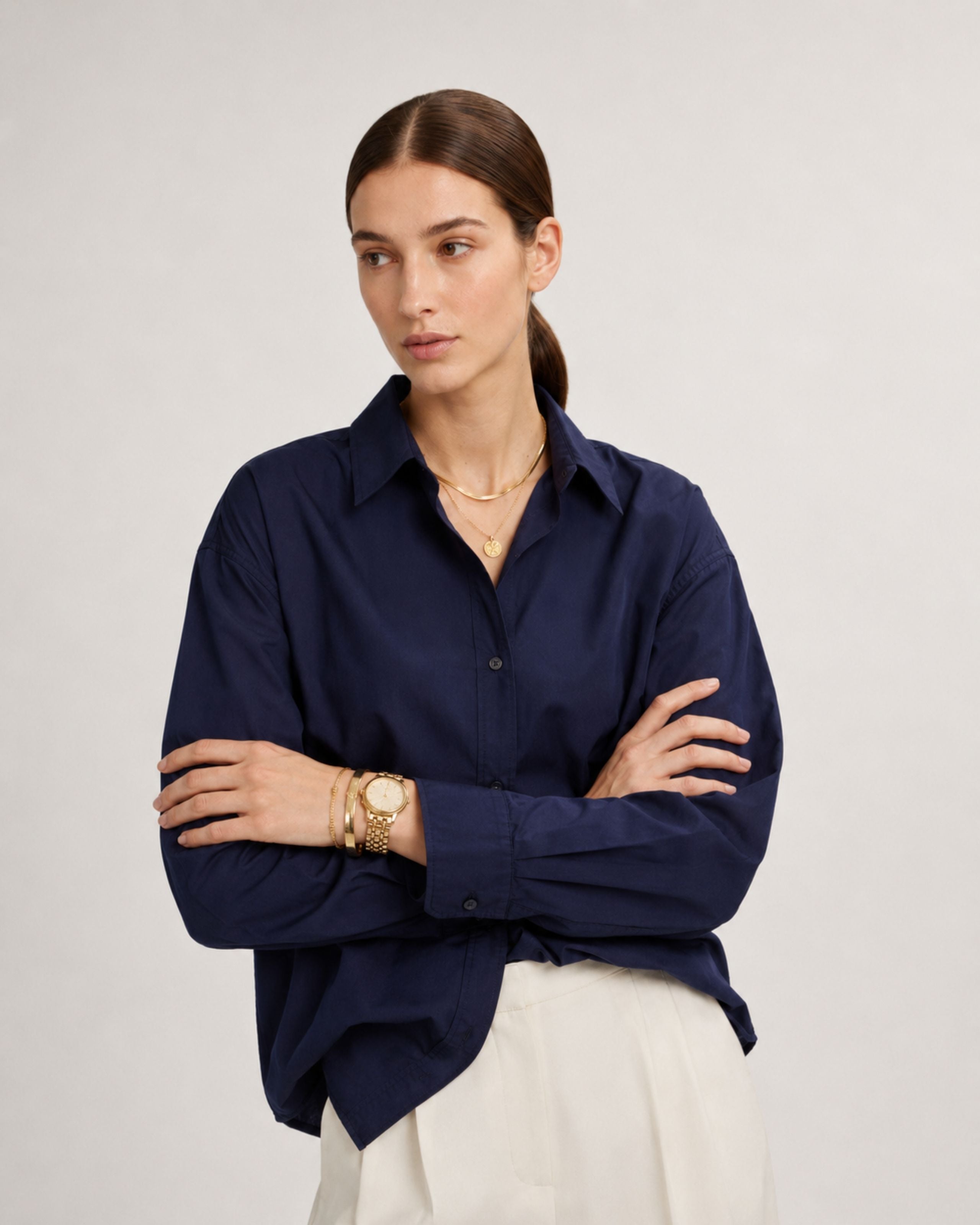
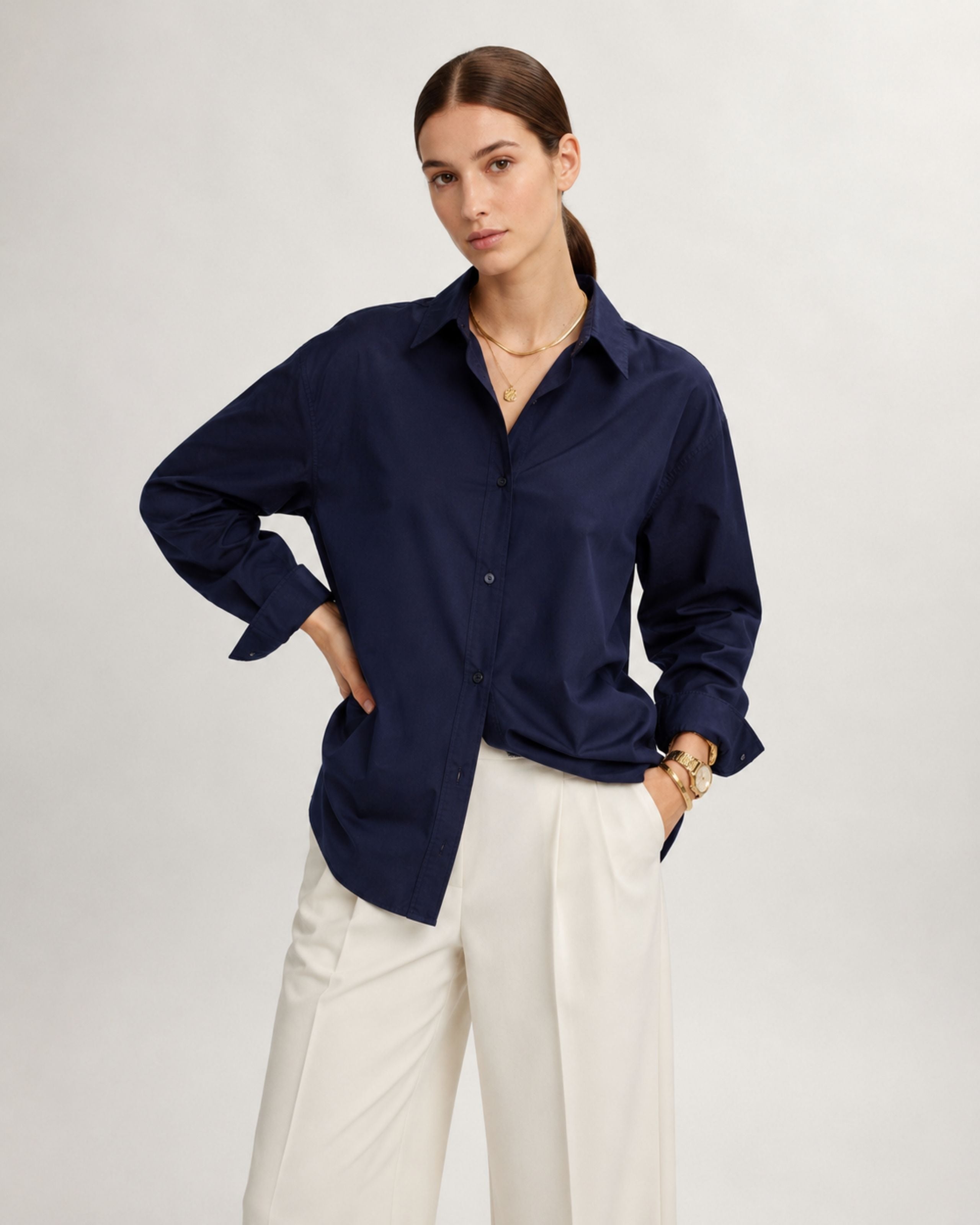
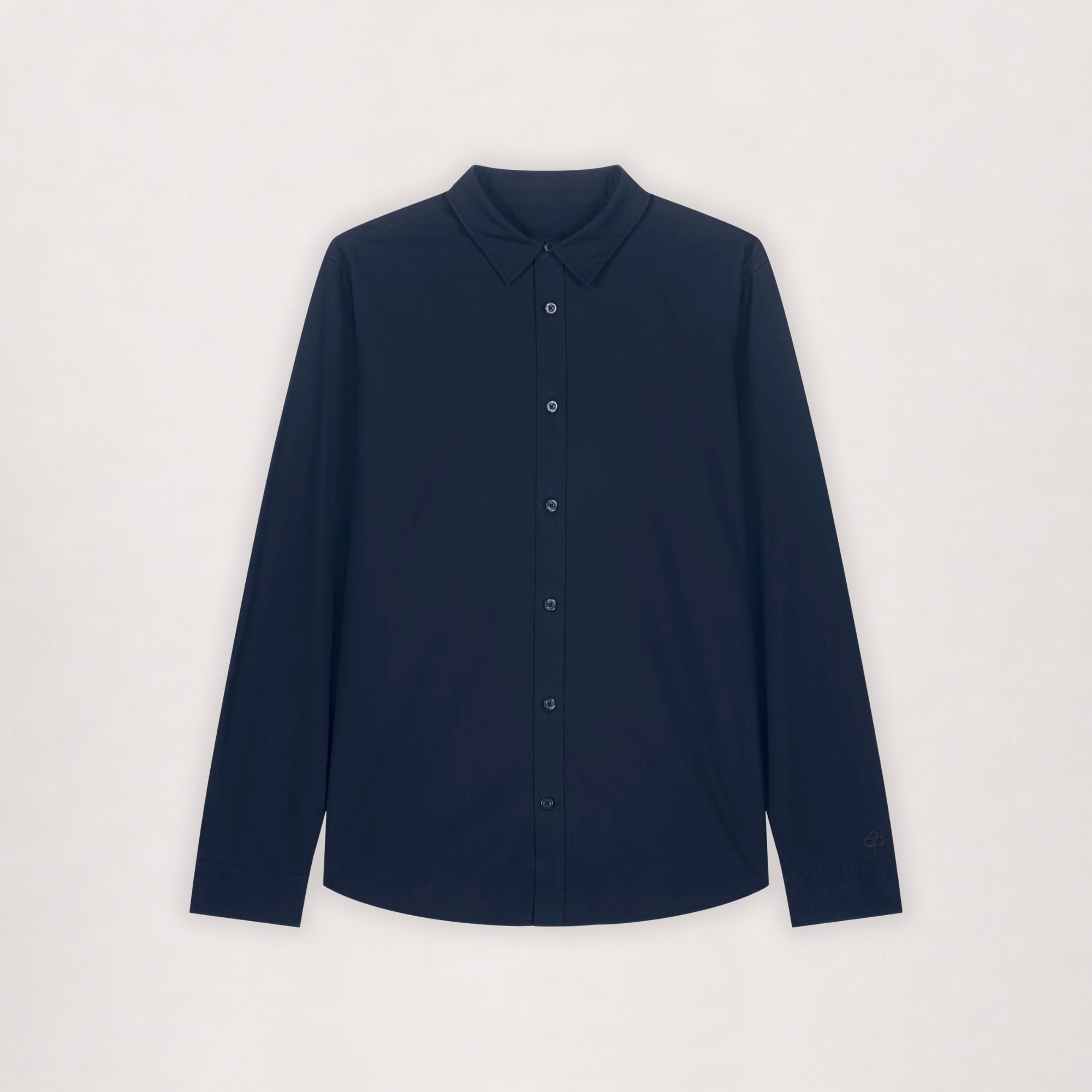
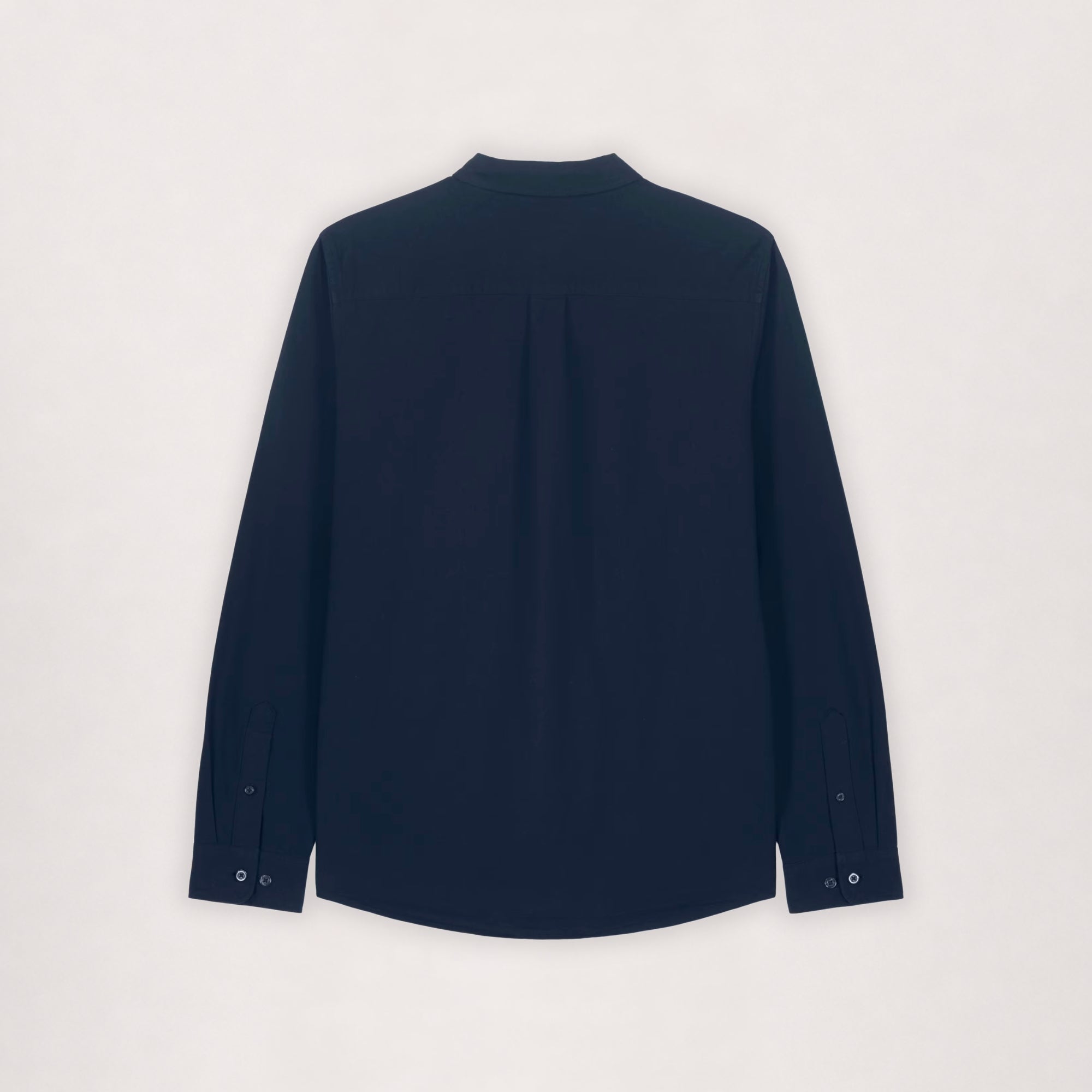
- Linen shirt. This is the connector piece. A well fitting shirt in a neutral colour works for office, casual wear, and layering over dresses. Linen breathes in warm weather, wrinkles develop character, and the shirt gets better with wear. Navy, light blue and off white are easy choices. Wear it alone, over a tank top, or under a knit.
- Linen trousers. Linen trousers are not just summer wear. In mild climates, they can work across much of the year. They pair with the shirt, with knitwear and with tanks. The weight of the fabric makes them more structured than shorts but breathable enough for warm weather.
- Linen dress. A simple linen dress works for work, weekend and layering. Wear it alone in summer, under a shirt for more coverage, or with knitwear in spring and autumn. One dress in off white or navy can cover several occasions without feeling over styled.
- Cotton and linen blend top. This is your layering piece and your warm weather top. A cotton and linen blend is more structured than pure linen and less transparent than thin cotton. Two tops in complementary neutrals give you options without crowding the wardrobe.
- Organic cotton Oxford shirt. This is the structured alternative to linen. Where linen is soft and flexible, Oxford cotton is crisp and stable. It layers well, looks polished under knitwear, and works in slightly more formal contexts than linen.
- Linen shorts. Shorts extend your summer options. Linen shorts pair with tanks, shirts, and knitwear on cool evenings. Well cut linen shorts can feel considered rather than casual.
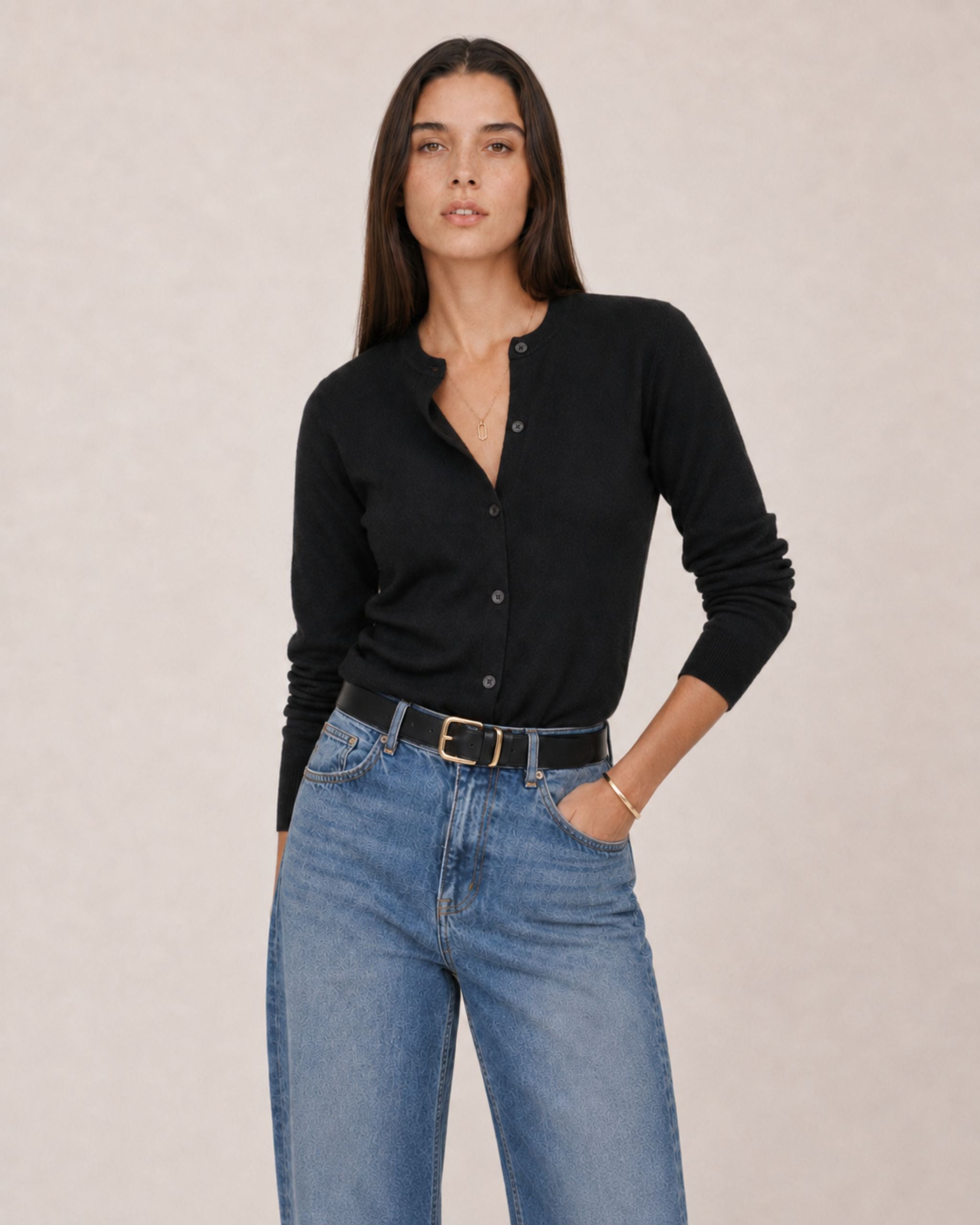
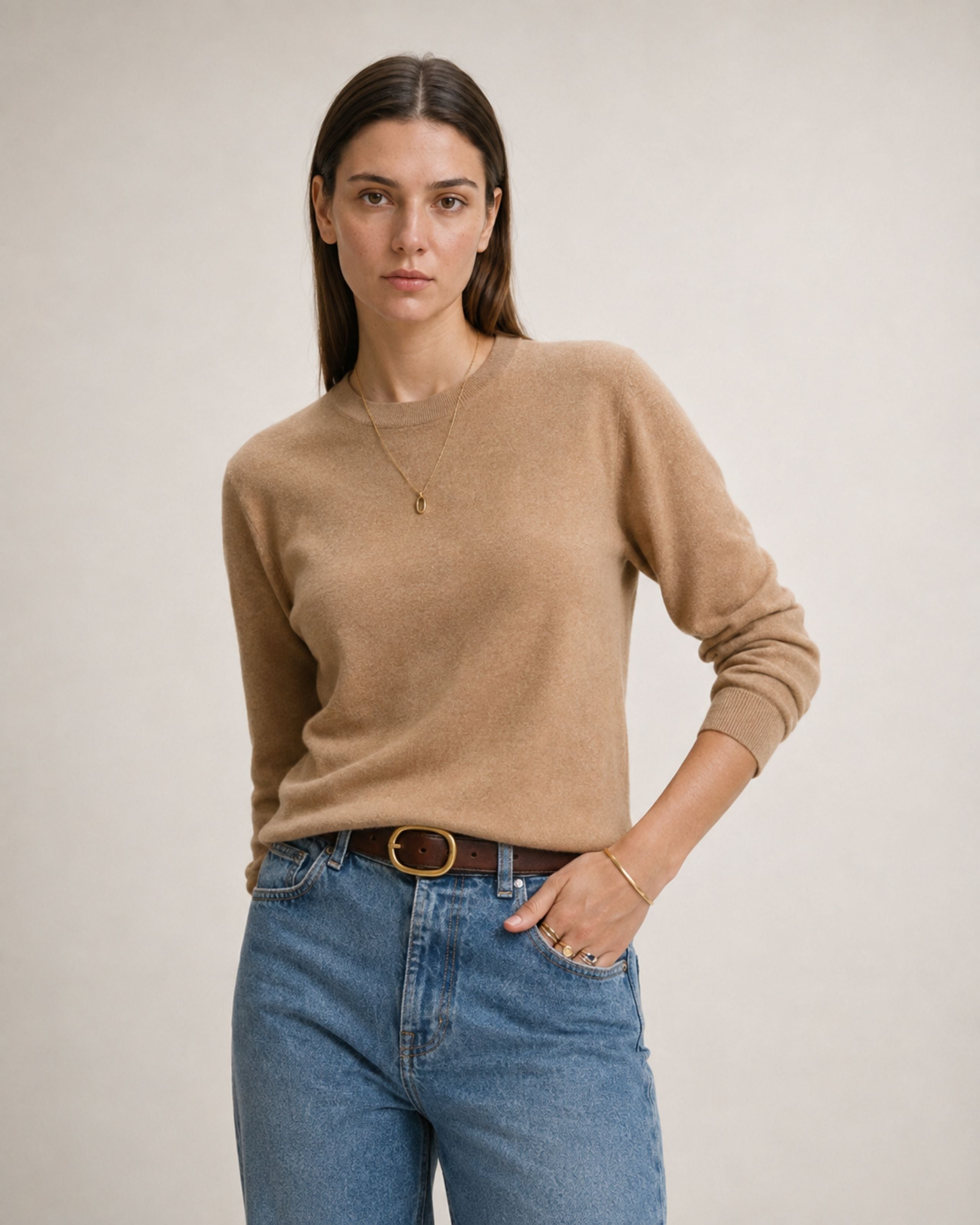
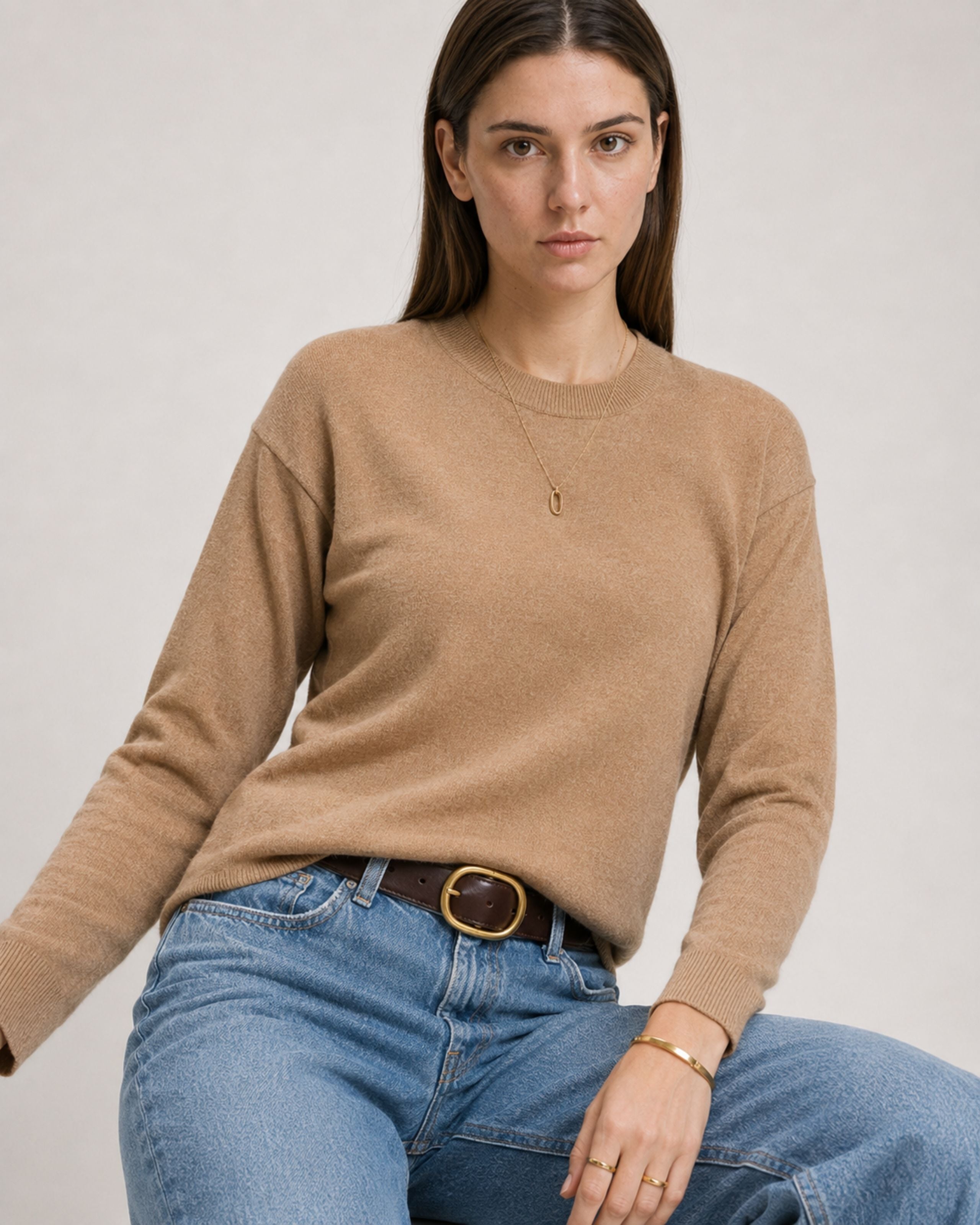
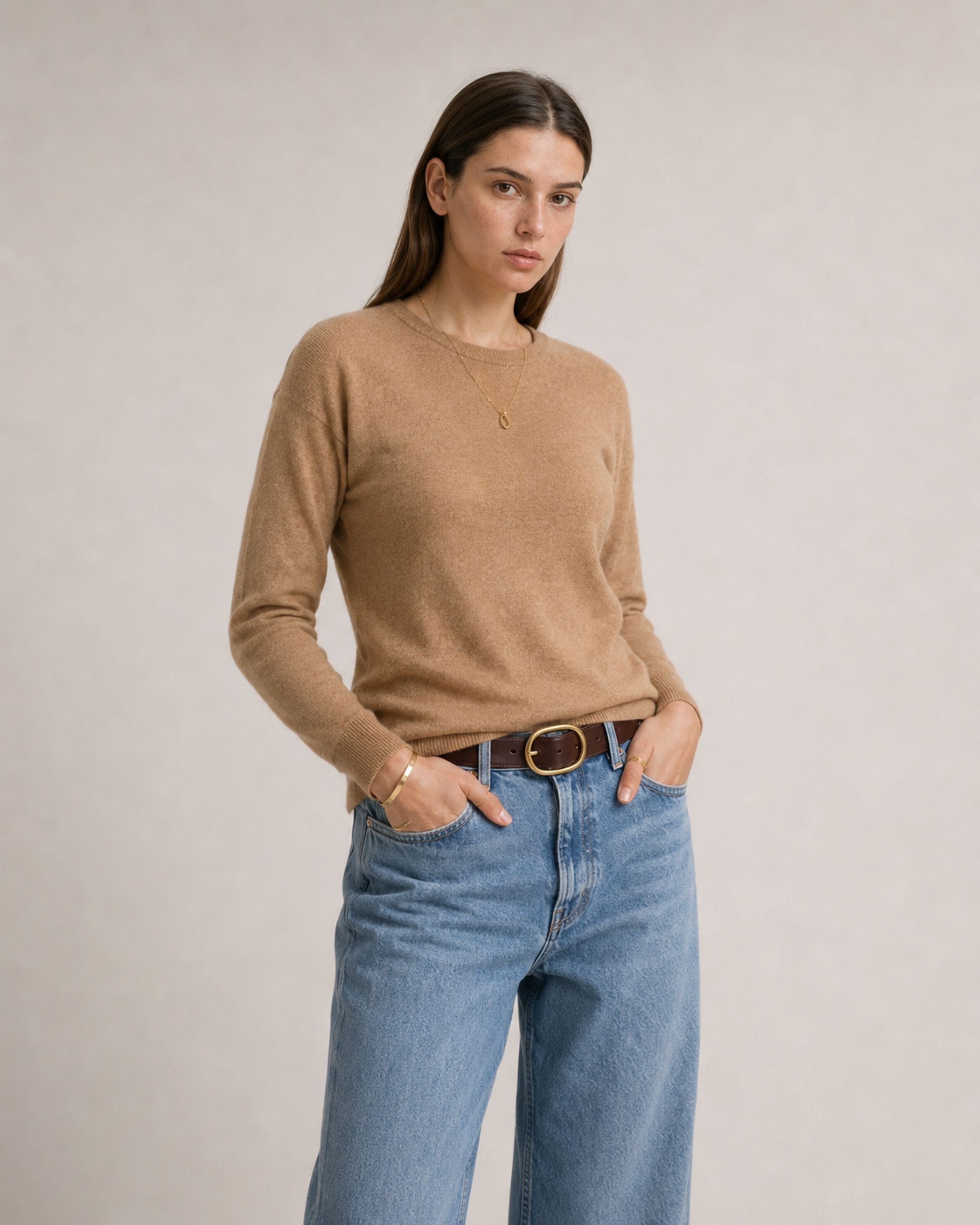
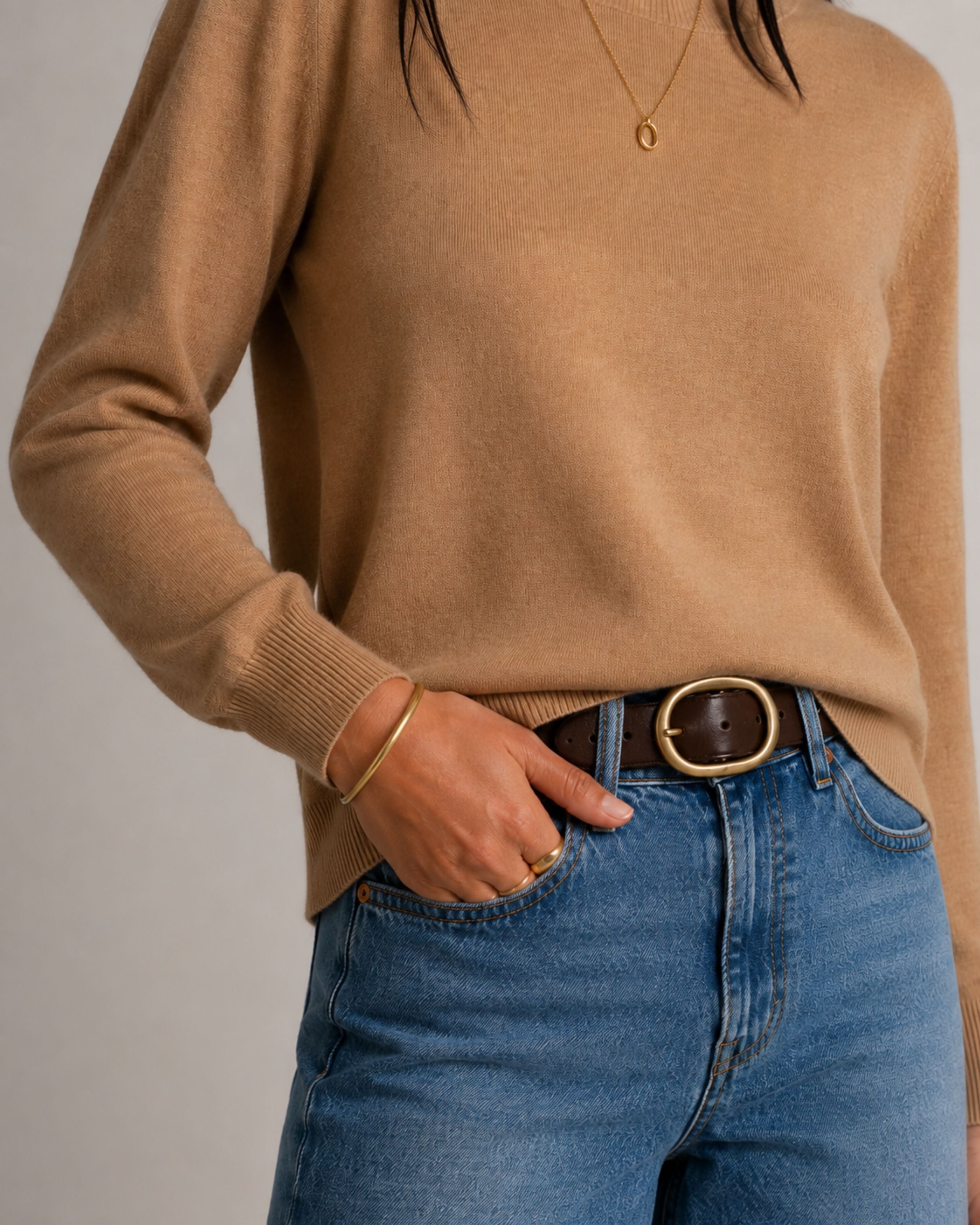
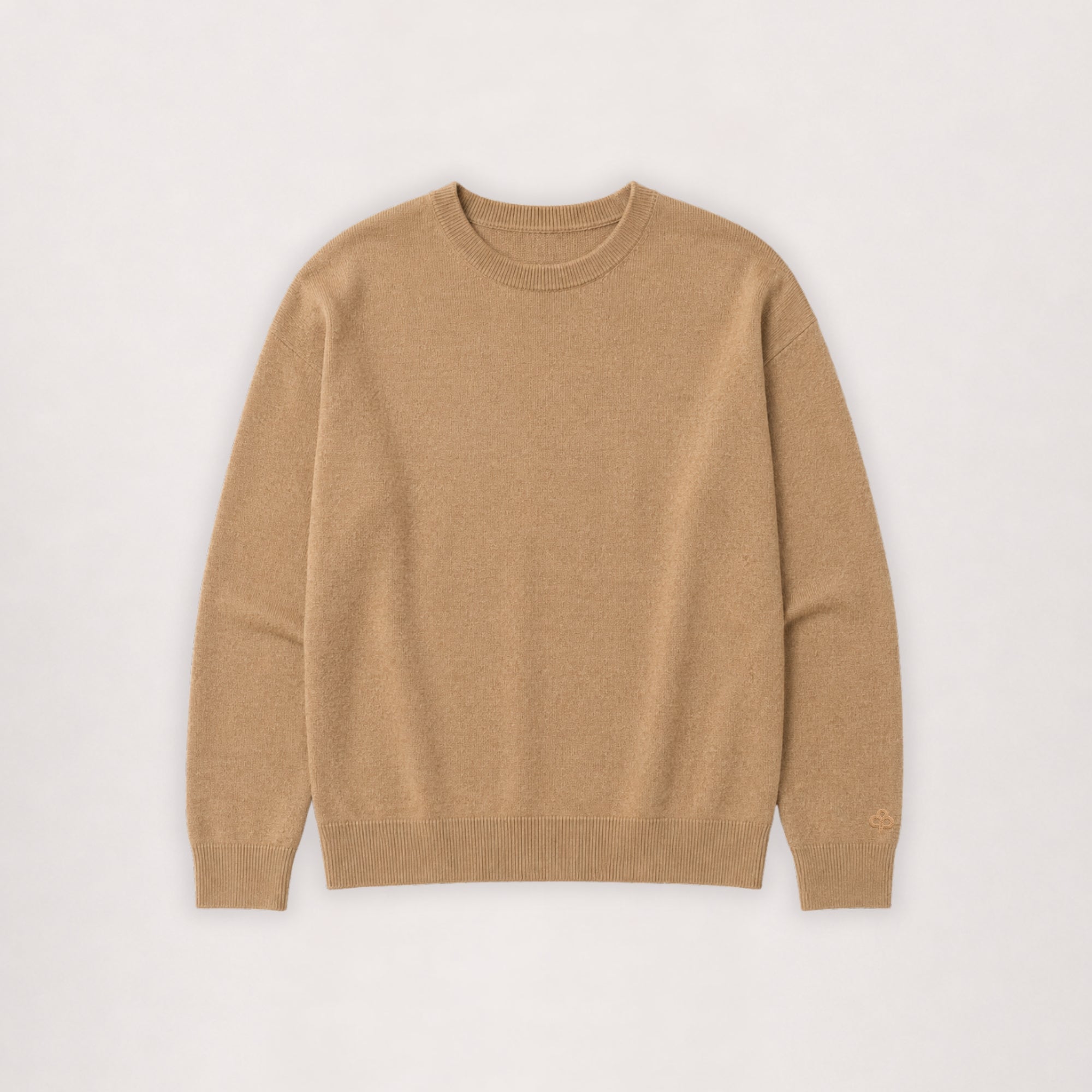
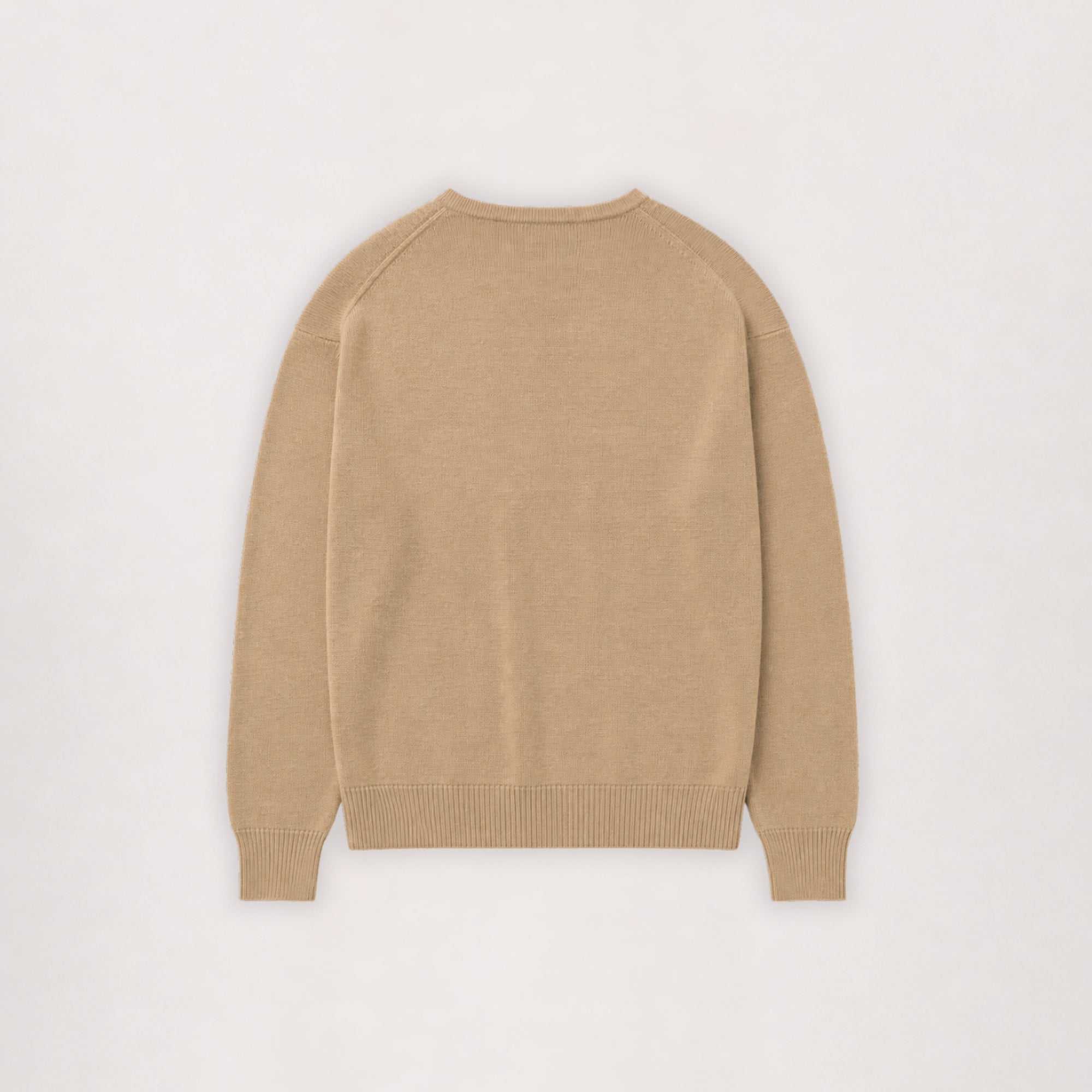
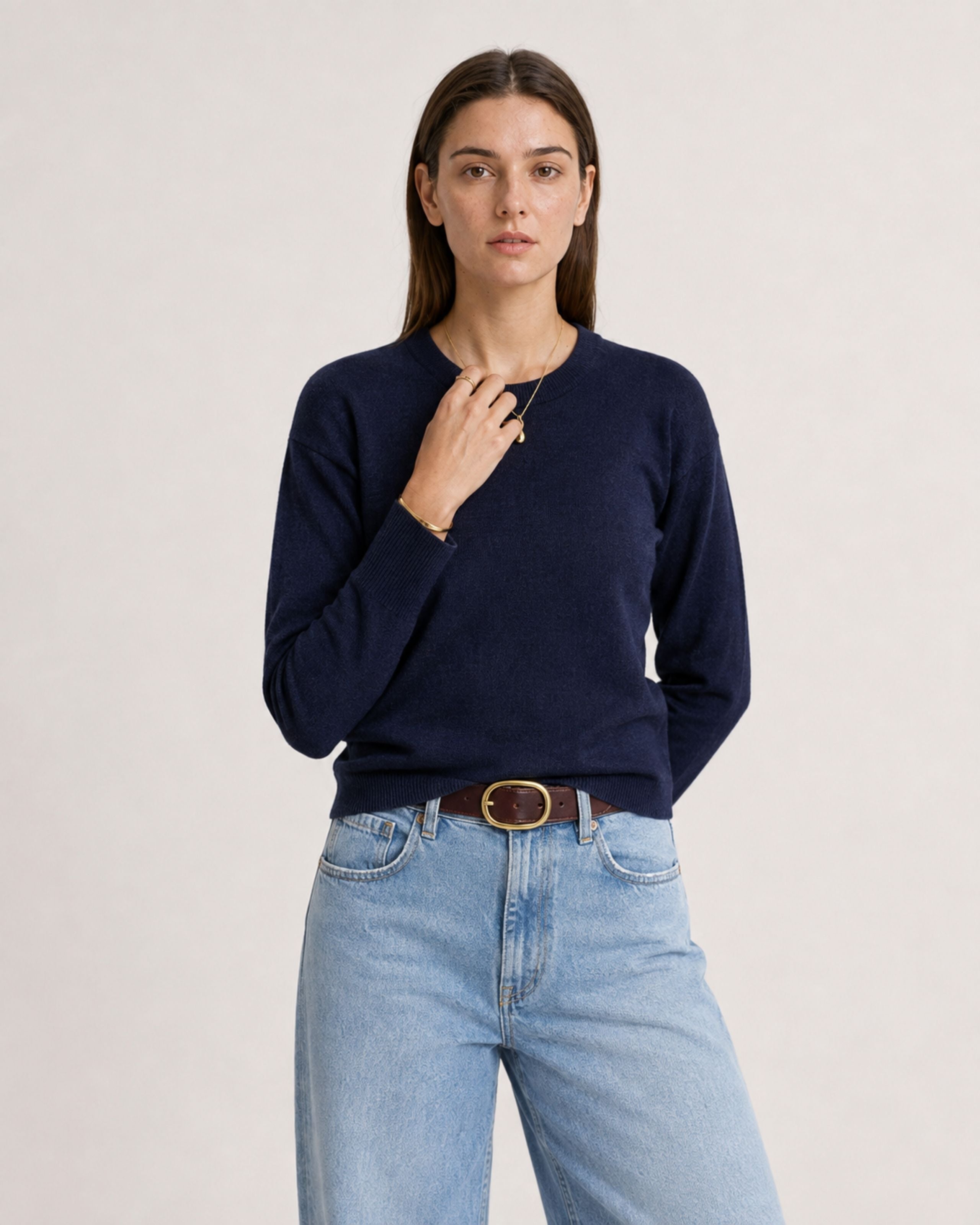
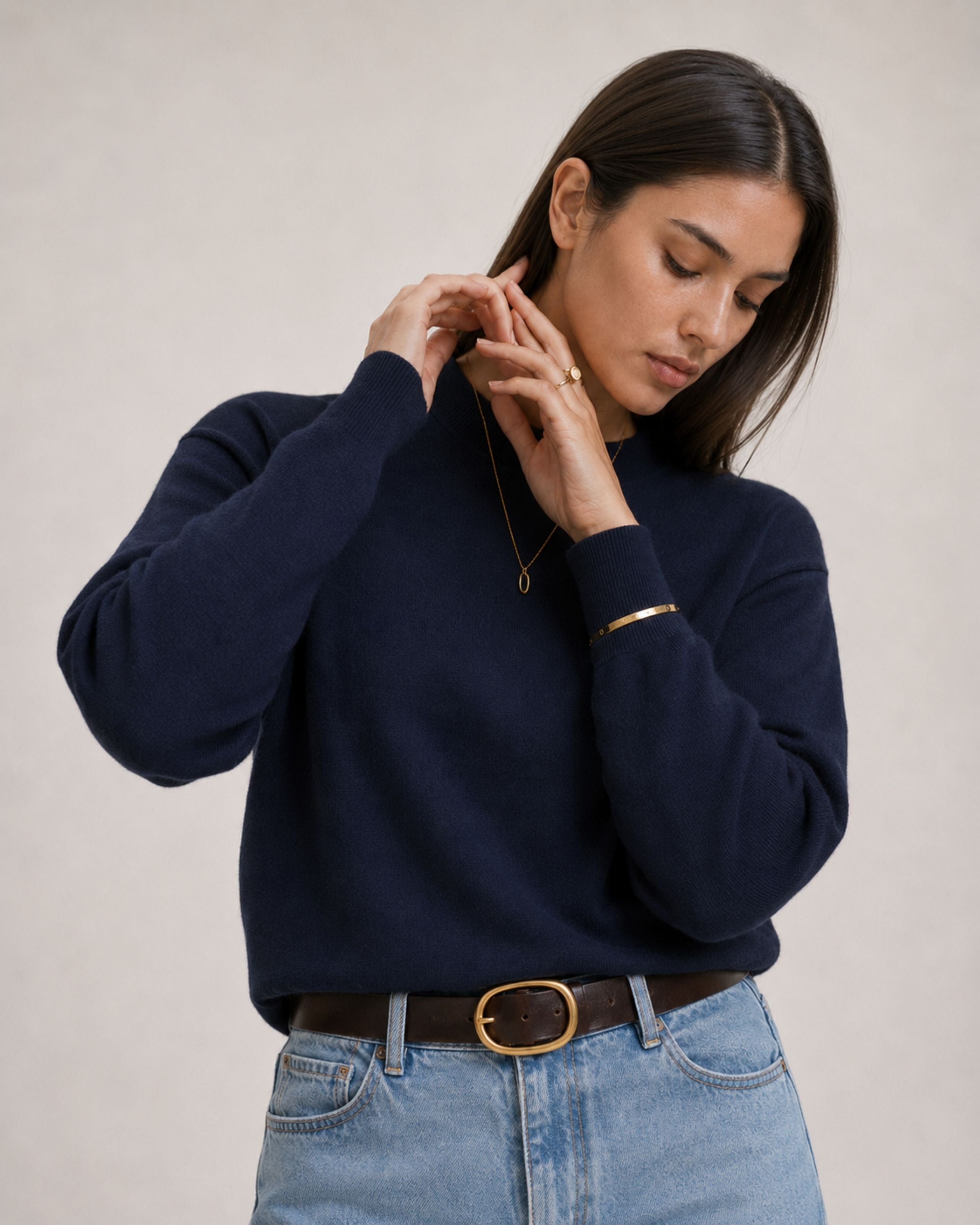
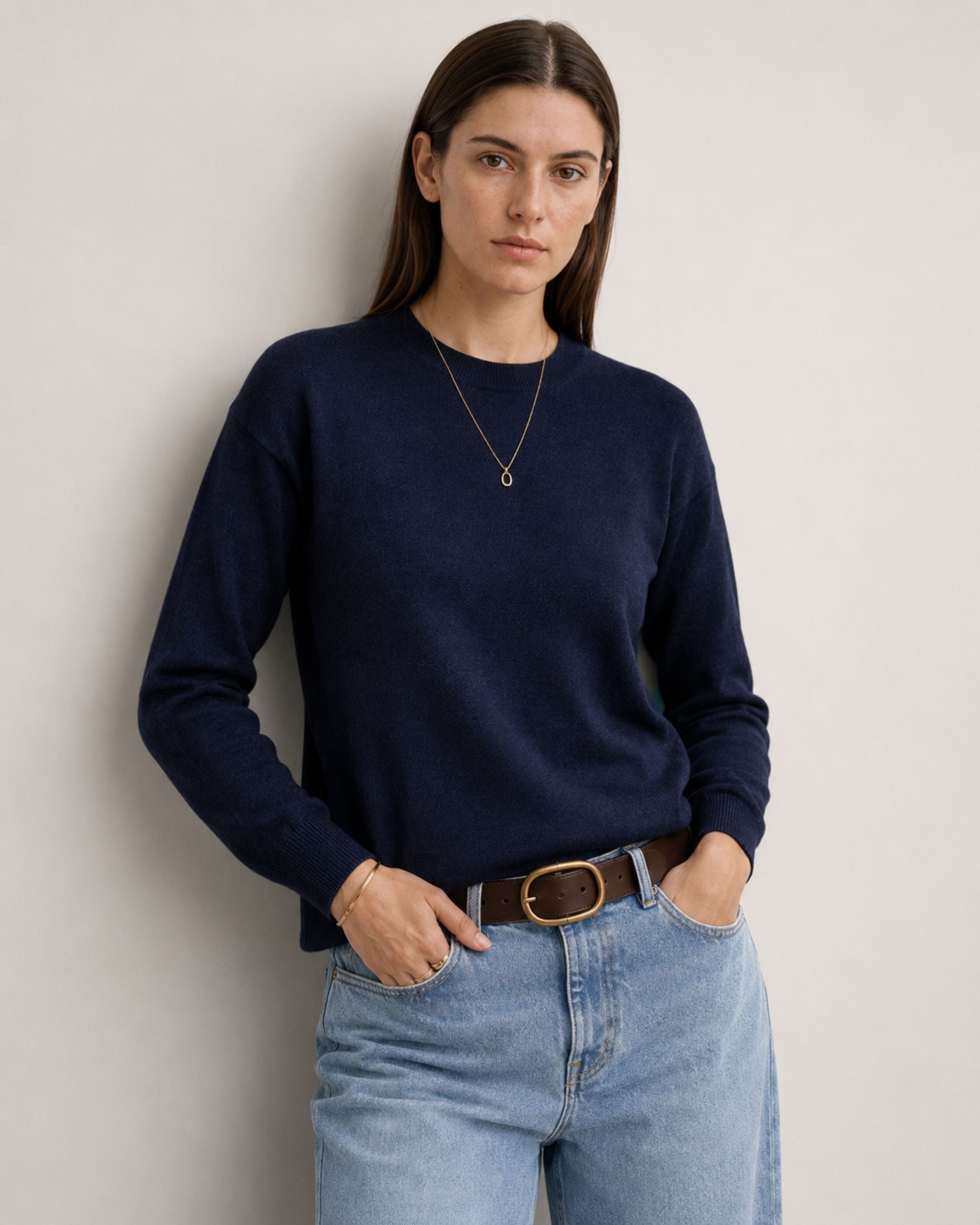
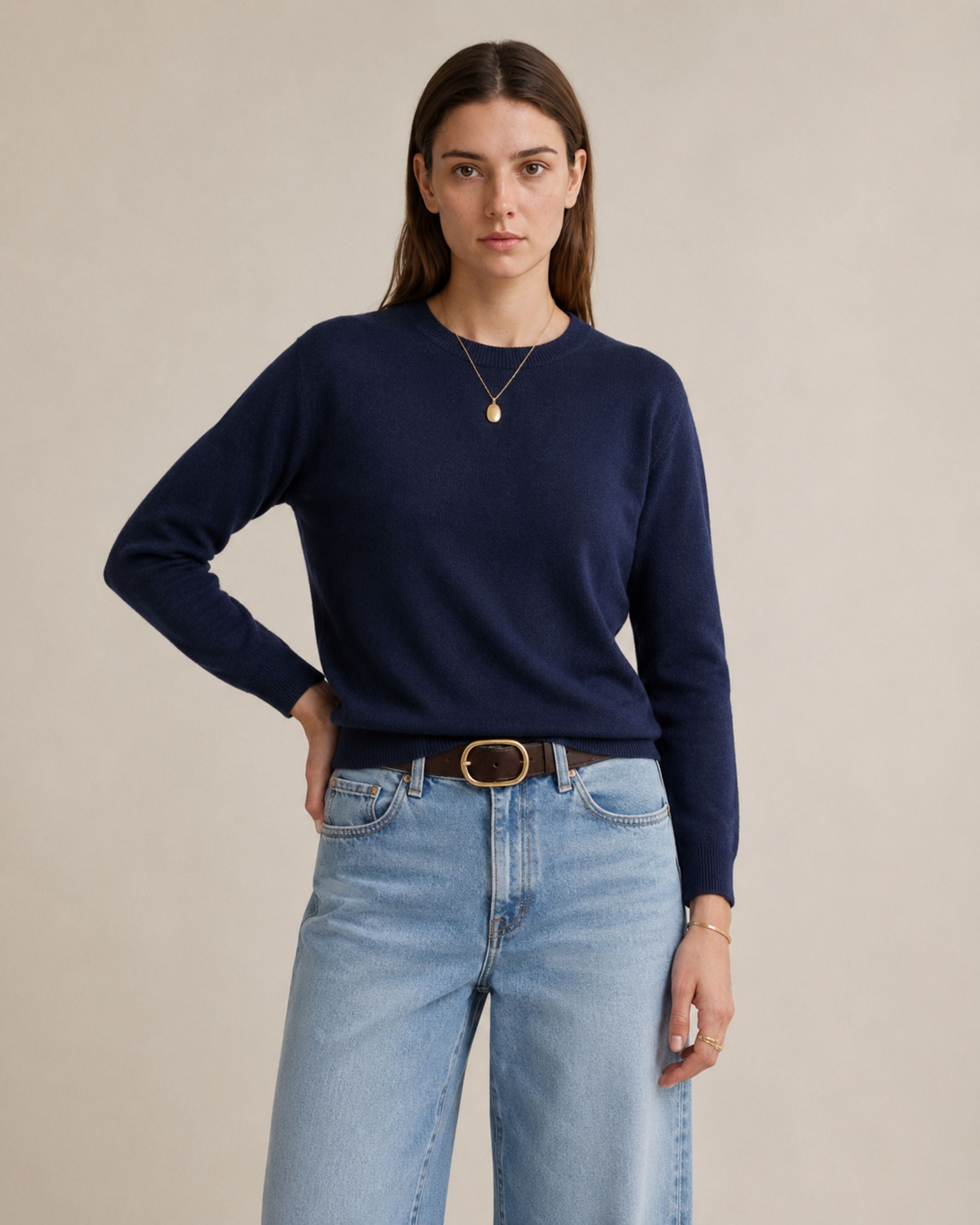
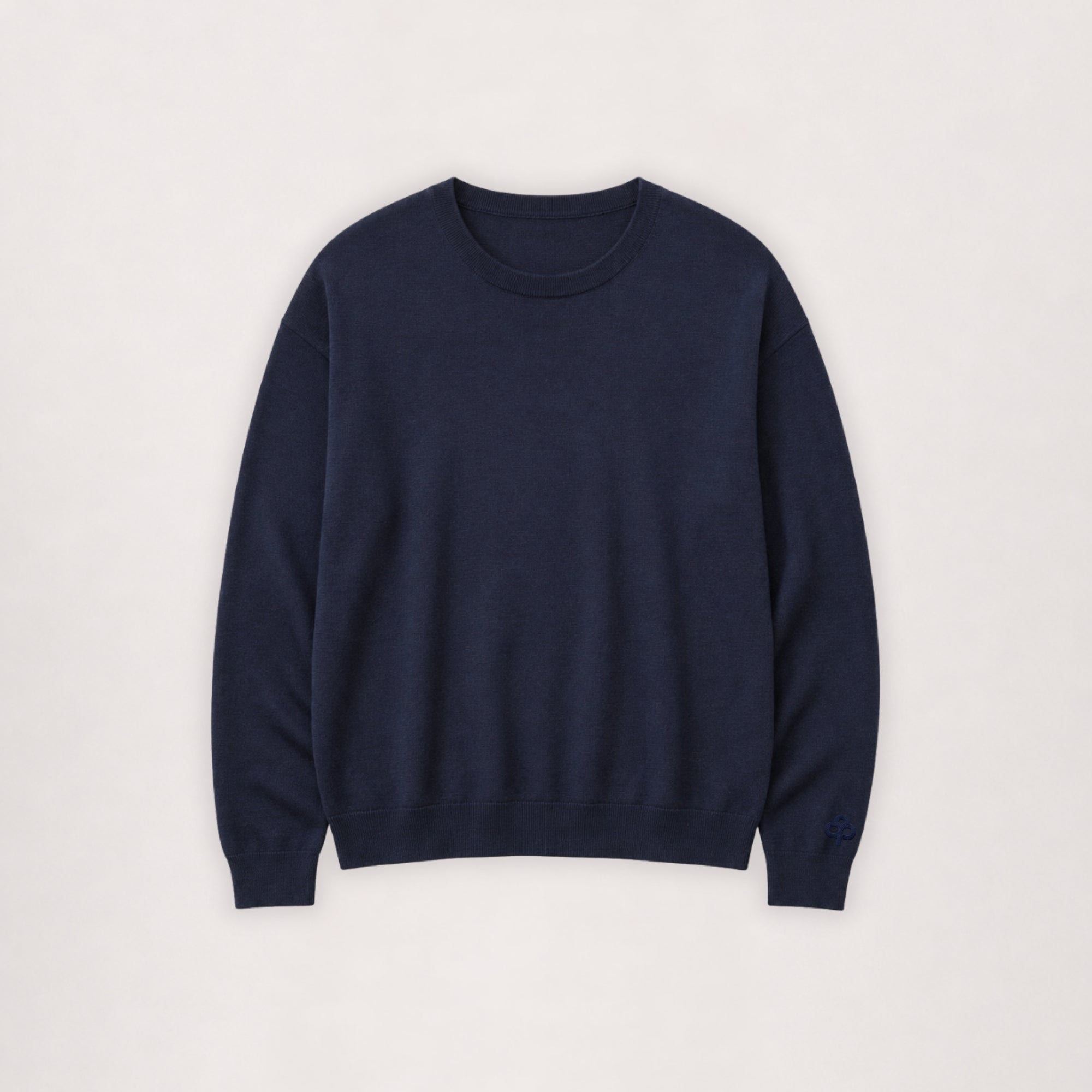
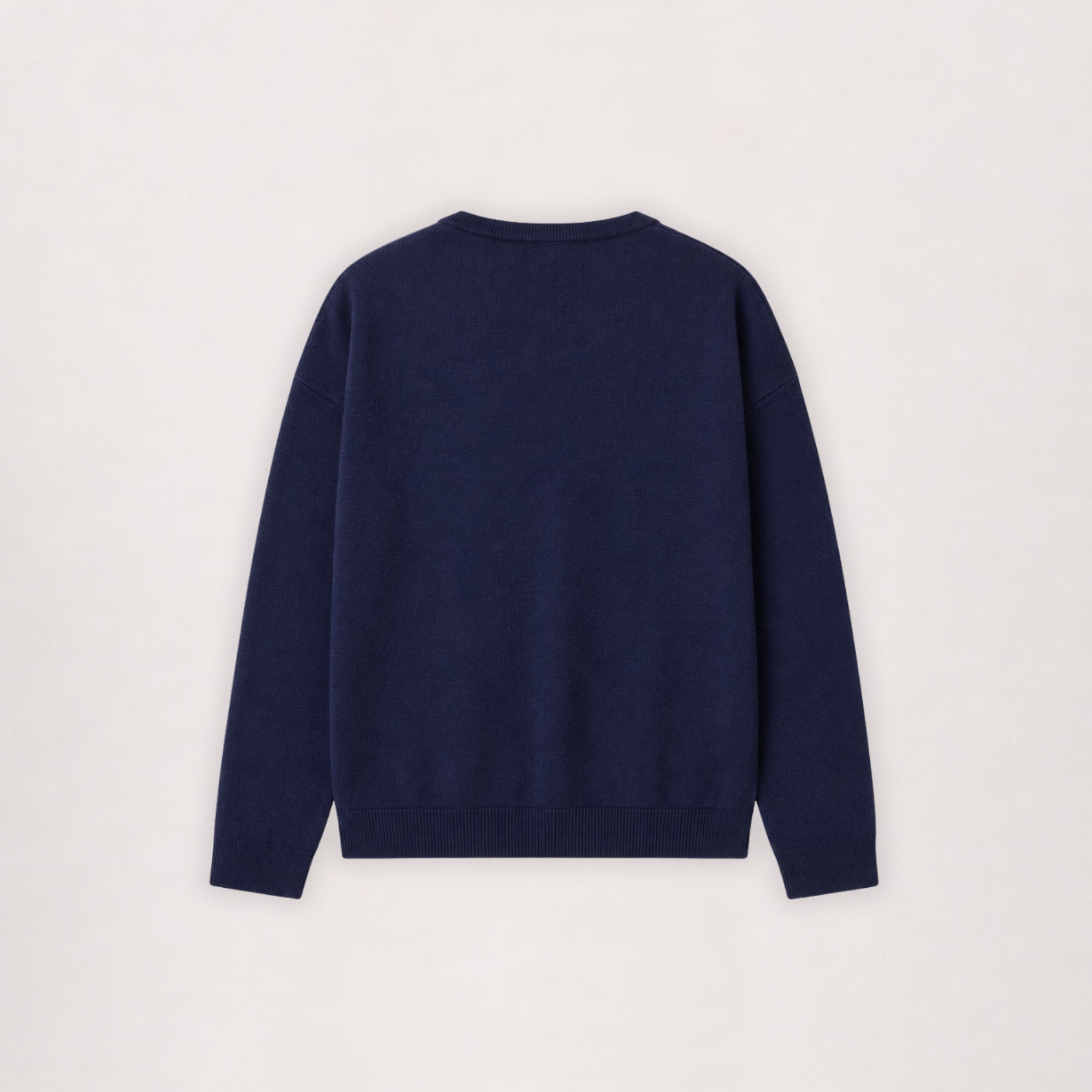
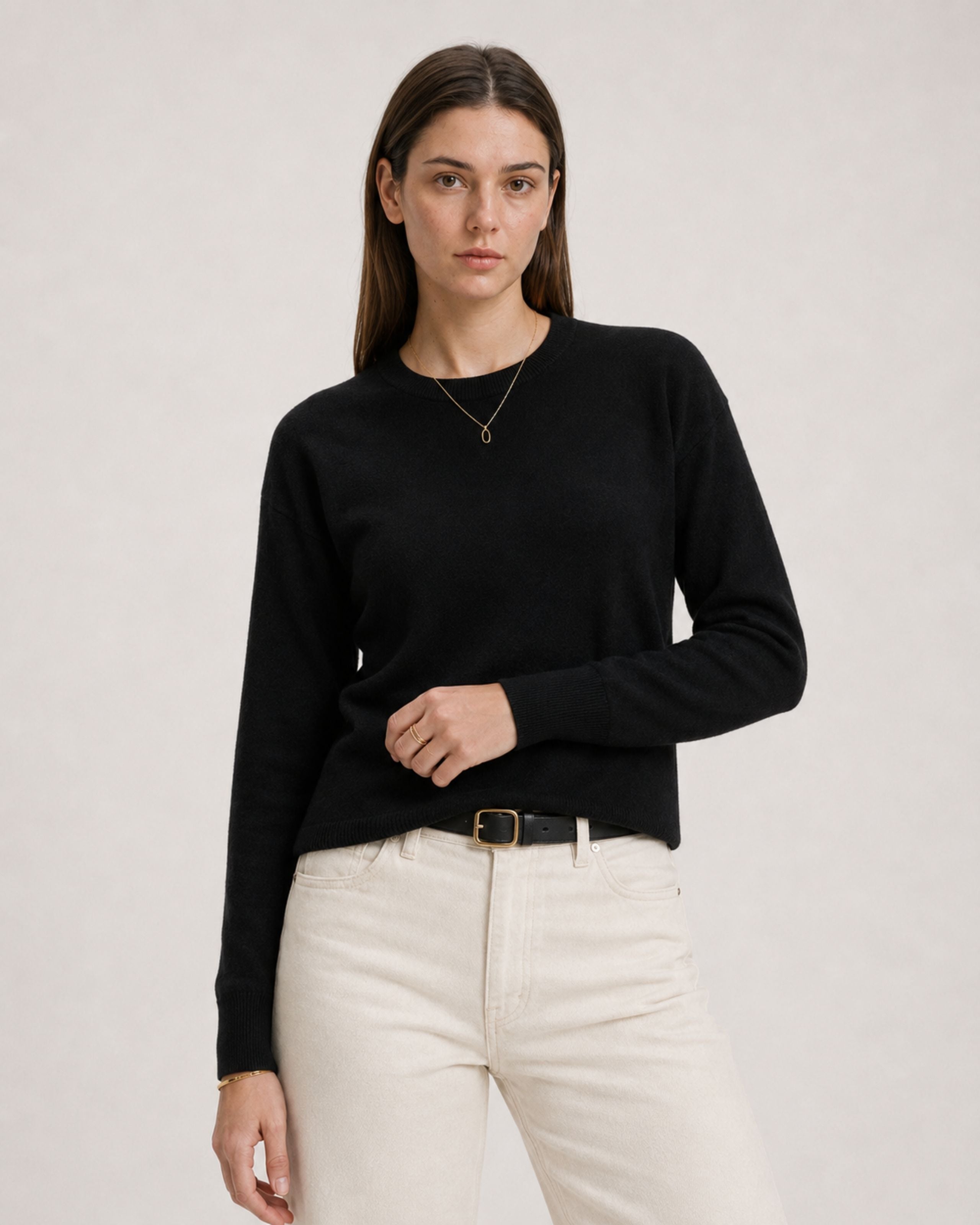
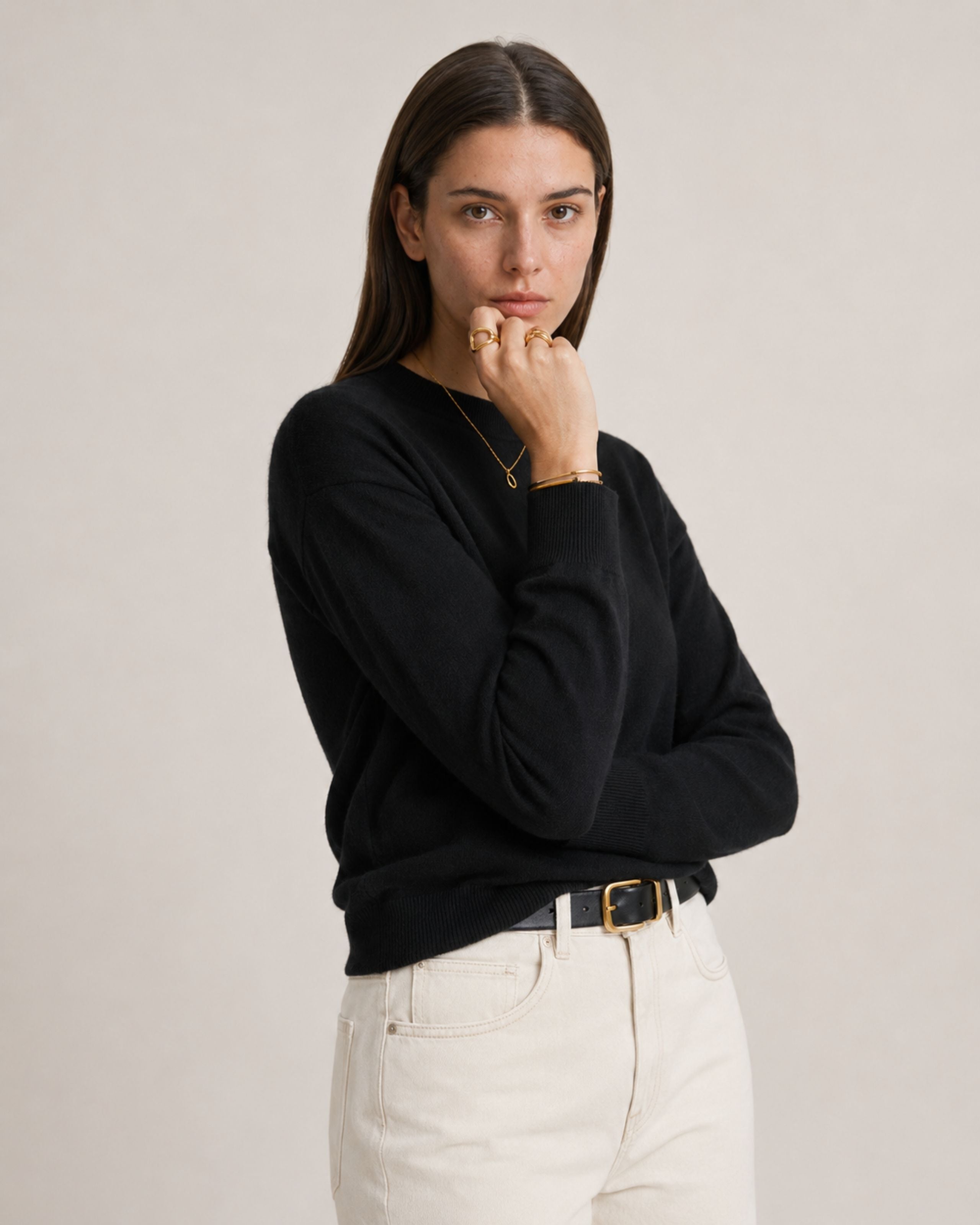
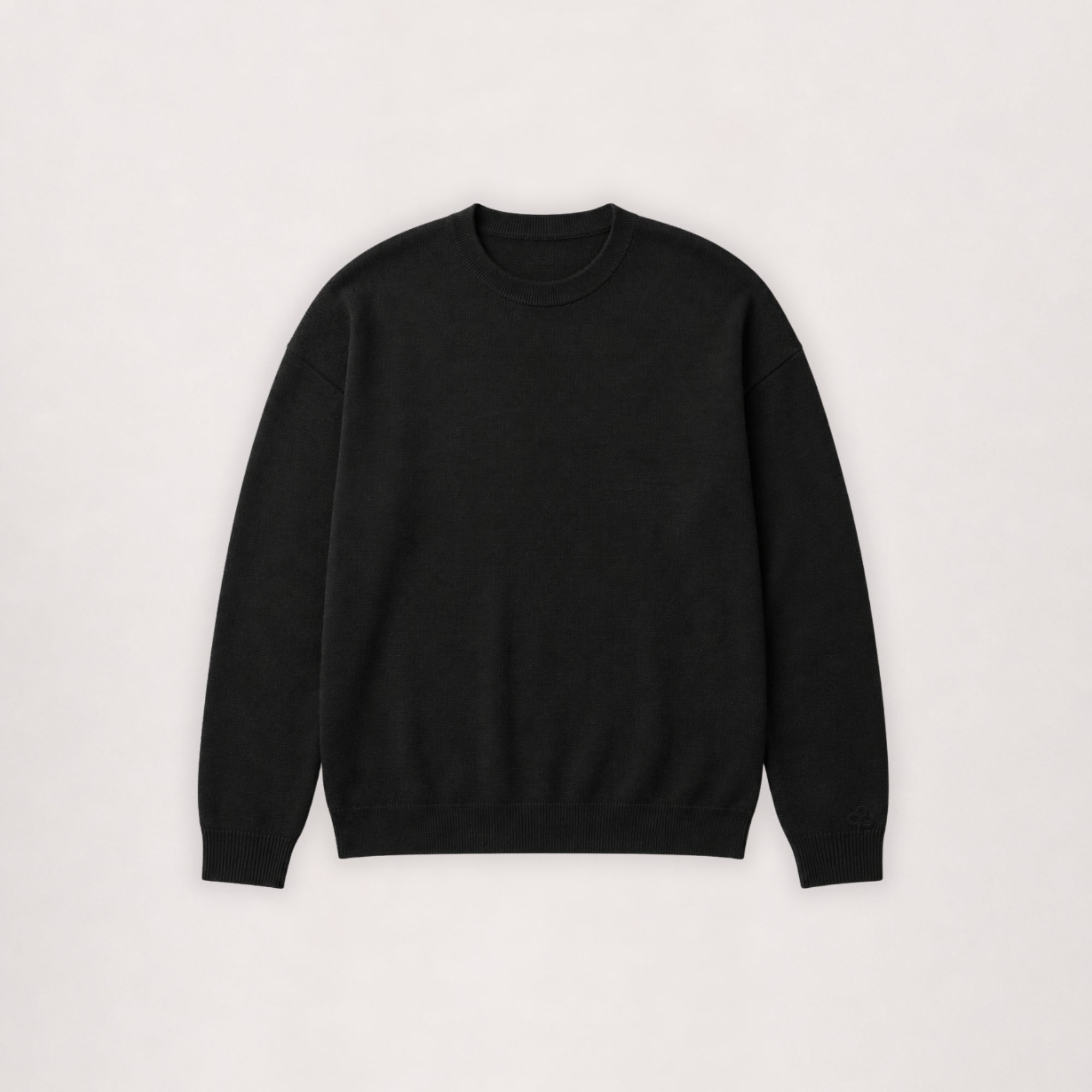
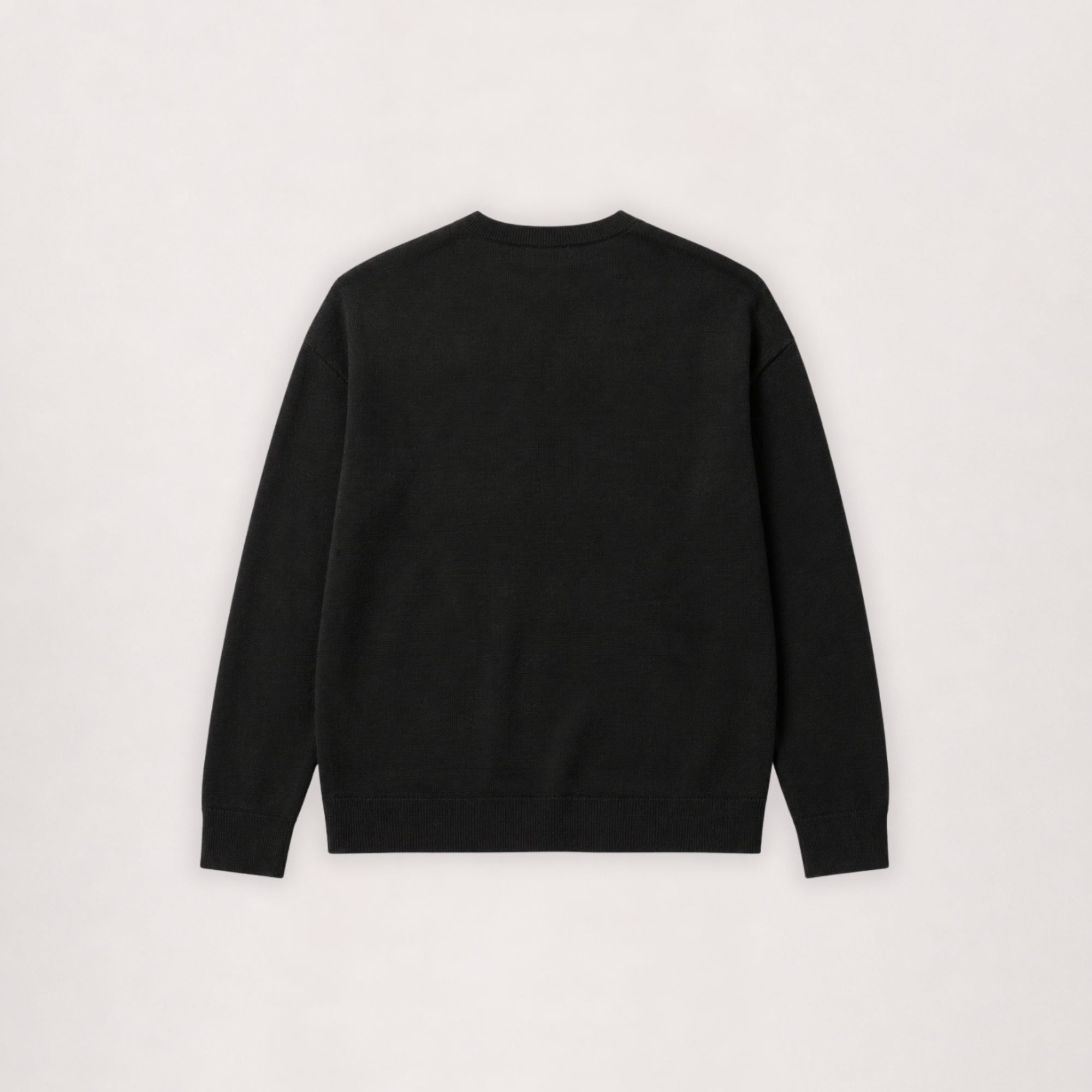
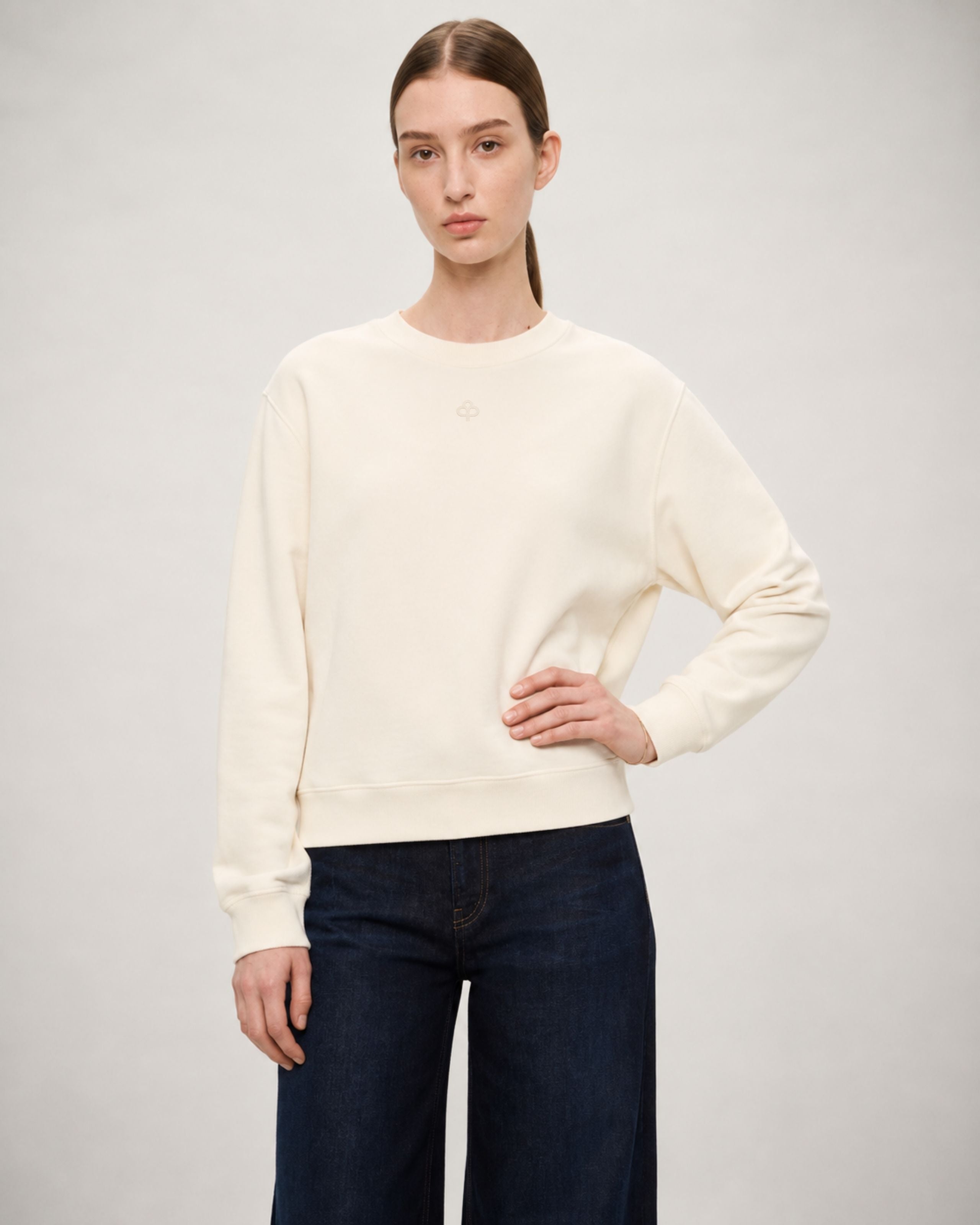
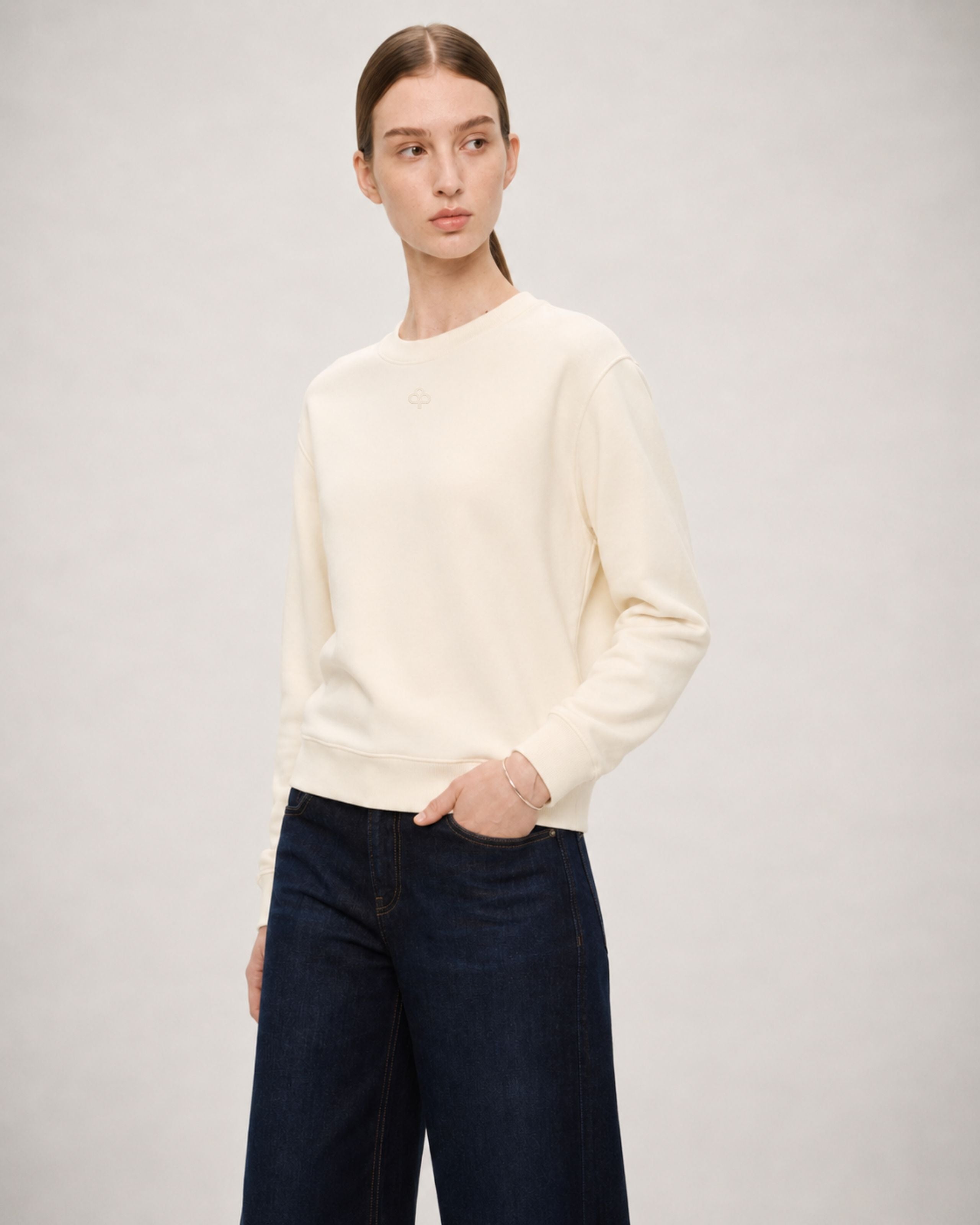
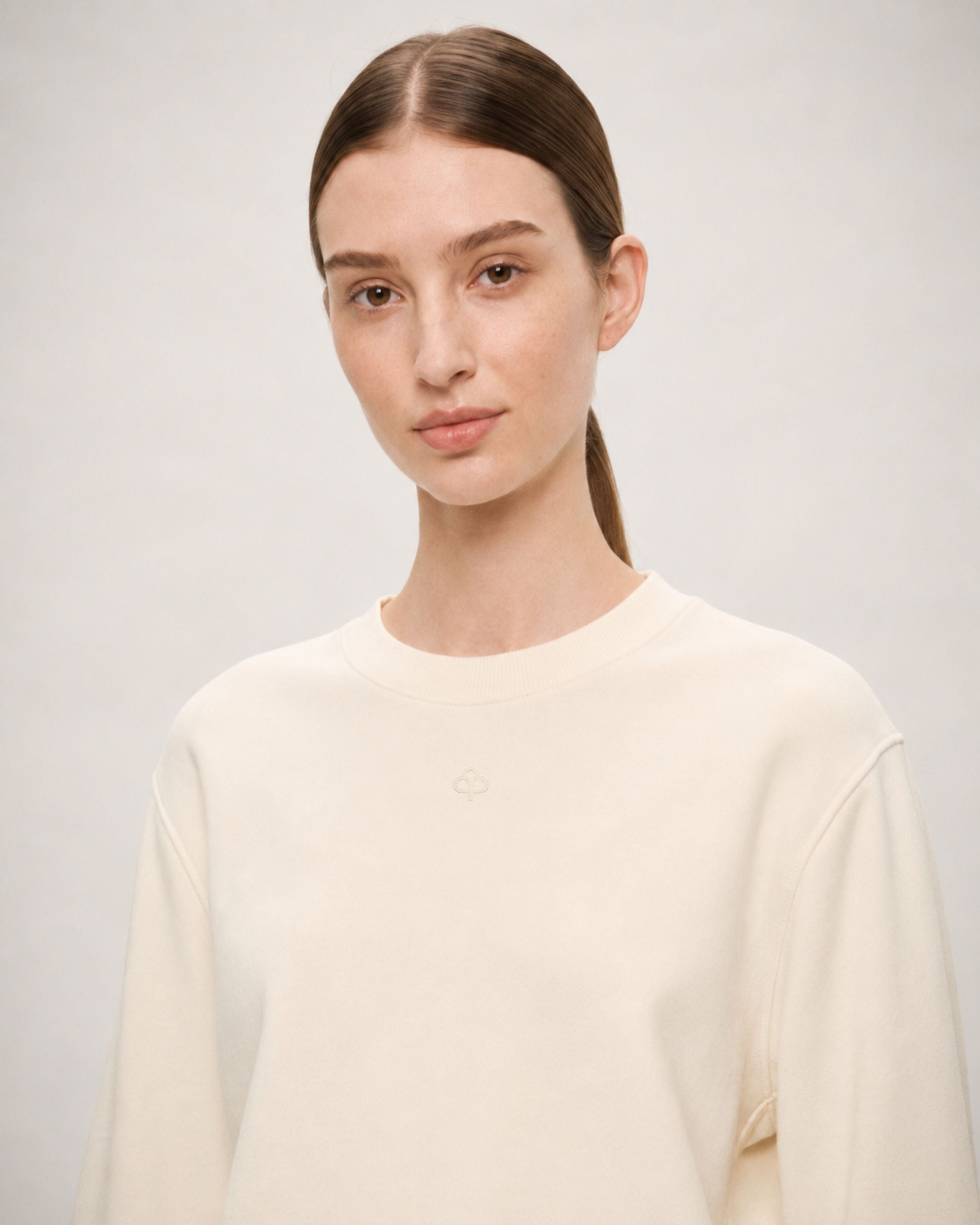
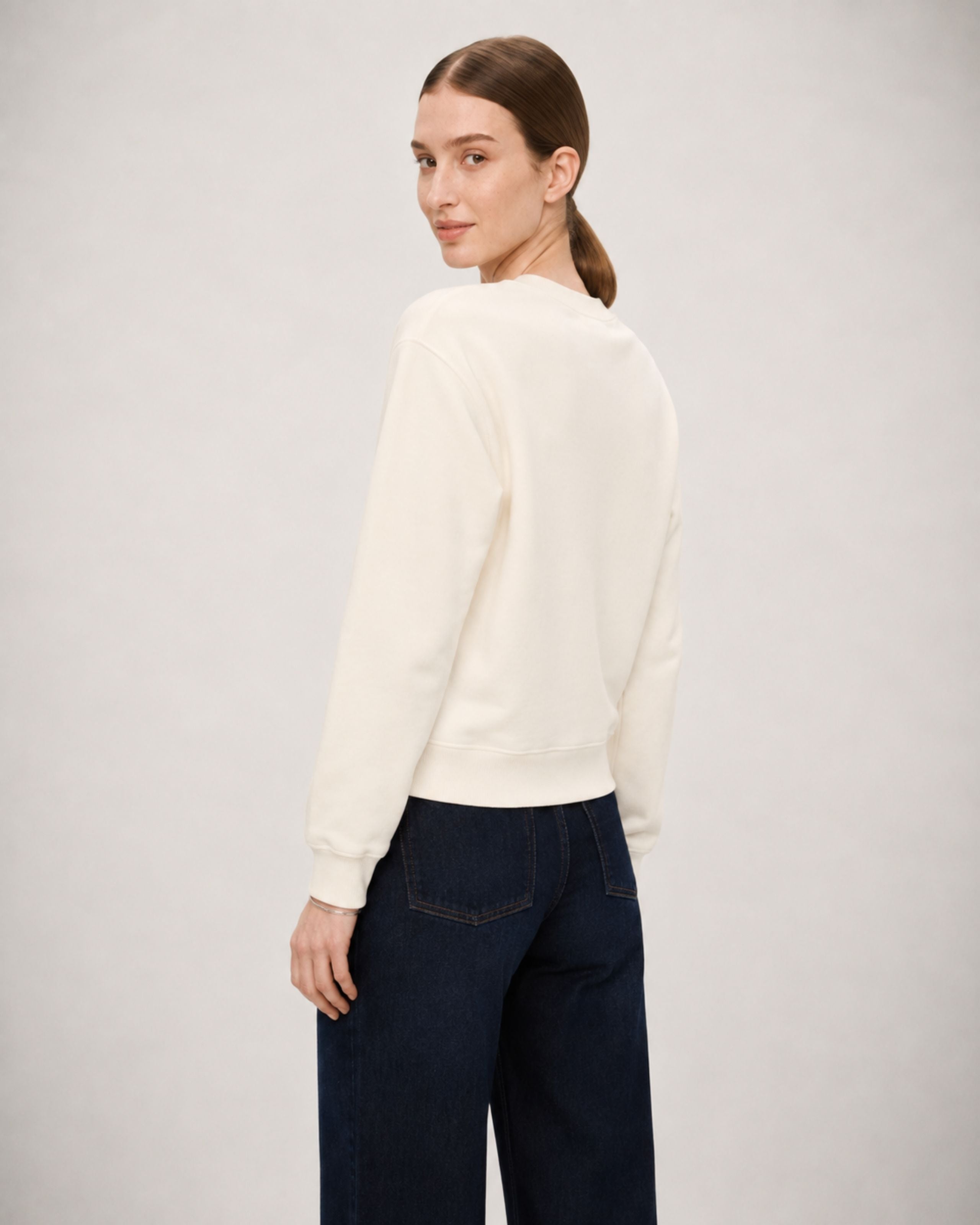
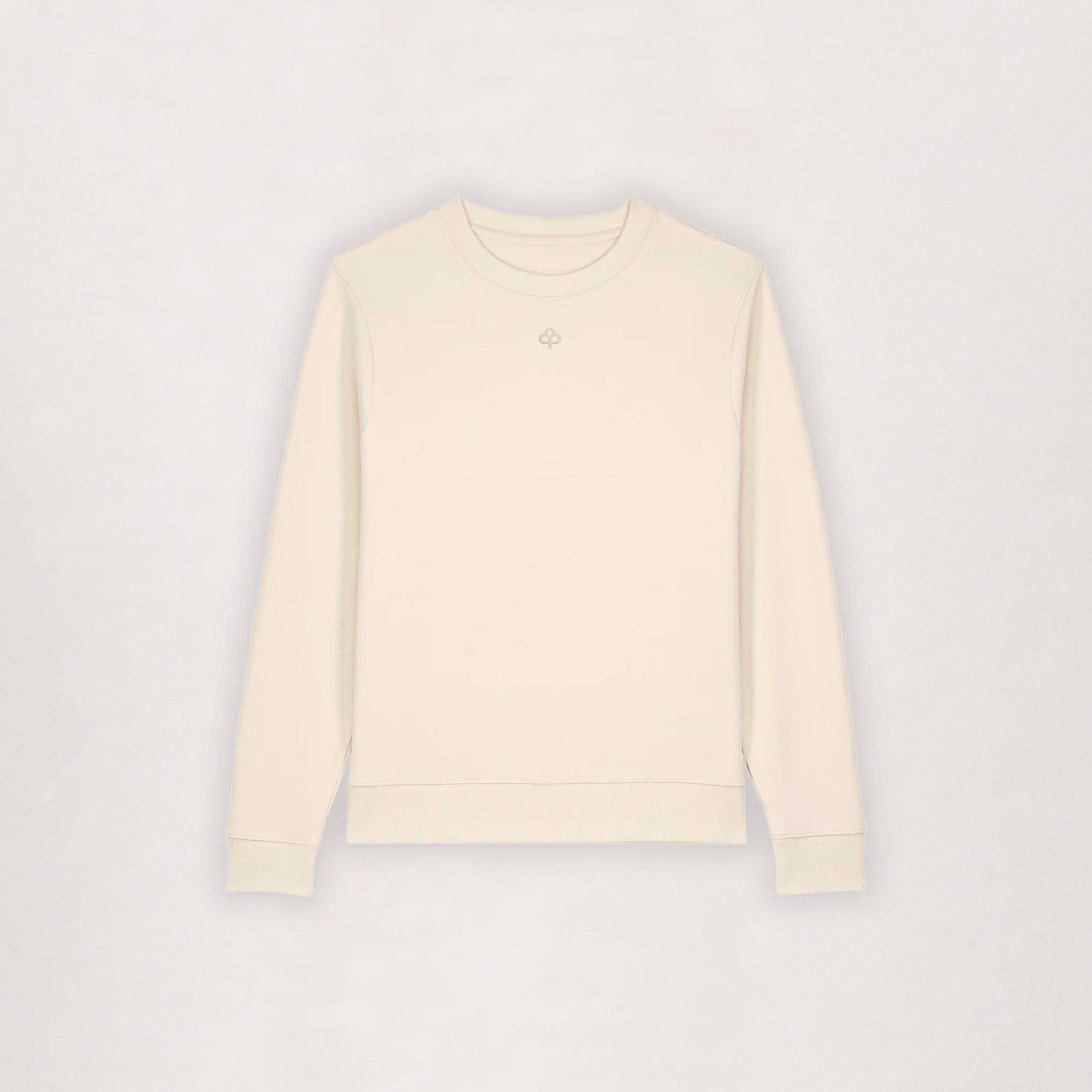
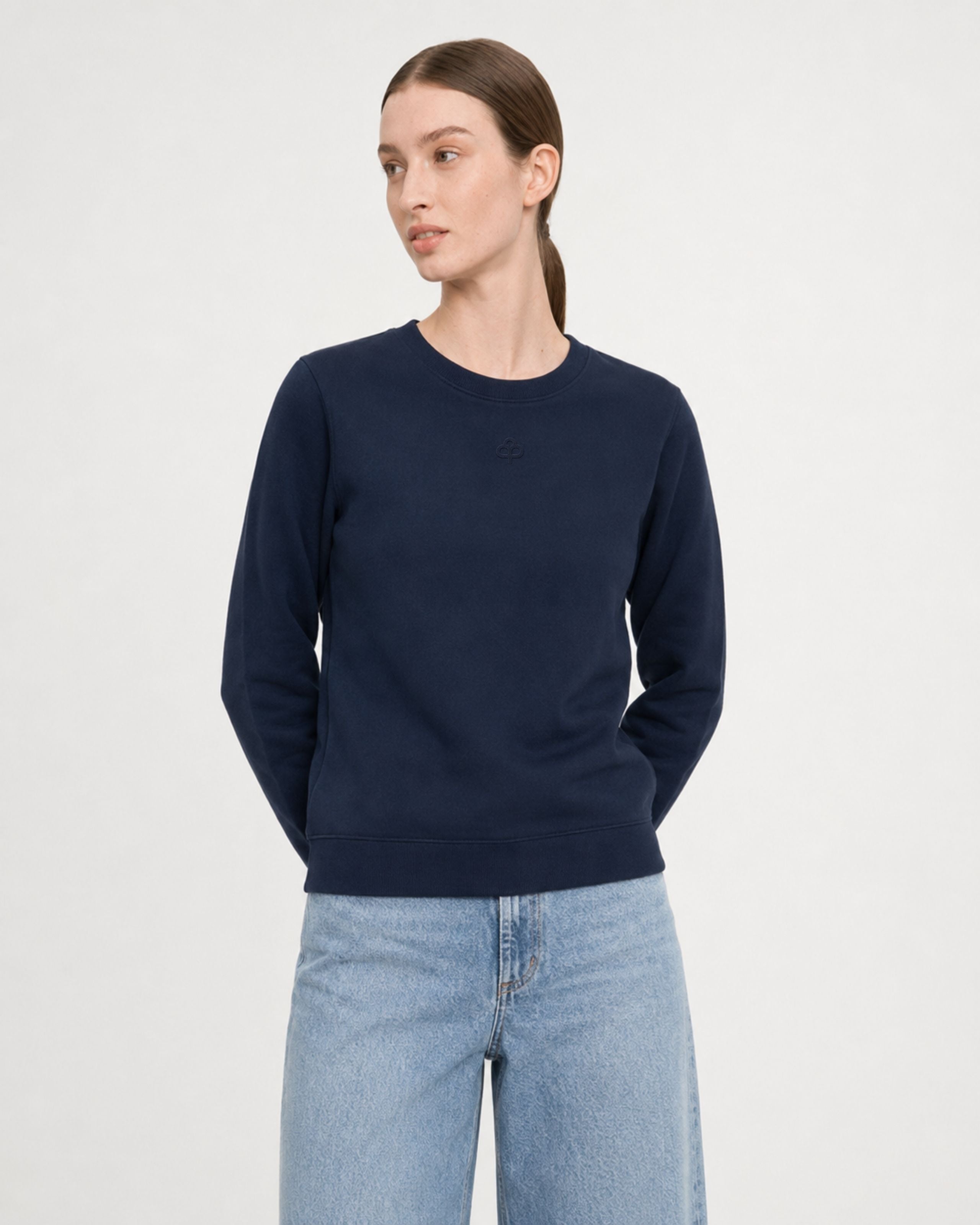
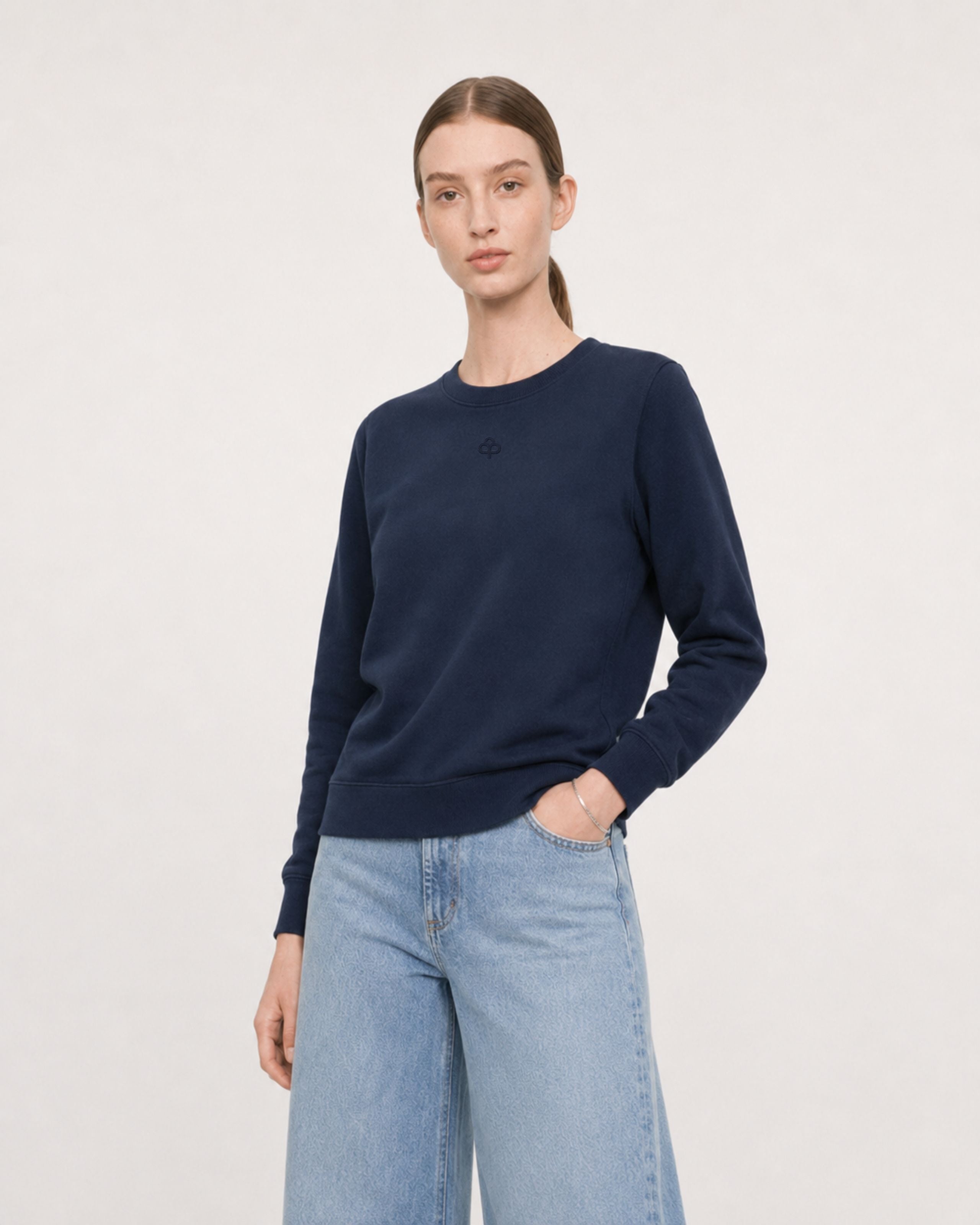
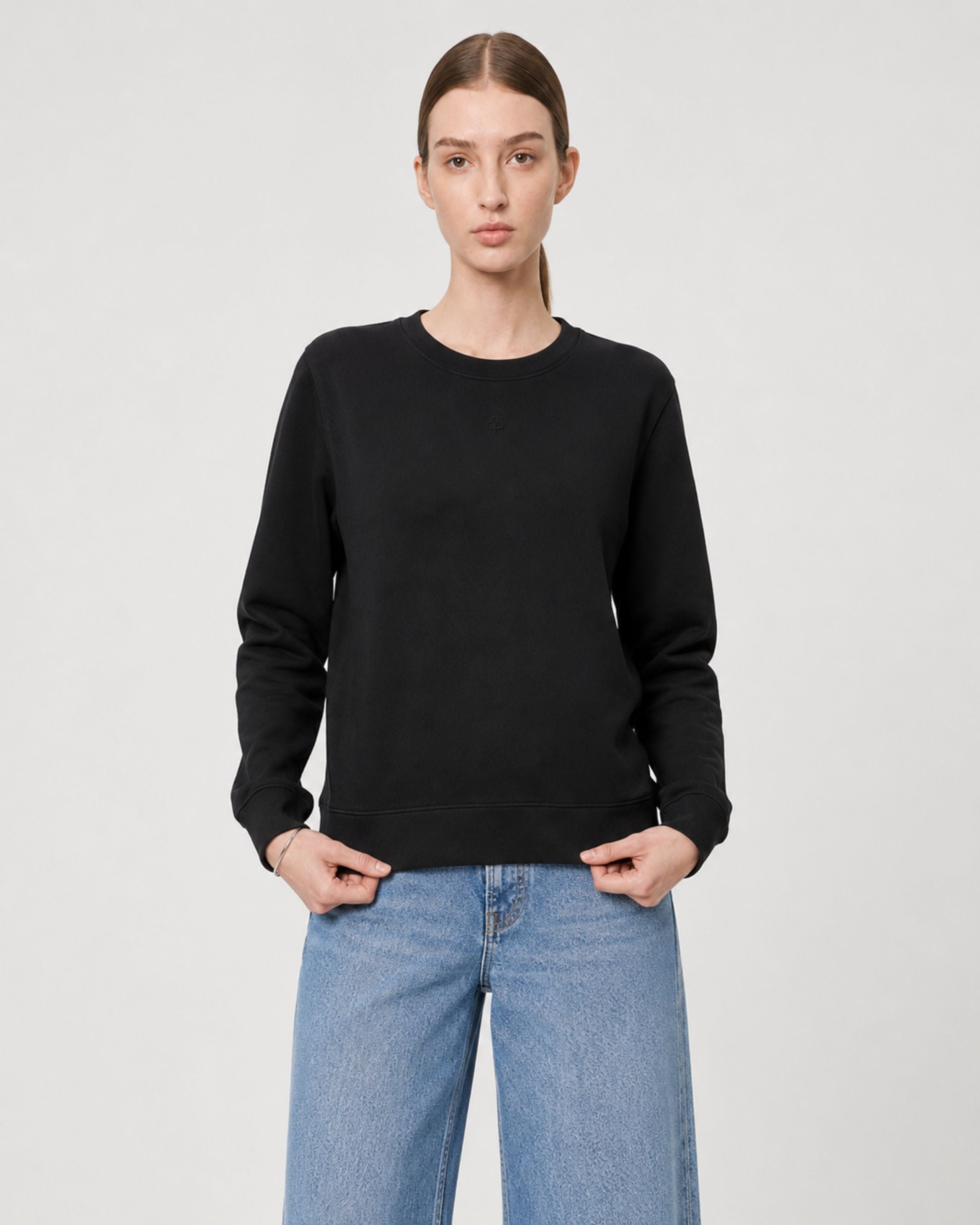
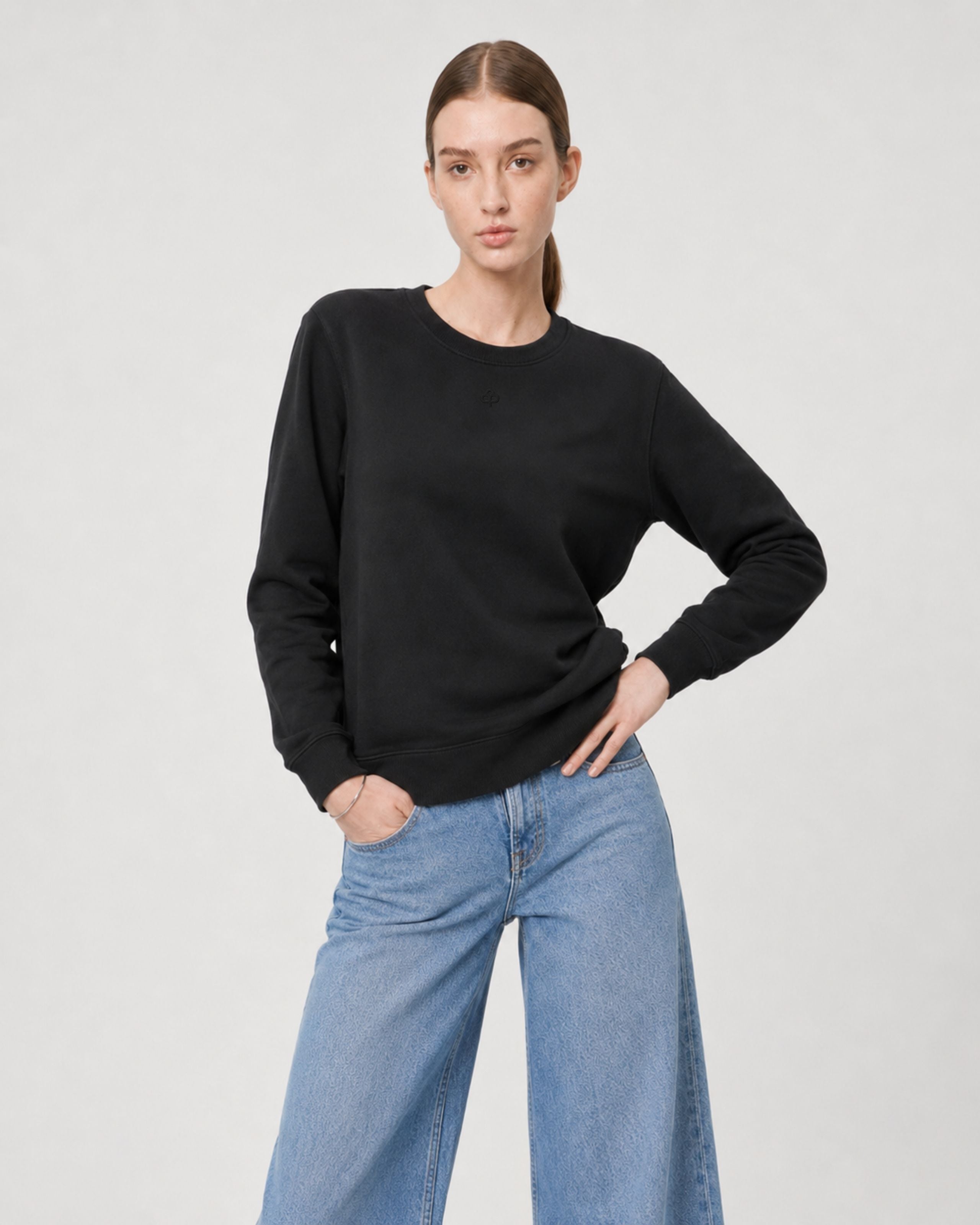
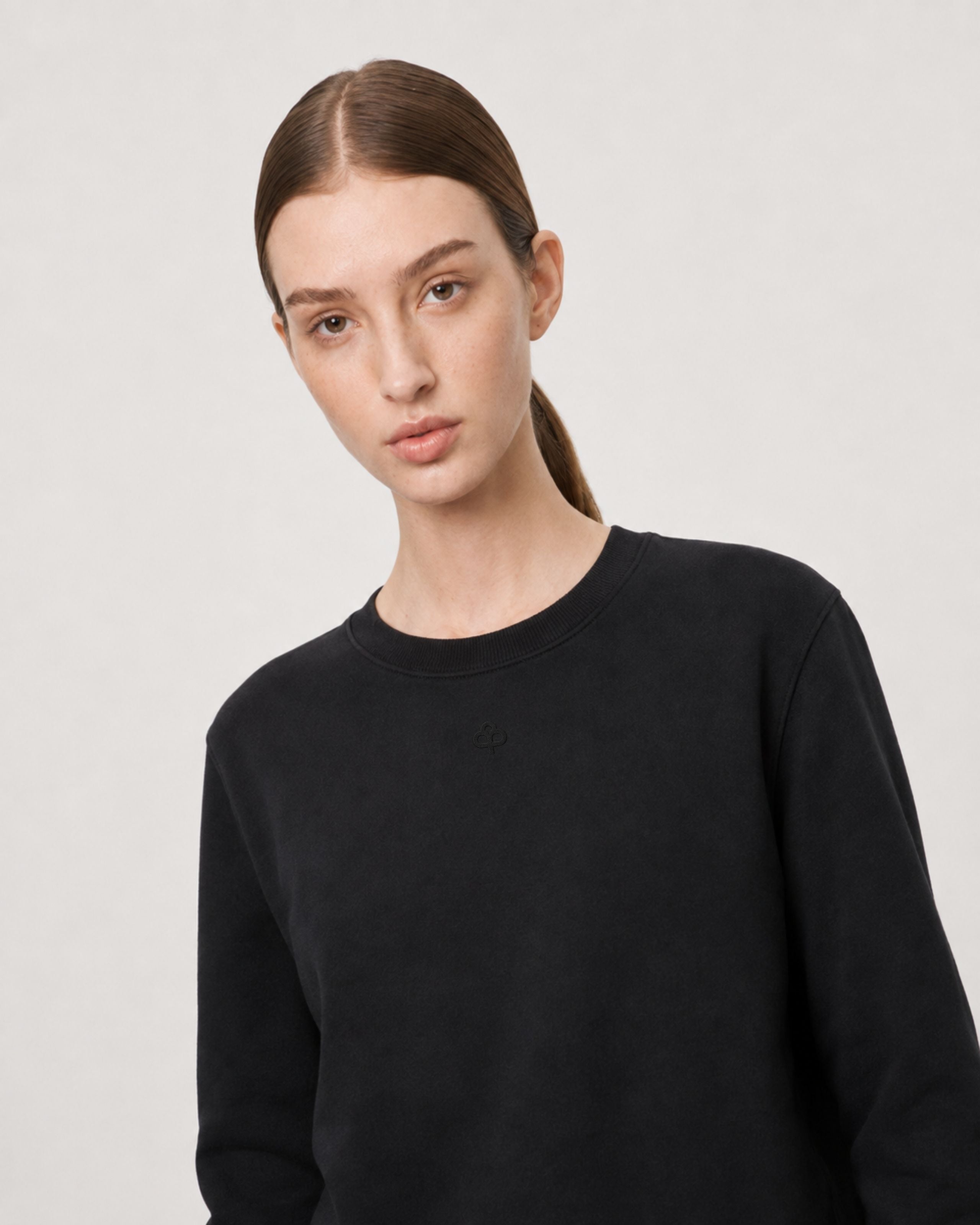
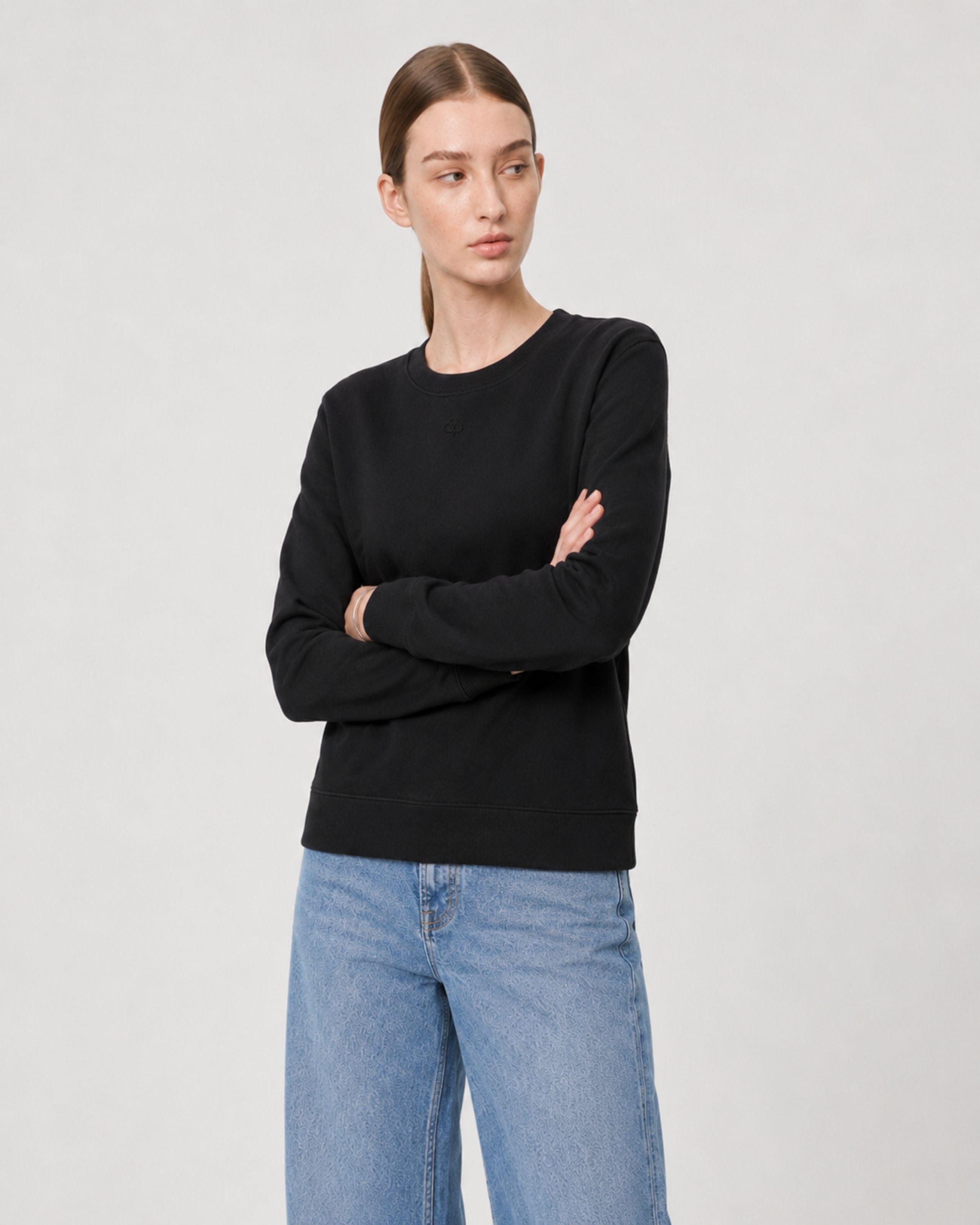
- Extrafine merino knit. This is your layering piece for cool seasons. Merino resists odour, regulates temperature, and gets softer with wear. A simple crew neck or cardigan in a neutral colour works over tanks, under outerwear, and alone.
- Cotton tank top. A basic organic cotton tank works as a base layer under thin fabrics, as a sleep shirt, or as a backup when your primary tops are in the wash.
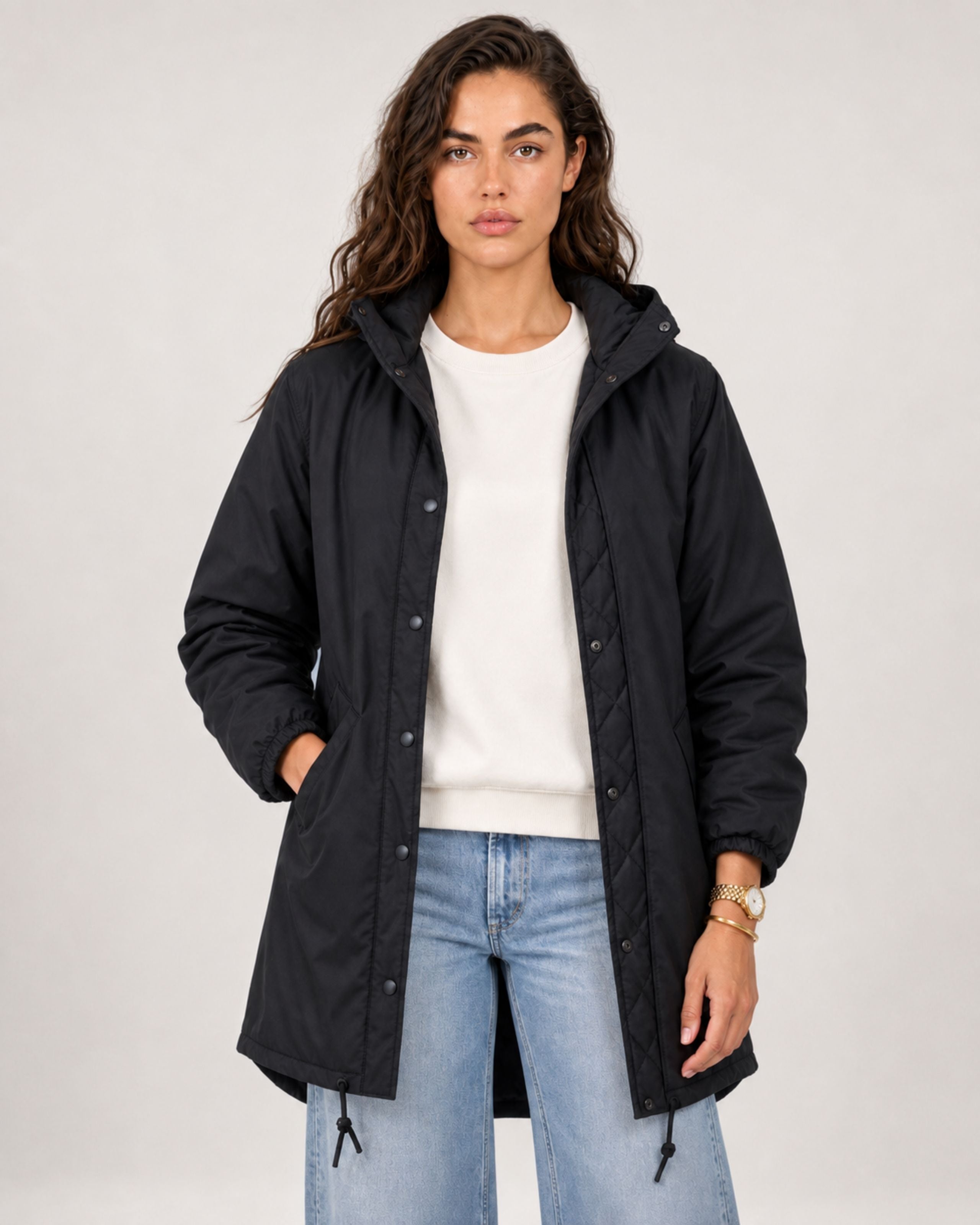
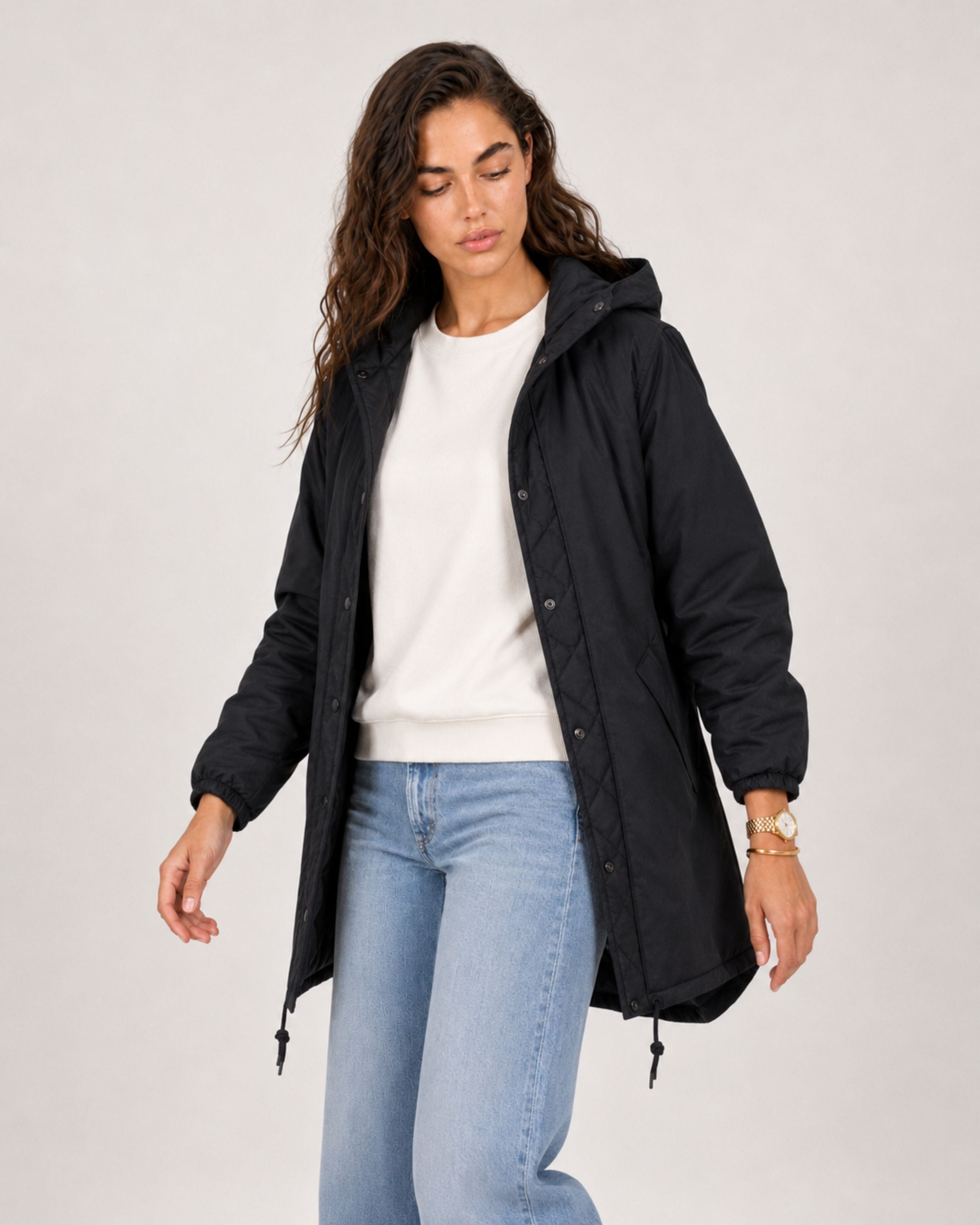
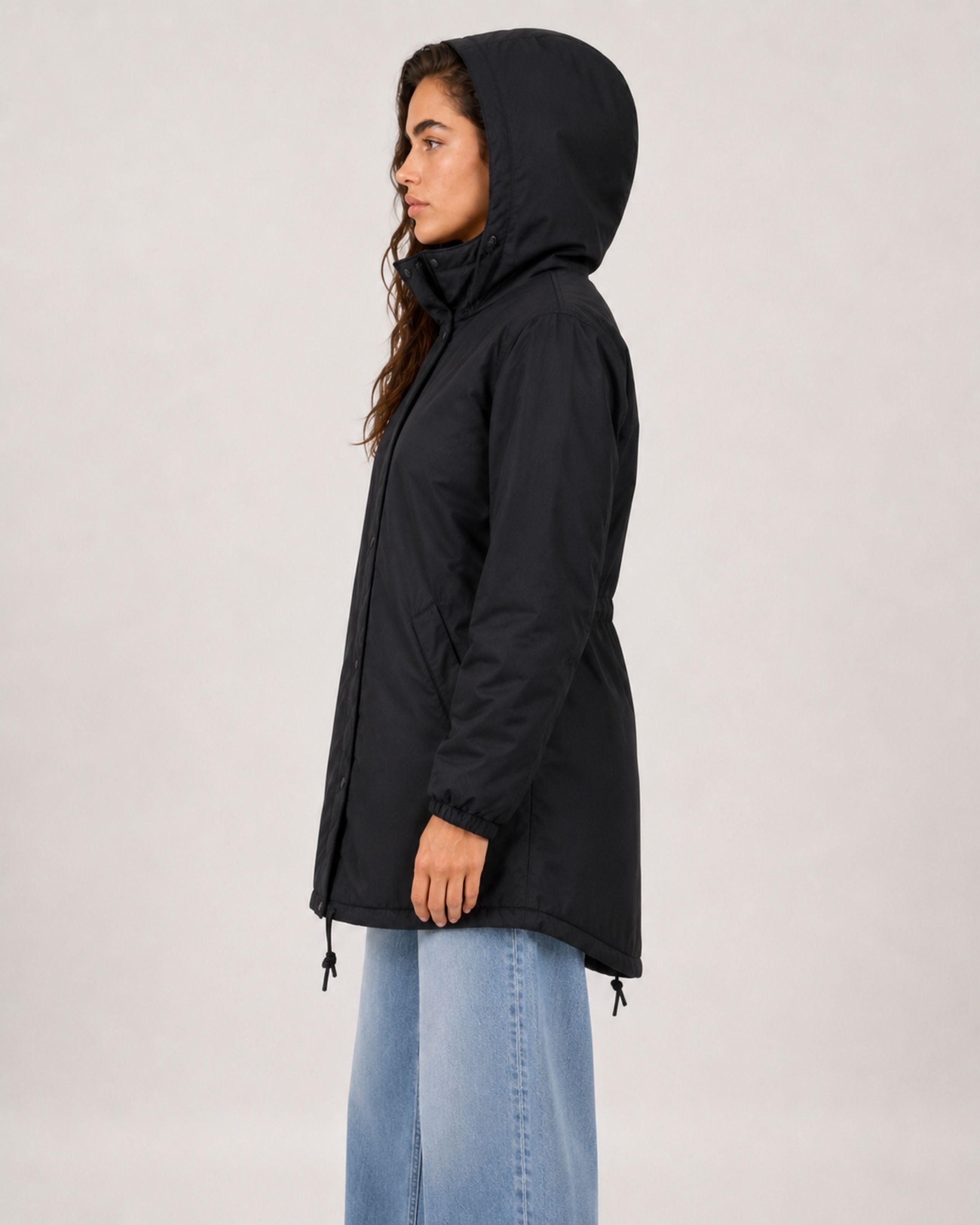
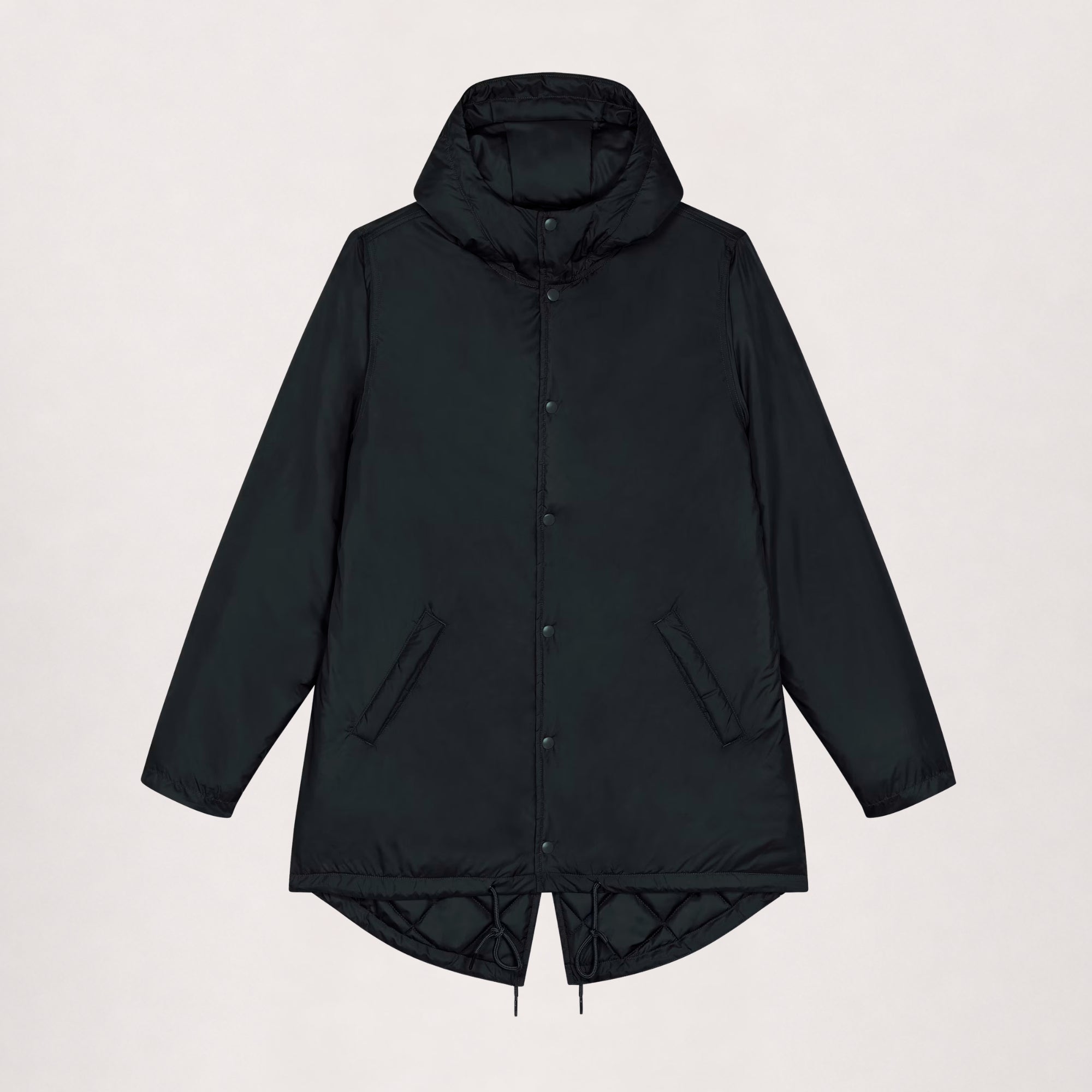
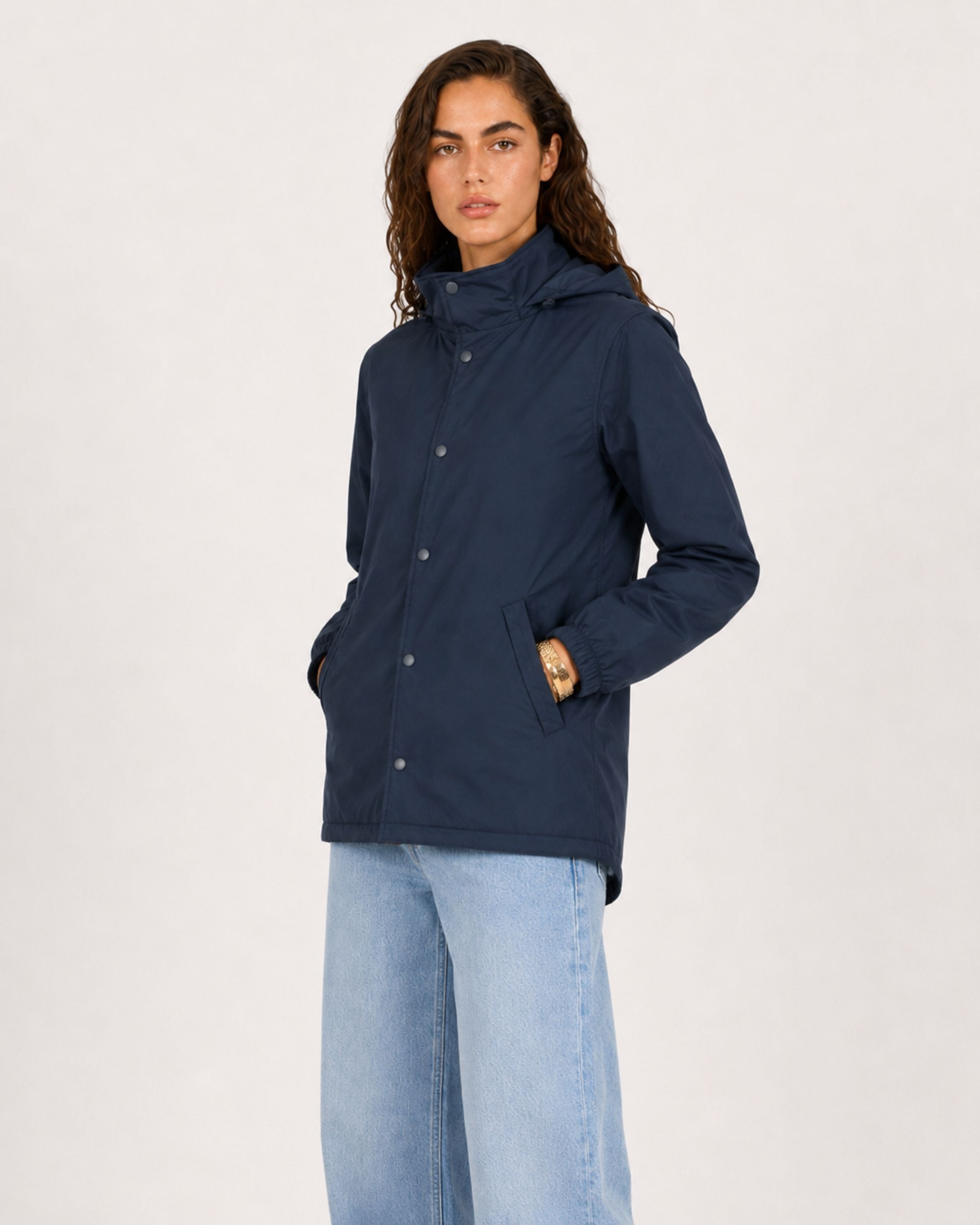
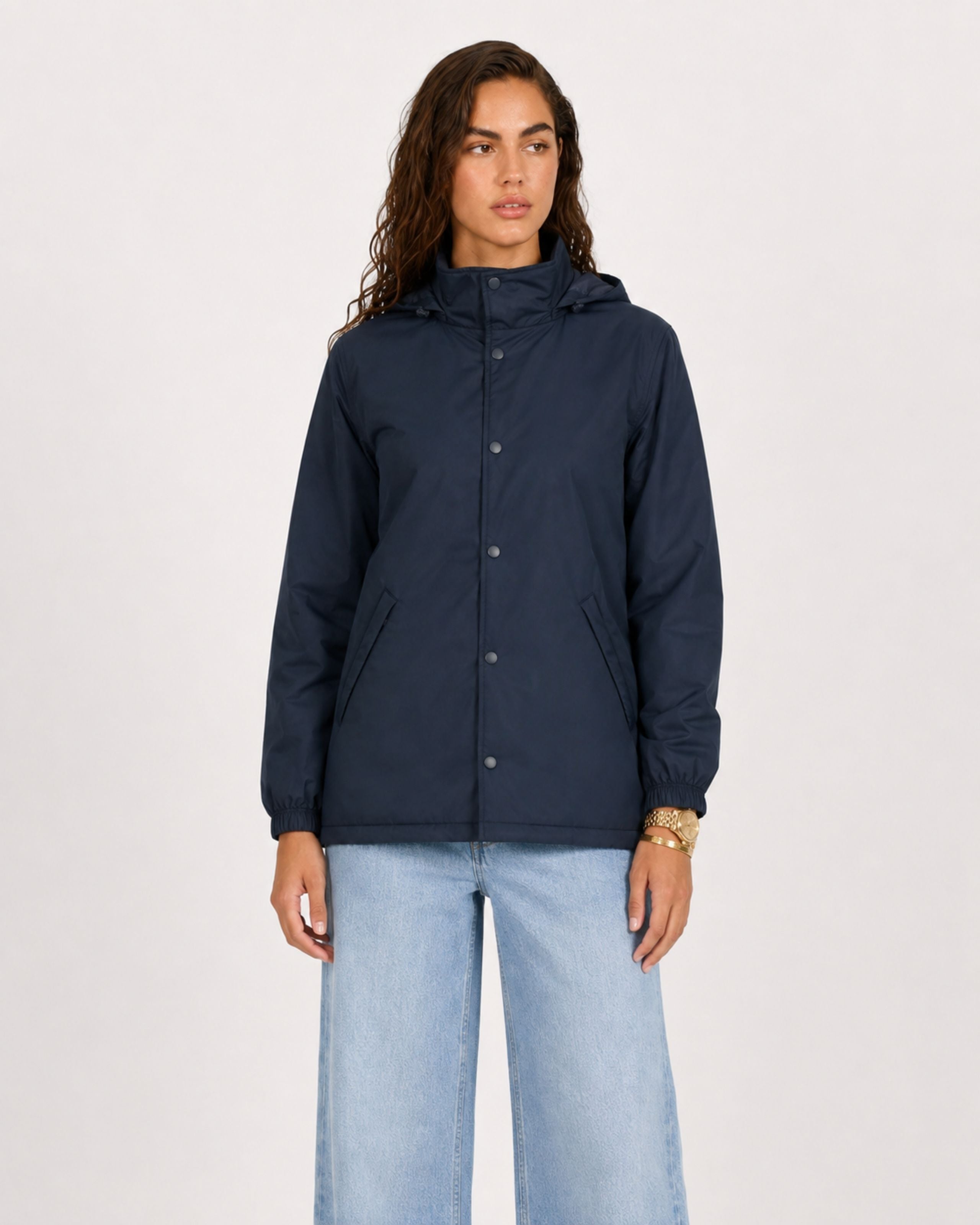
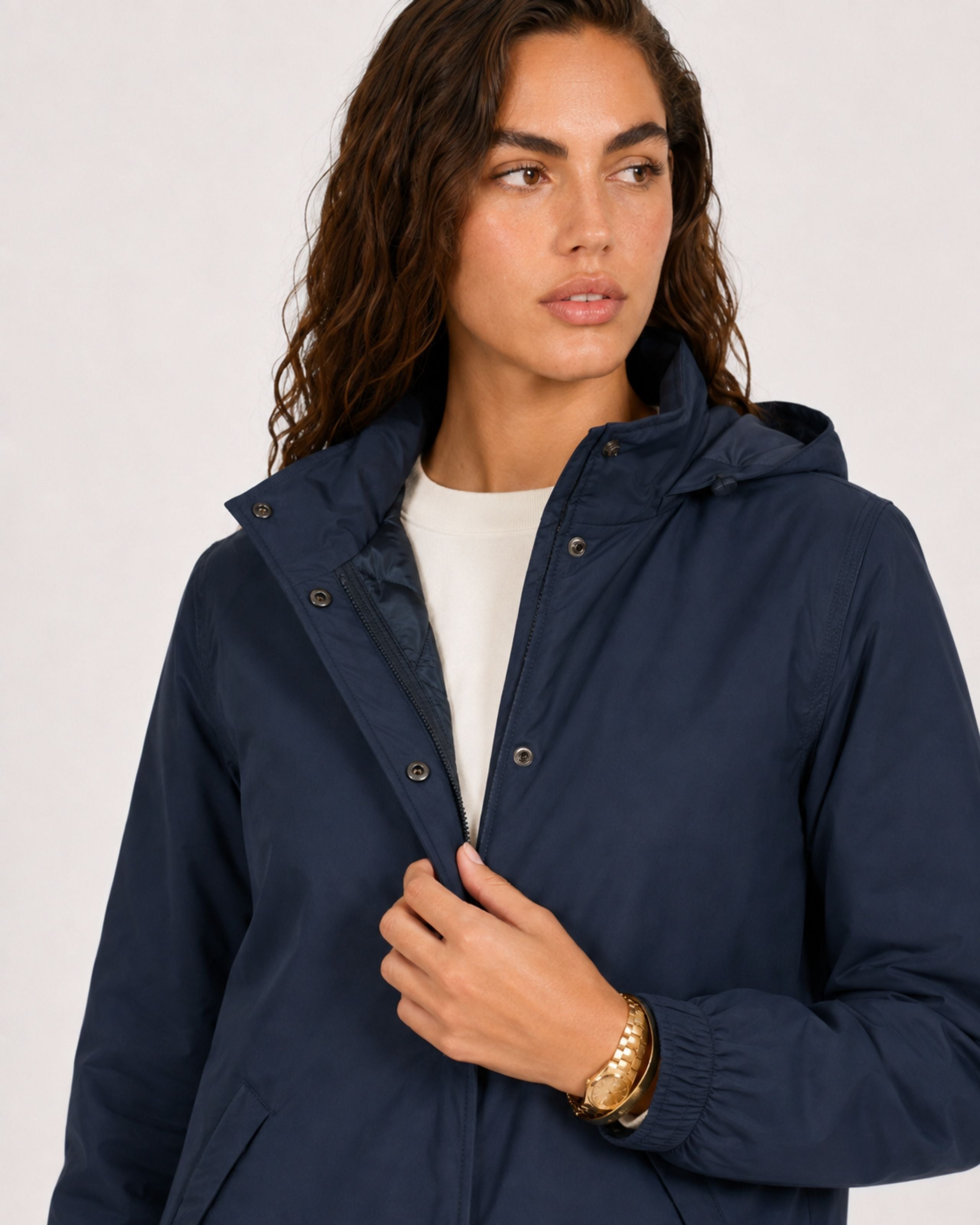
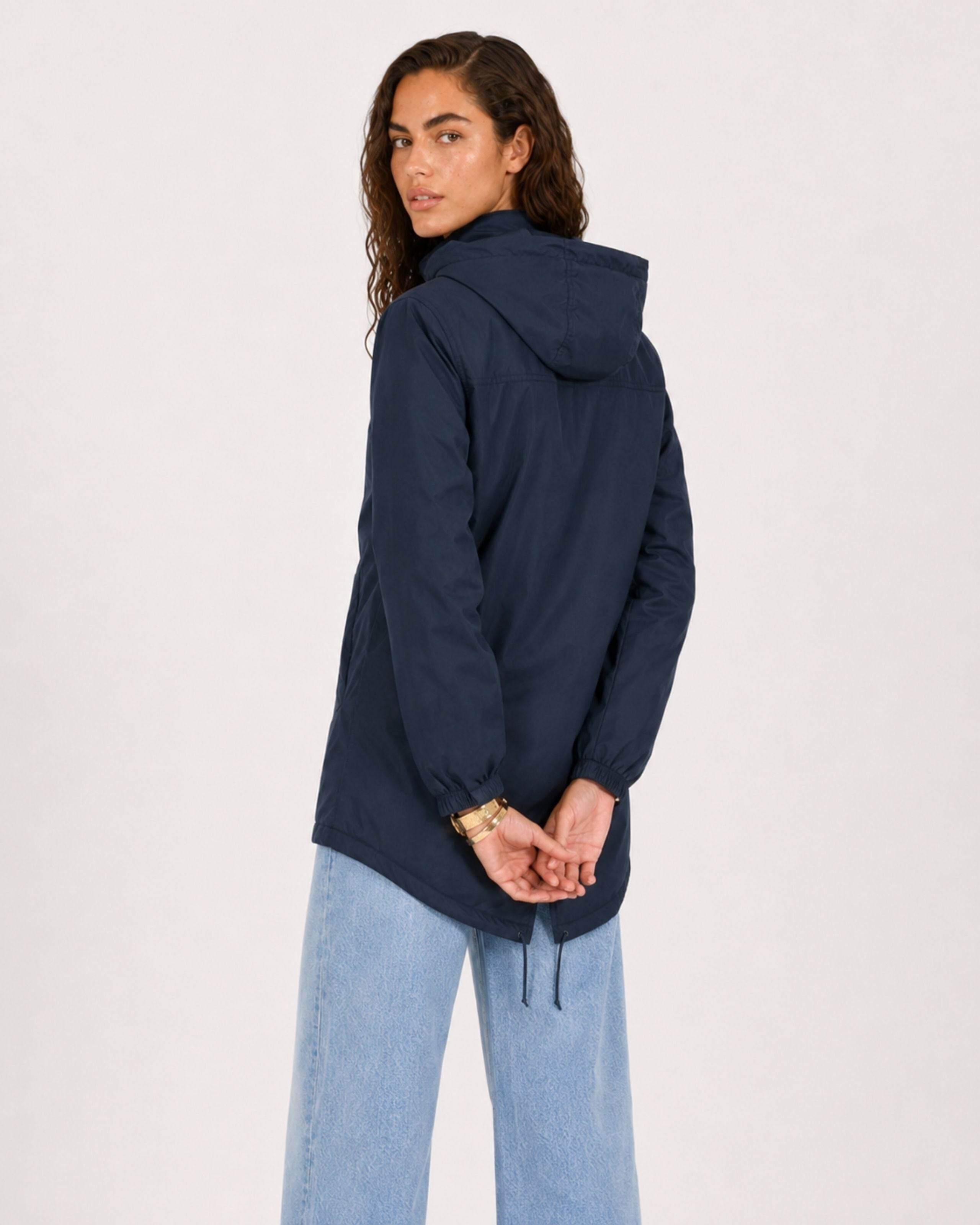
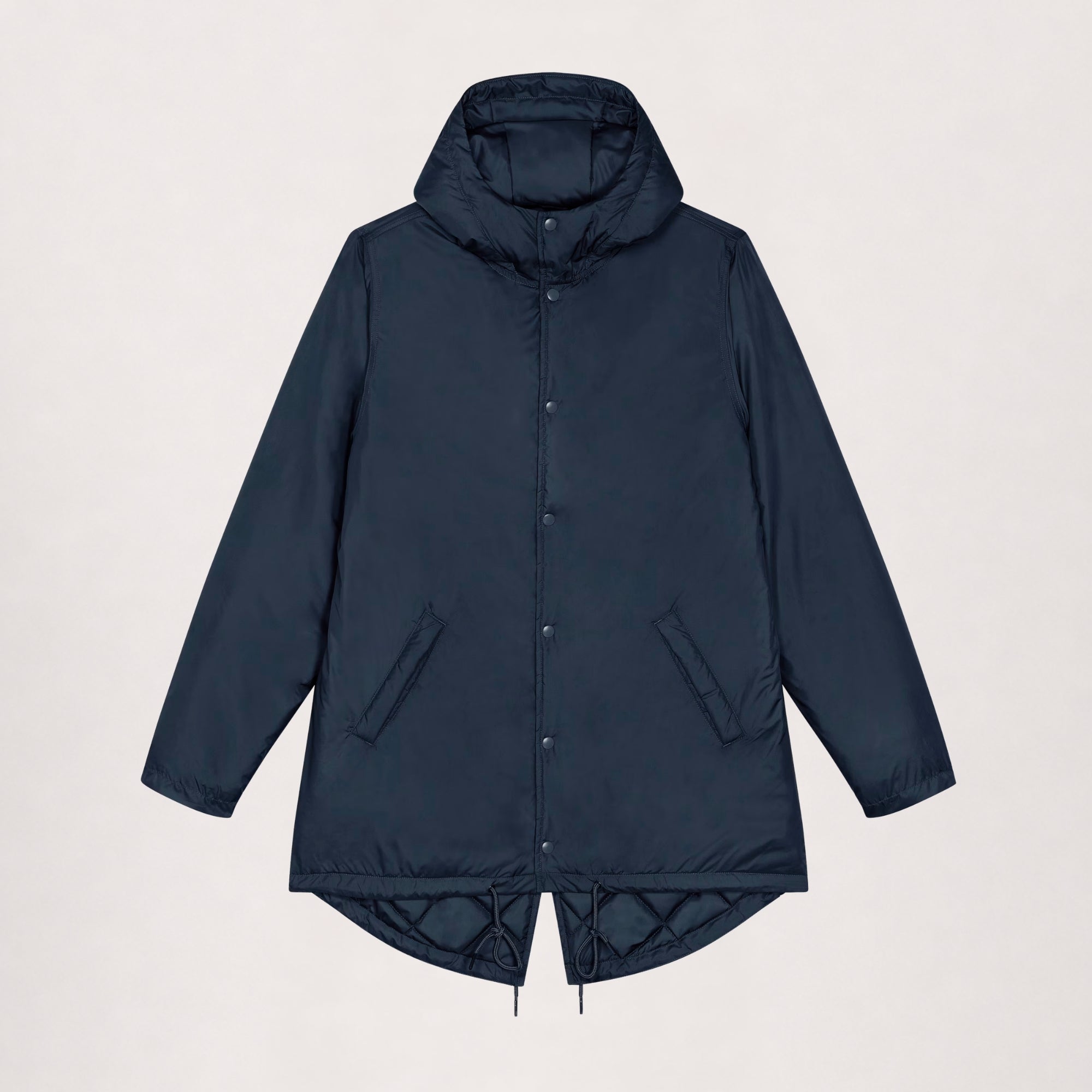
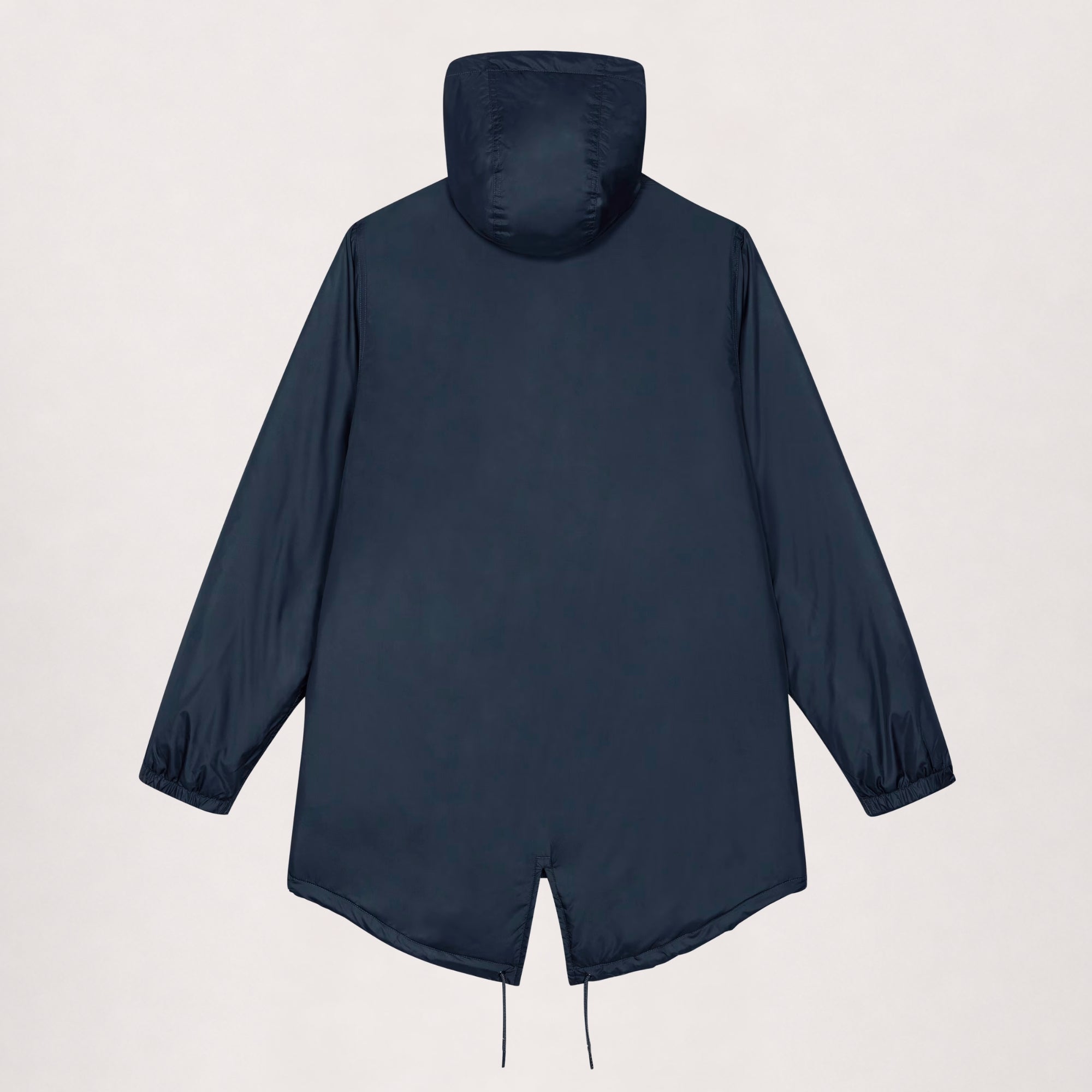
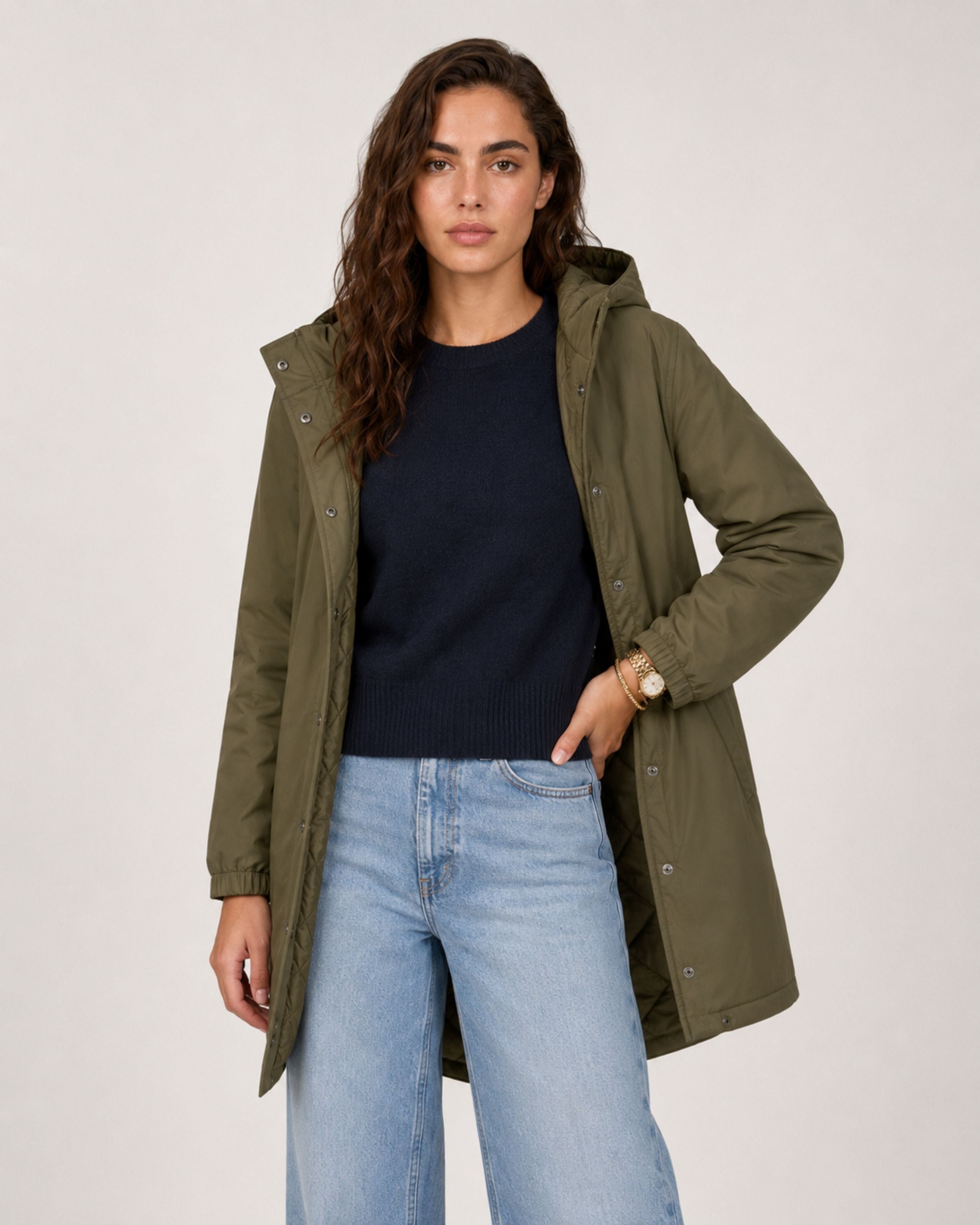
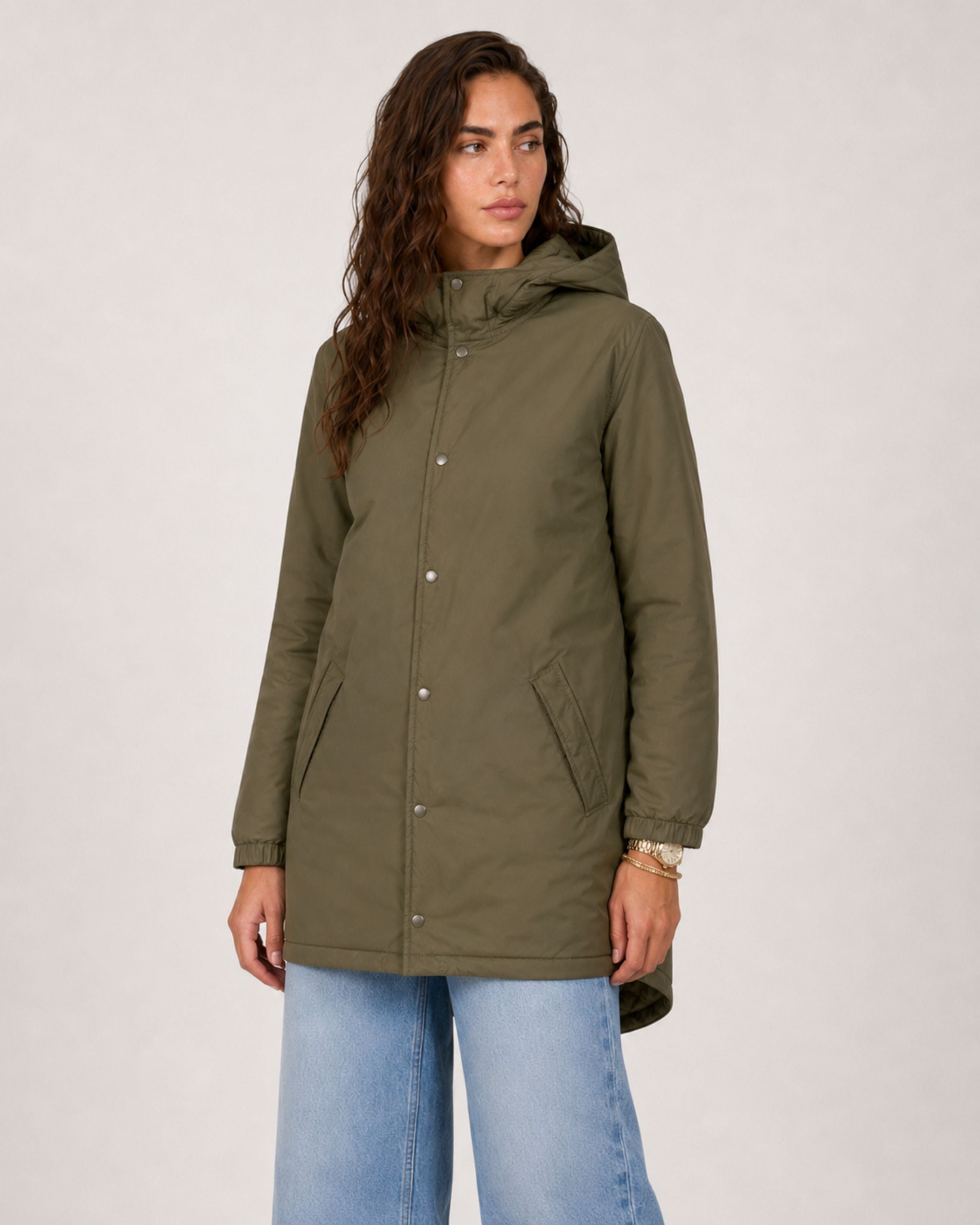
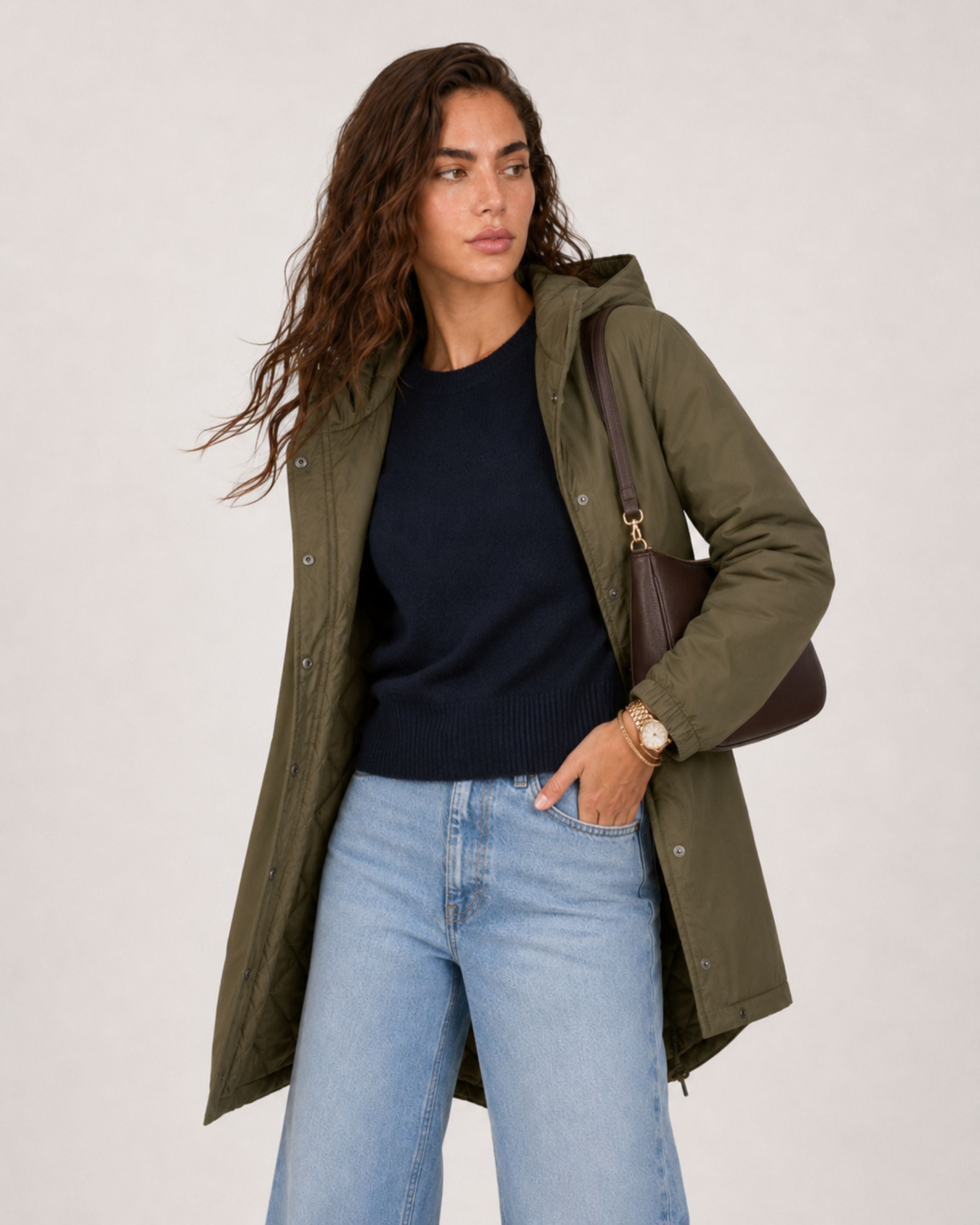
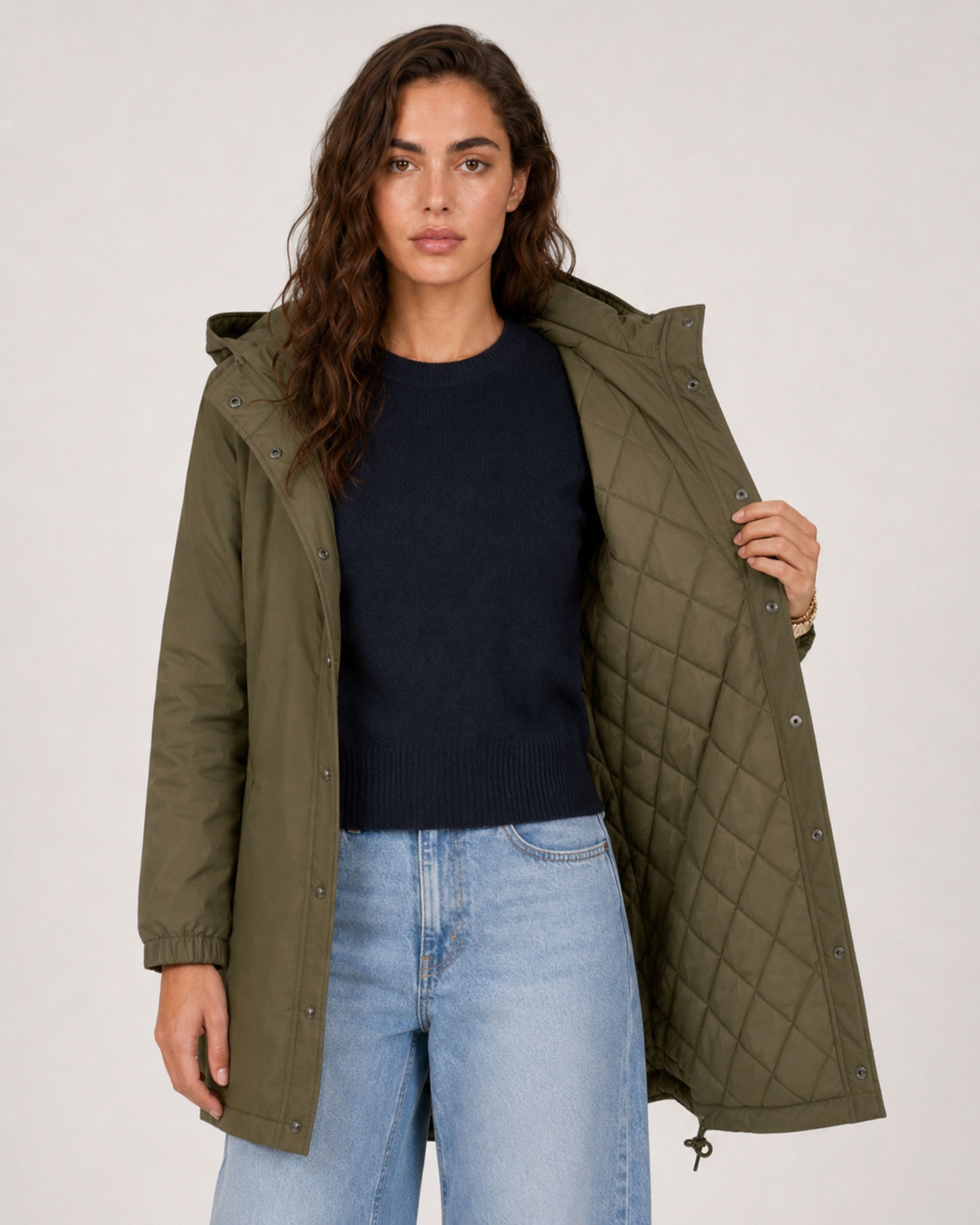
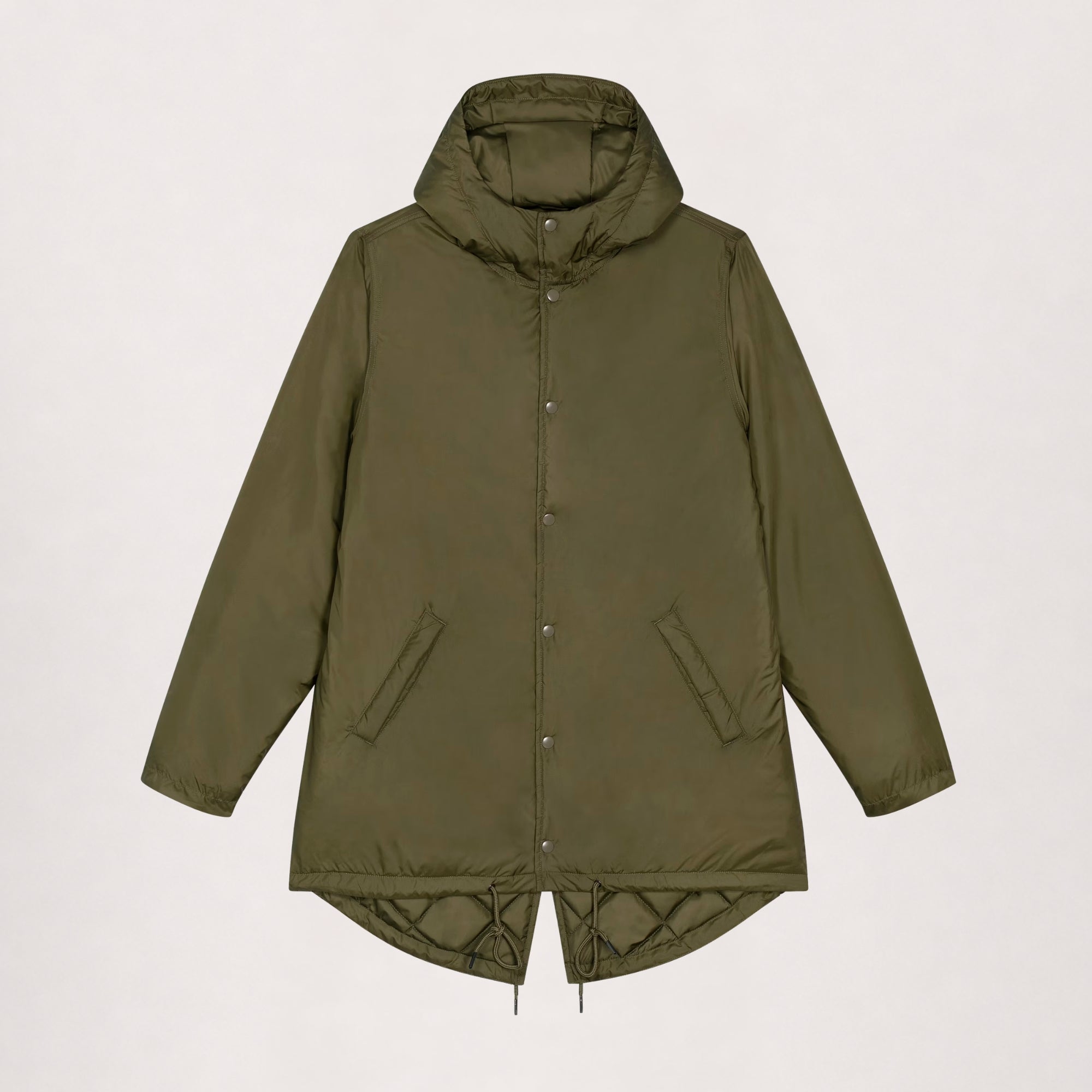
- Outerwear appropriate to your climate. This might be a linen jacket for warm climates, a structured cotton coat for temperate climates, or a merino cardigan for layering. One outerwear piece that matches your palette is enough.
- One dress in a secondary colour (optional). If your primary palette is navy and off white, a dress in light blue adds variety without complicating your options. This is a later addition once your core pieces are solid.
These ten pieces are specific because they work together and because each one earns its place. A linen shirt is not here because linen is trendy, it is here because the fibre performs. Cotton Oxford is here because it provides structure that linen does not. Merino is here because it solves a seasonal problem. Each piece addresses a practical need.
How to shop for a capsule wardrobe without buying everything at once
Building a capsule wardrobe does not happen in one shopping trip. A phased approach lets you test pieces, understand your actual preferences, and avoid waste.
Start with the linen shirt and linen trousers. Wear them for two weeks. See how they feel, whether you reach for them, and whether they fit your life. If they work, add the tank top layer next. These three pieces create five to seven distinct outfits.
Add one new piece every two weeks. This pace lets you verify that each new addition actually combines with what you already own and that you actually reach for these clothes. It prevents the impulse to fill gaps that do not exist.
Cost per wear logic makes this pace easier to plan. A piece worn 60 times becomes very different economically from a piece worn six times. A new piece every few weeks also matches the pace of preorder production. At Pamuuc, the preorder model means pieces are made for confirmed demand rather than sitting in inventory.
Set a rule: before you add a new piece, identify which three existing pieces it pairs with. If you cannot make that connection, it is not ready yet. This prevents accumulation and keeps the capsule aligned.
Prioritise fit and feel over quantity. Trying two pairs of trousers and choosing the one that fits better is more useful than buying three pairs because they are on sale. A piece that does not fit is rarely good value.
The one thing that kills a capsule wardrobe
The most common failure mode is buying trend pieces "just this once." A dress in a seasonal colour, a patterned shirt, a trendy silhouette, each one seems harmless in isolation, but each one stops being versatile. It pairs with fewer pieces. You wear it less. It becomes visual noise in your closet and guilt about wasted money.
The capsule wardrobe works because of constraint. When you decide to add a piece outside your palette or fabric choices, you sacrifice the system. You stop getting dressed quickly. You second guess whether a piece works. You add another similar piece to "compensate" for the awkward one.
This is not about ideology. It is about efficiency. If your palette is navy, light blue, and off white, a burgundy shirt requires new trousers and a new jacket to work with. A pattern requires coordination. A synthetic piece requires different care. Each exception adds complexity.
The solution is to articulate your palette and fabric choices before you shop, and to treat them as genuine boundaries rather than suggestions. This is harder than it sounds because retail is designed to override those boundaries. Every campaign presents new colours and silhouettes as essential. The capsule wardrobe asks you to resist that pressure and to evaluate new pieces against your actual life, not against marketing.
One useful question: "Will this piece work with at least 50% of what I already own?" If the answer is no, it is a trend piece, not a capsule piece. Buy it only if you are genuinely choosing fashion over function.
Building your capsule wardrobe in practice
A capsule wardrobe is not a single effort. It is a framework for thinking about what you buy and why. The point is not to reach a magic number of pieces and then stop, it is to keep your collection aligned with your life and to replace pieces thoughtfully as they wear out.
When a piece stops working, it no longer fits, it has worn out, or you genuinely do not reach for it, replace it with something similar rather than filling a gap with something new. A linen shirt that has served you for four years is more valuable than a new trend piece, even though the new piece is still intact.
The capsule wardrobe concept assumes that you will wear fewer total pieces, but that each piece earns its place through actual use. This is not deprivation. It is clarity about what works in your life and what does not.
Natural fibres support this approach because they often improve with wear and ageing. A linen shirt worn 100 times can be softer and more personal than it was at the beginning. A synthetic piece worn the same number of times may look tired sooner. Over a five year horizon, natural fibres can cost less per wear and feel better in your hands.
If you want to understand why natural fibres matter specifically, our piece on why linen lasts goes into the practical details. For broader context on how sustainable choices fit into everyday dressing, our sustainable fashion FAQ addresses common questions without greenwashing.
Building a capsule wardrobe is a practical choice, not a moral one. It saves time, money and decision fatigue. It makes your closet work for you instead of working against you. When a Pamuuc piece is available through our preorder model, you order only what you actually need and the piece is made for confirmed demand.
To build the core slowly, start with one anchor such as the Linen Shirt or Straight Leg Linen Pants, then add pieces only when they create several new outfits.