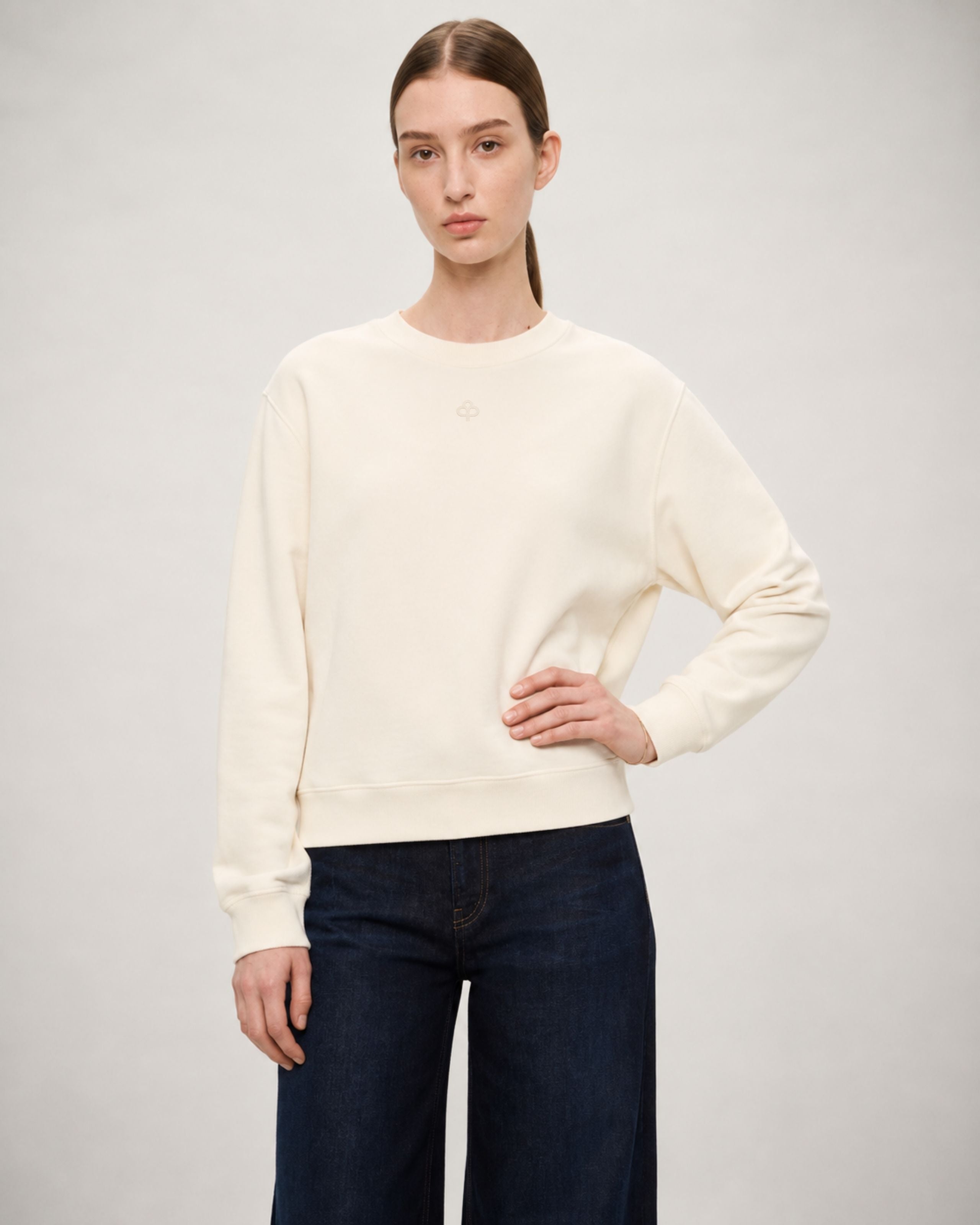
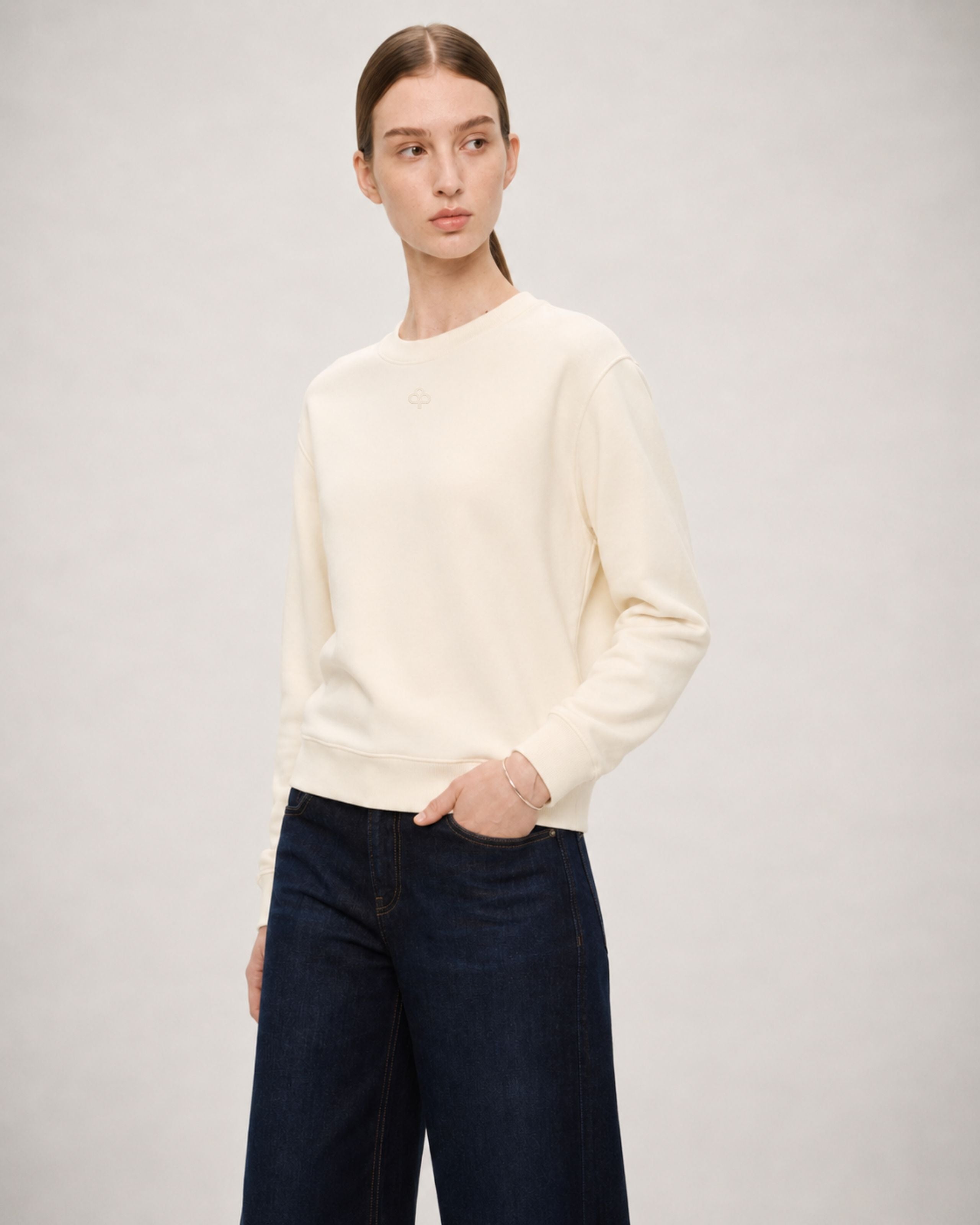
The Natural Fibre Layering System for Winter

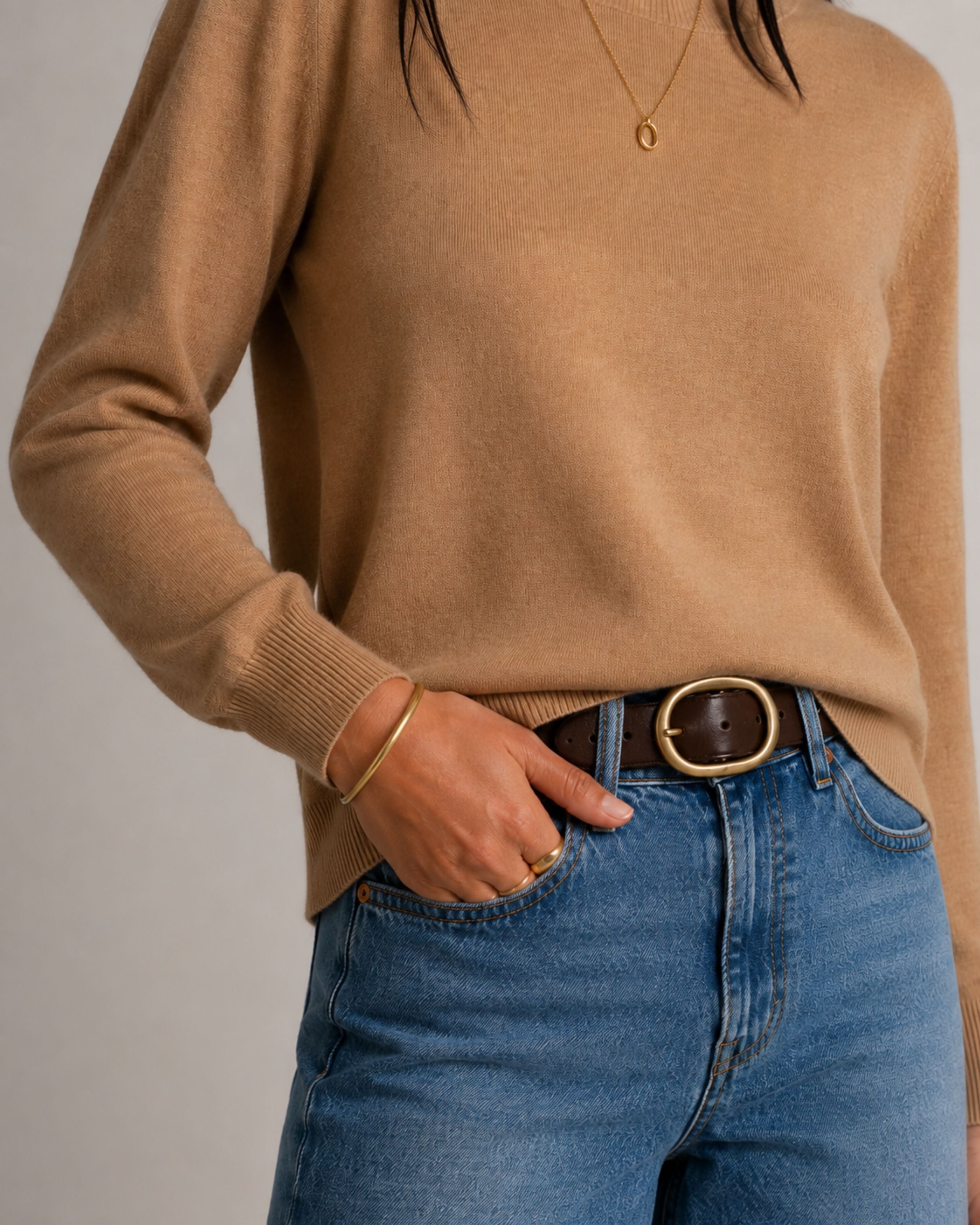
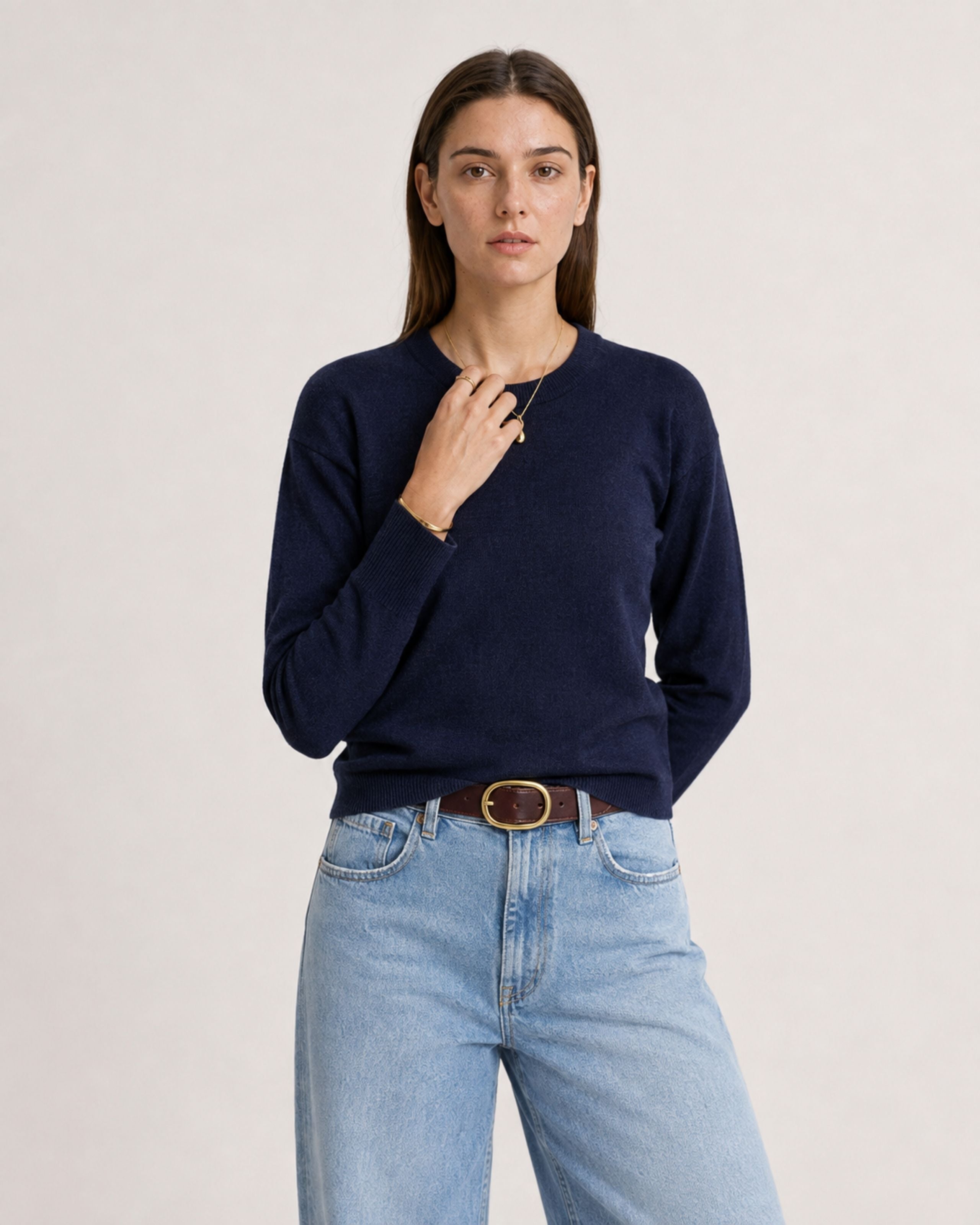
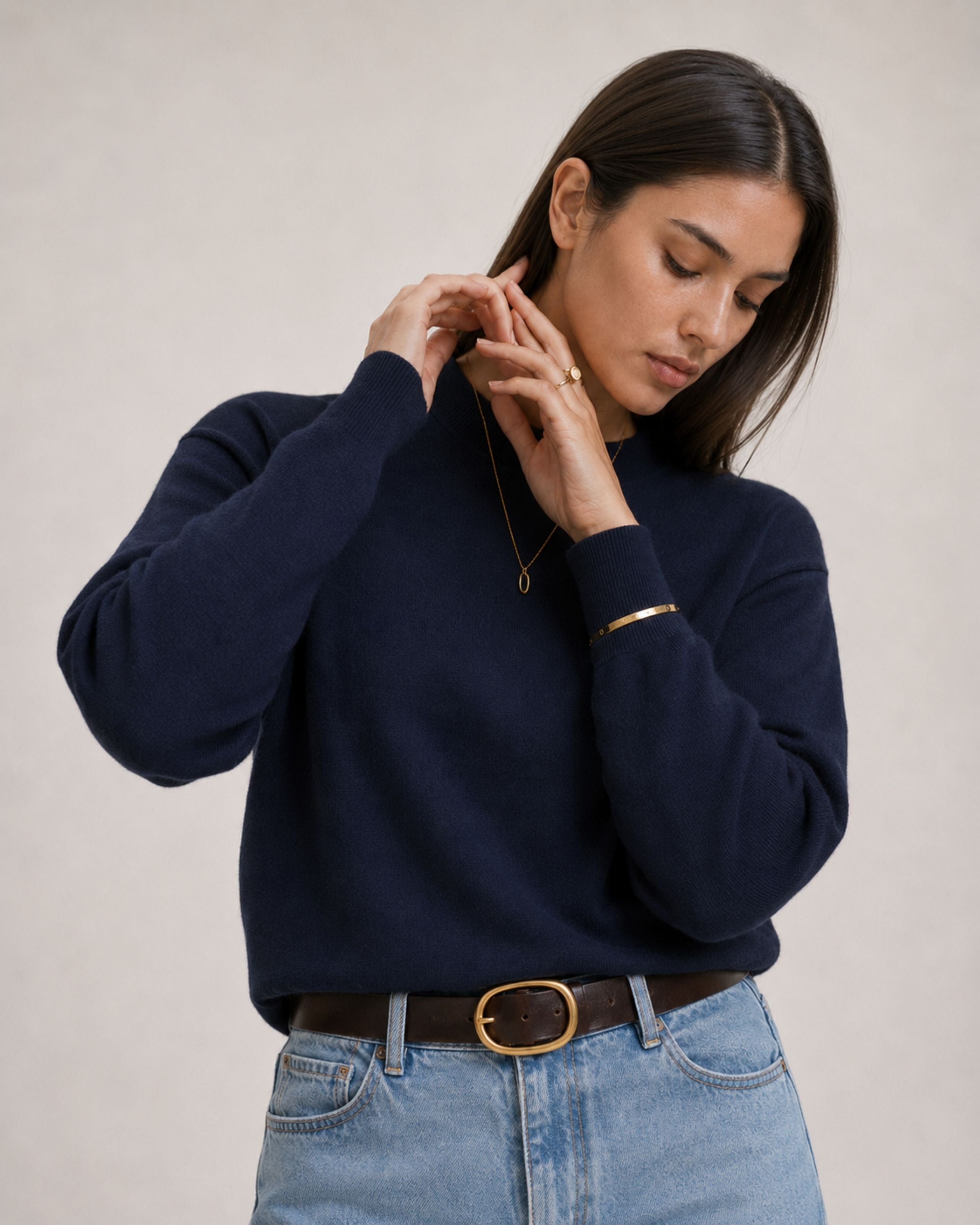
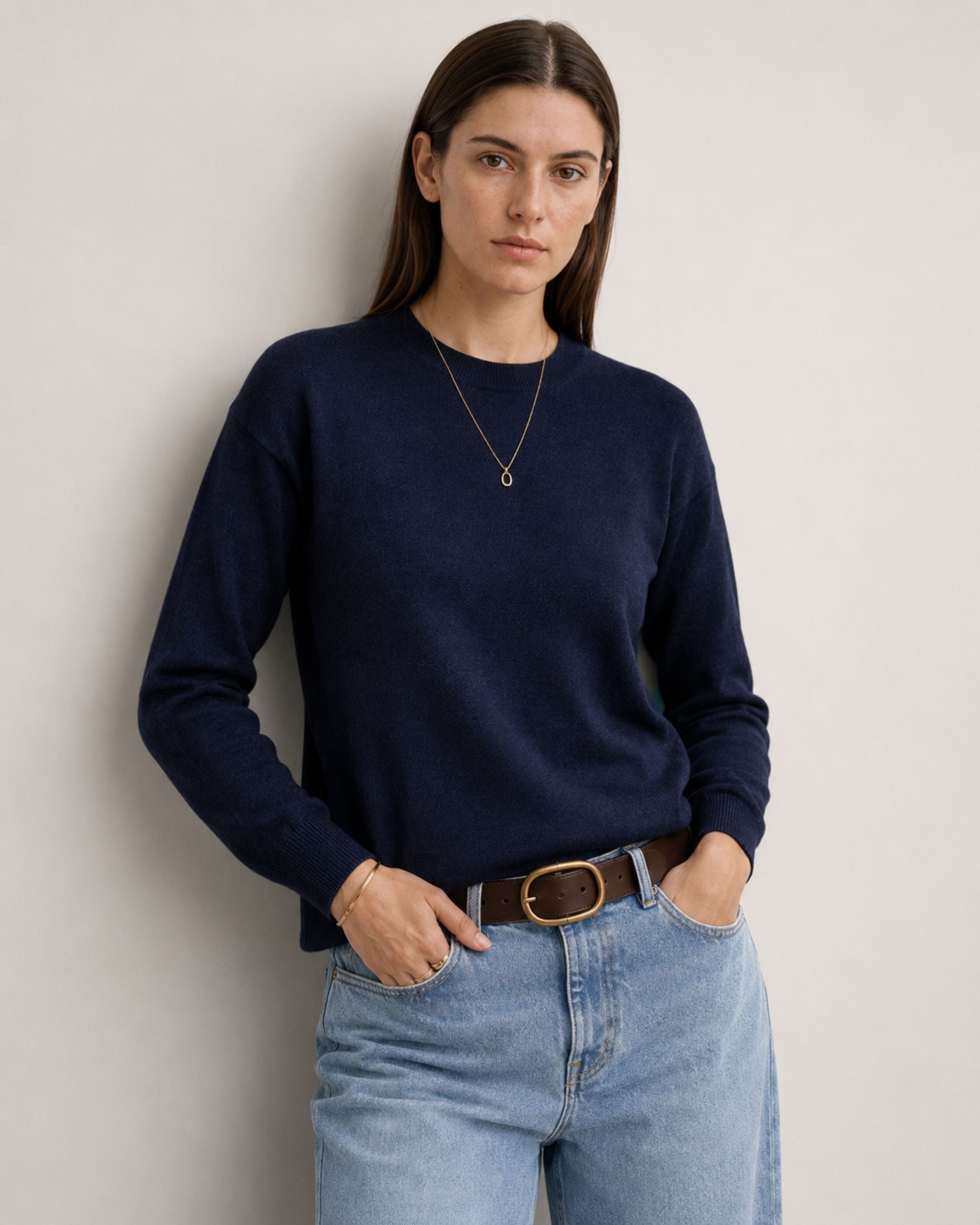
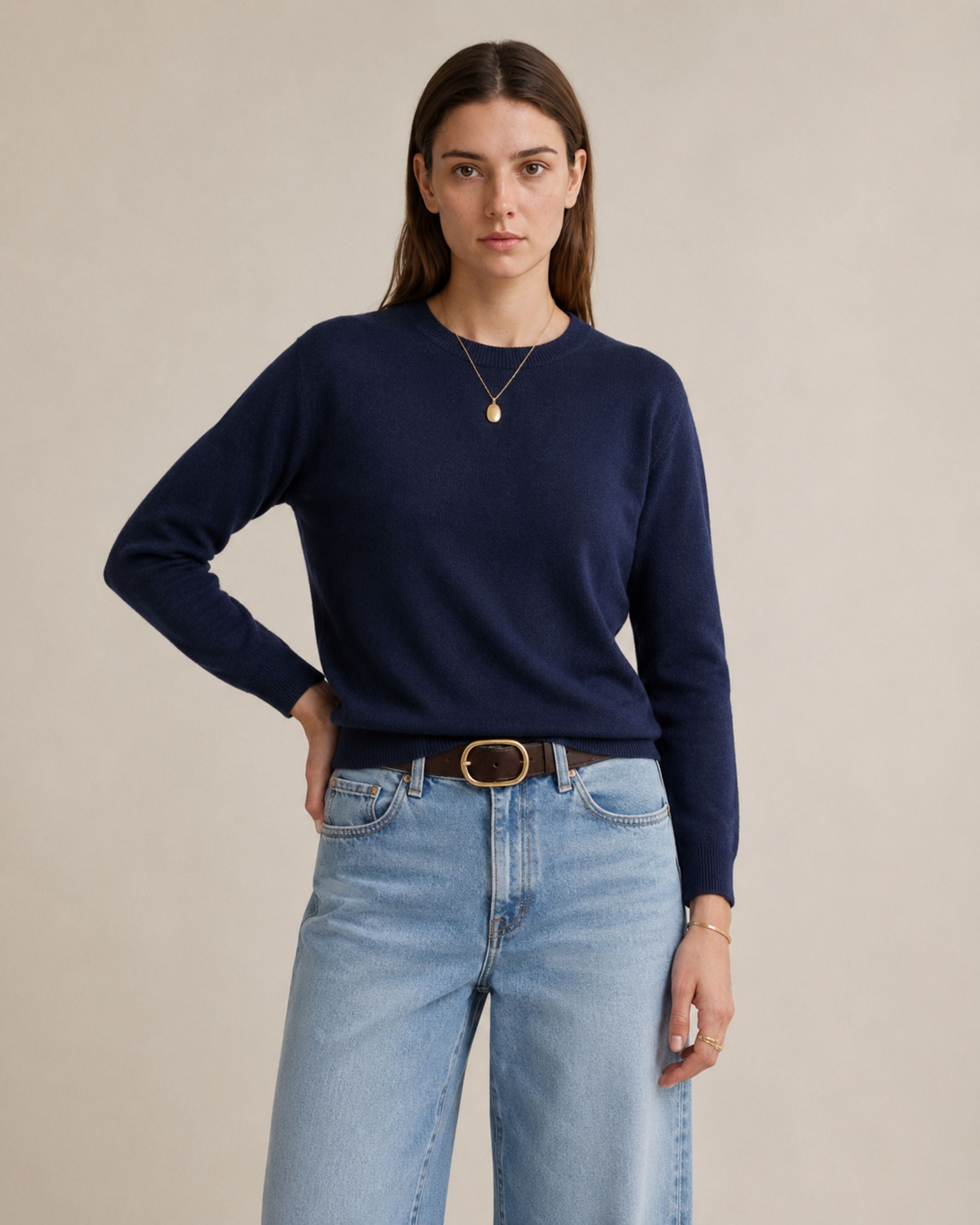
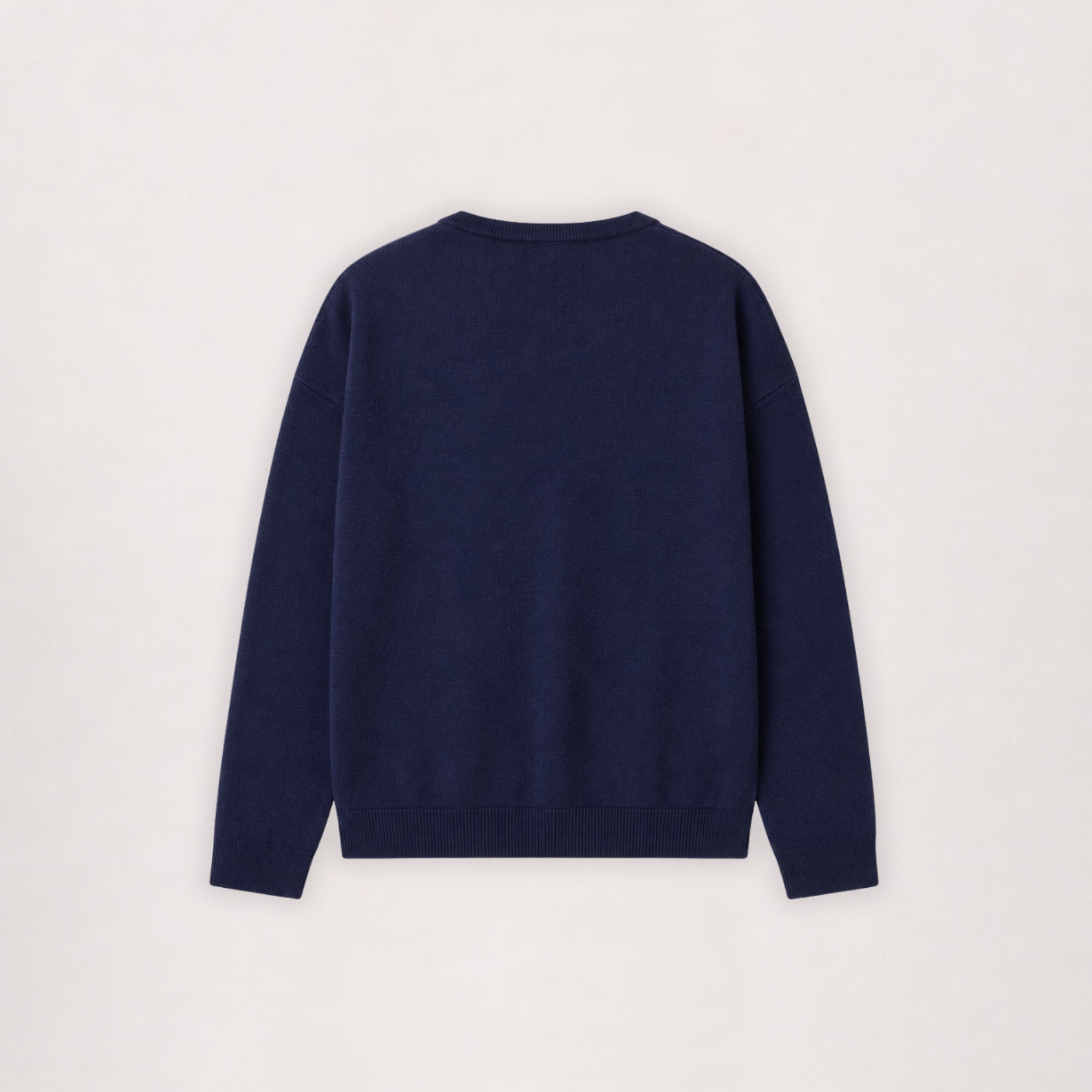
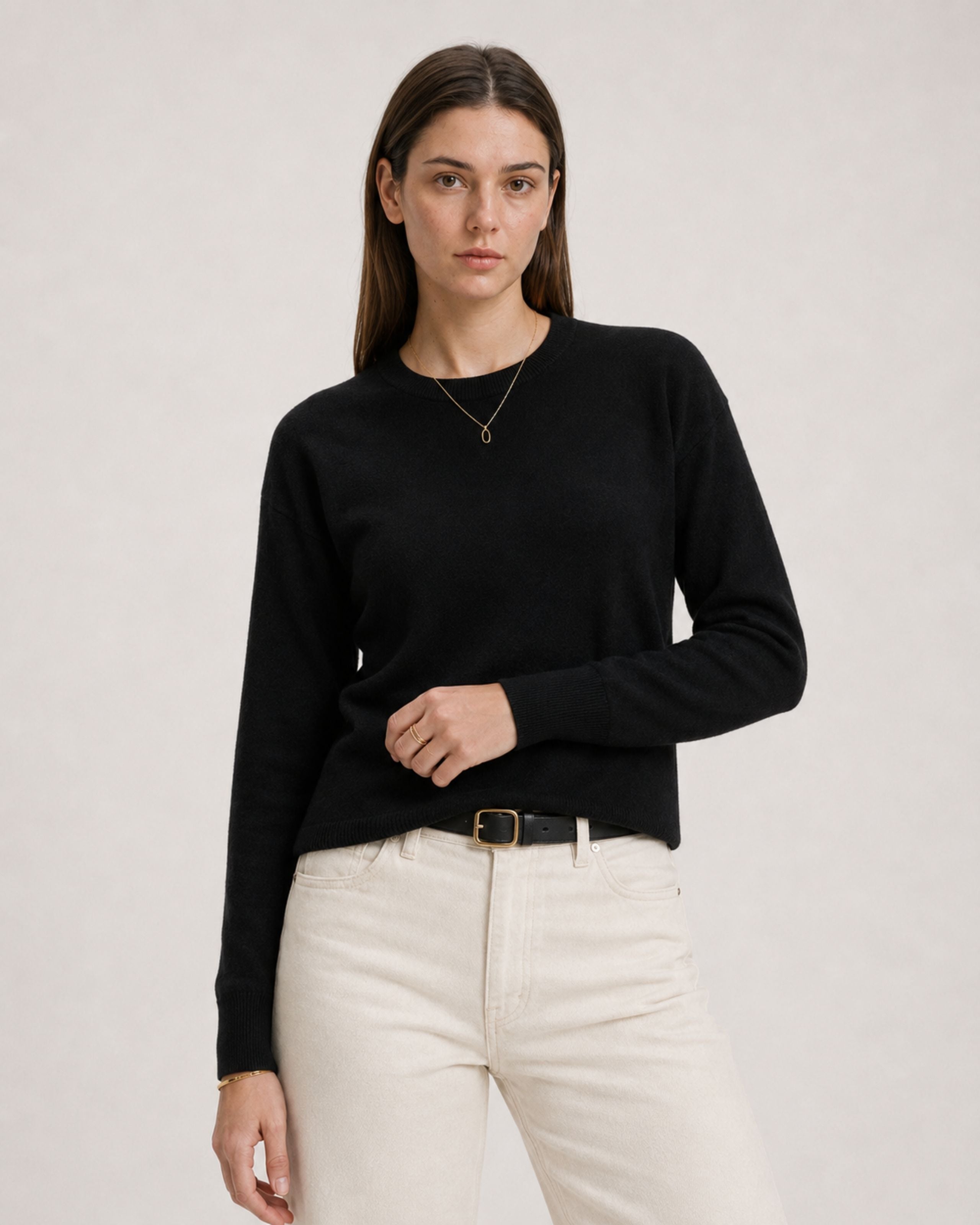
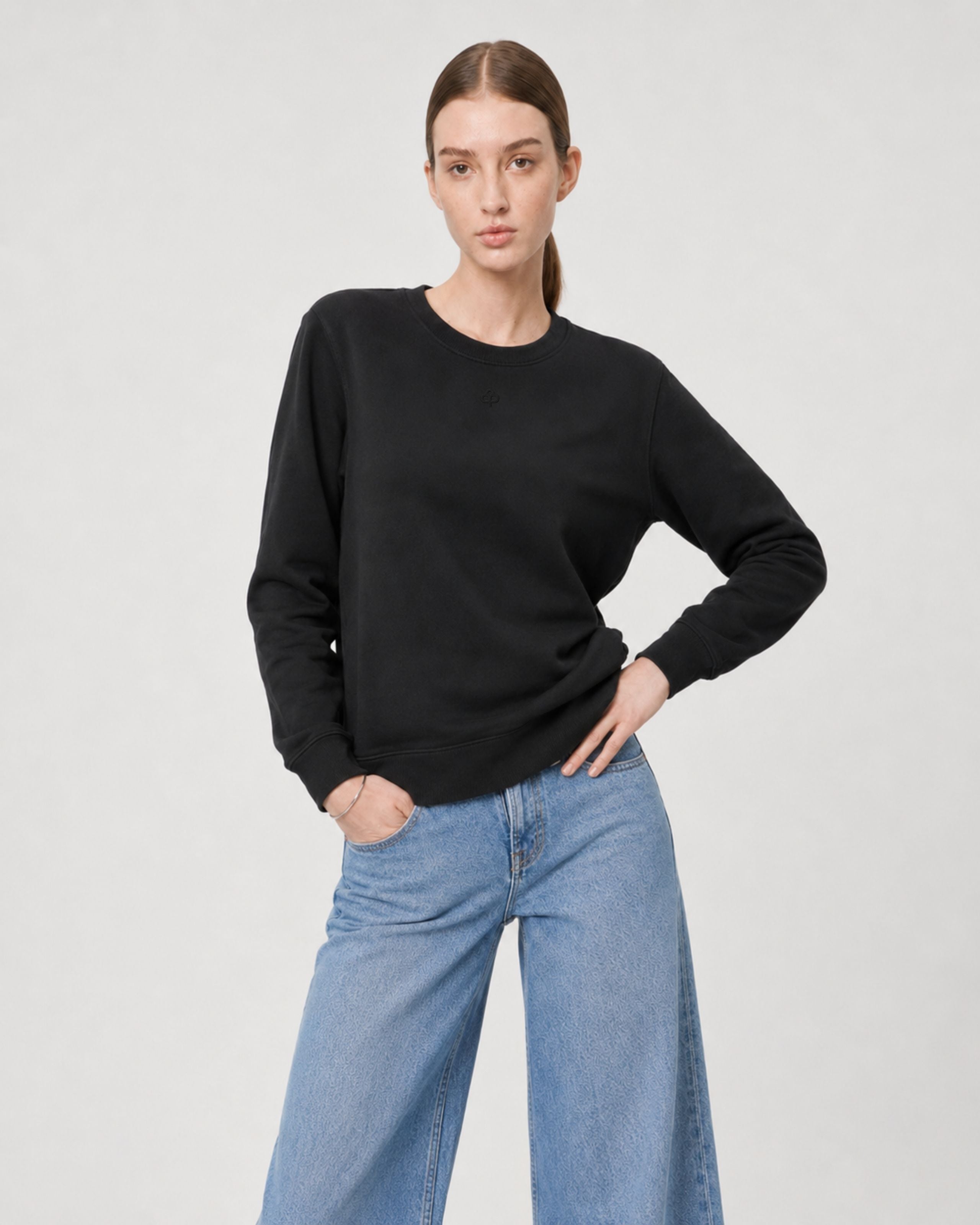
Winter doesn't require more clothes. It requires clothes that work in combination. One Merino base layer, a linen mid layer, a structured knit over the top that's three pieces covering a morning walk, a full work day, and dinner. Natural fibres make this possible because they regulate temperature actively: they move moisture when you're warm, insulate when you're cool, and don't trap heat between layers the way synthetics can. Ten well-chosen pieces in Merino, linen, and cotton can produce more outfit combinations than thirty mismatched ones.
Why natural fibres layer better than synthetics
The difference between a natural fibre layer system and a synthetic one comes down to how moisture and heat move through the fabric. Merino wool, linen, and cotton are hygroscopic, which means they can absorb and release moisture vapour in response to your skin and the air around you. Many synthetics behave differently, sometimes trapping heat and moisture against your skin or creating that clammy feeling under multiple layers.
When you layer a merino base layer under a linen shirt and add a merino cardigan, each layer has a role. Moisture can move through the system, so you stay more comfortable whether you are moving between your heated apartment and cool Barcelona streets, or sitting still indoors. The advantage of natural fibres is that they can manage temperature and moisture at the same time without relying on heavy bulk.
Merino also helps resist odour, meaning fewer odours develop between washes. That matters when you are layering: you can often wear the same base layer several times before washing it, and the mid layer linen shirt can last even longer between washes. This reduces laundry frequency and extends the life of each piece.
The base layer: why merino is the right choice
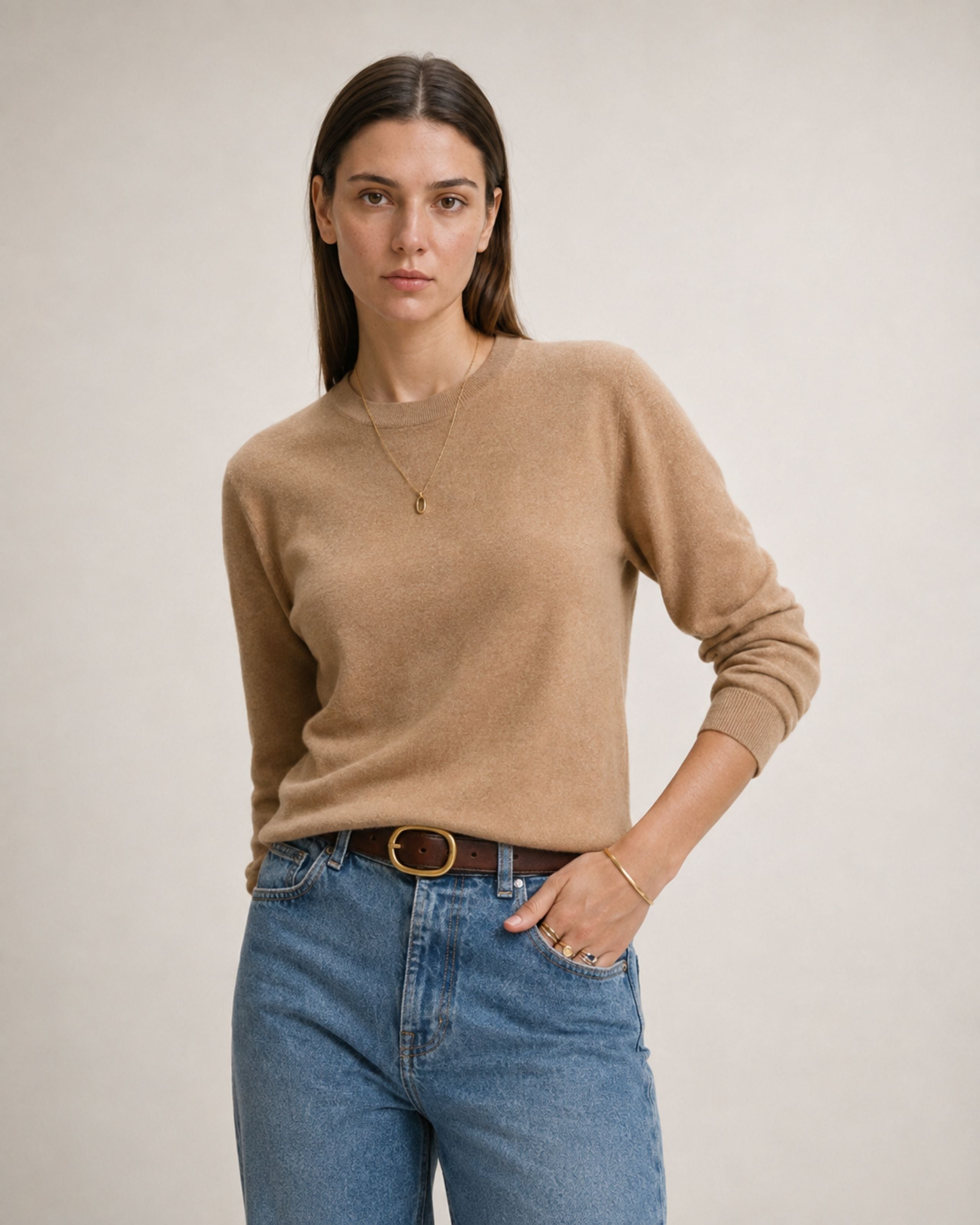
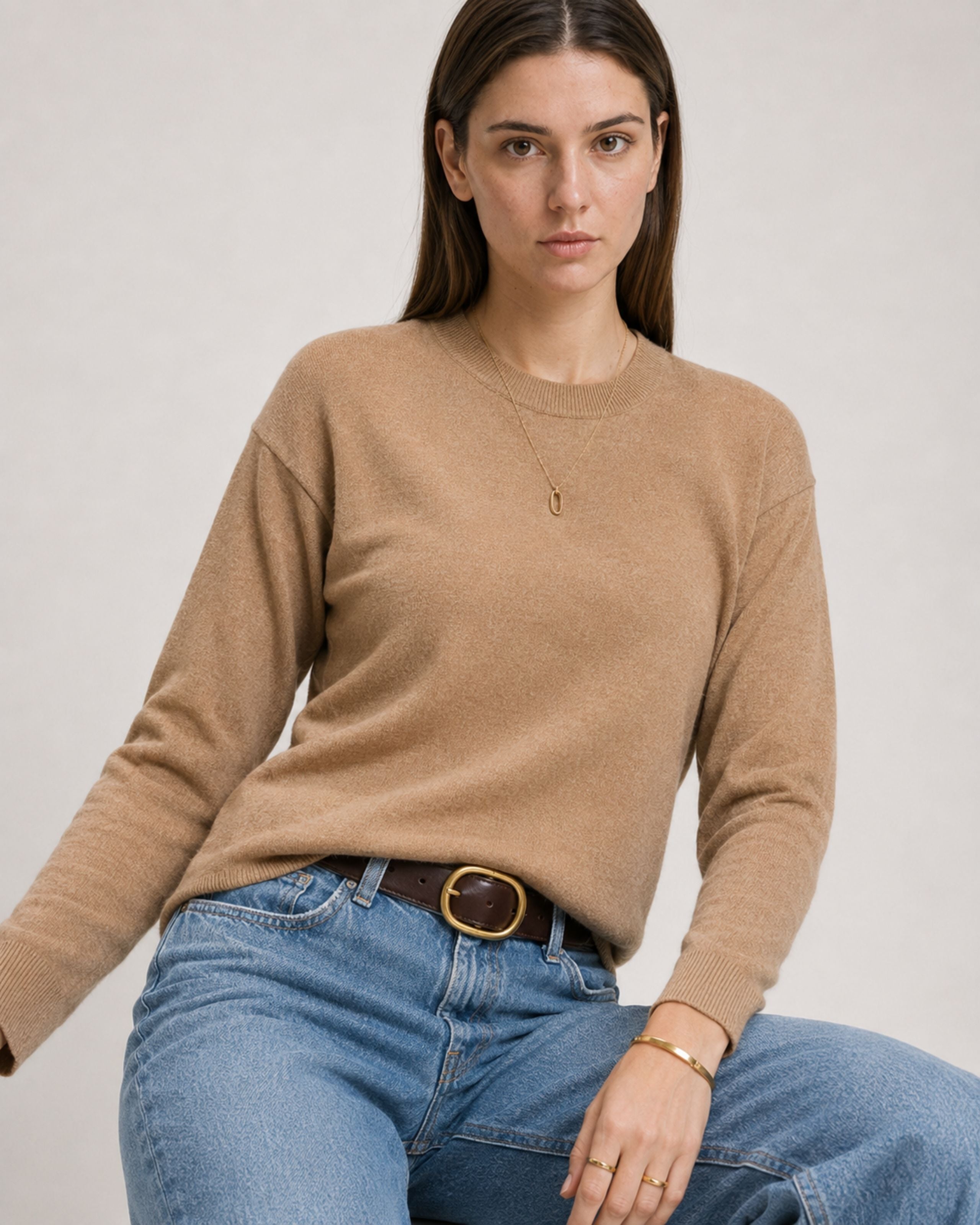
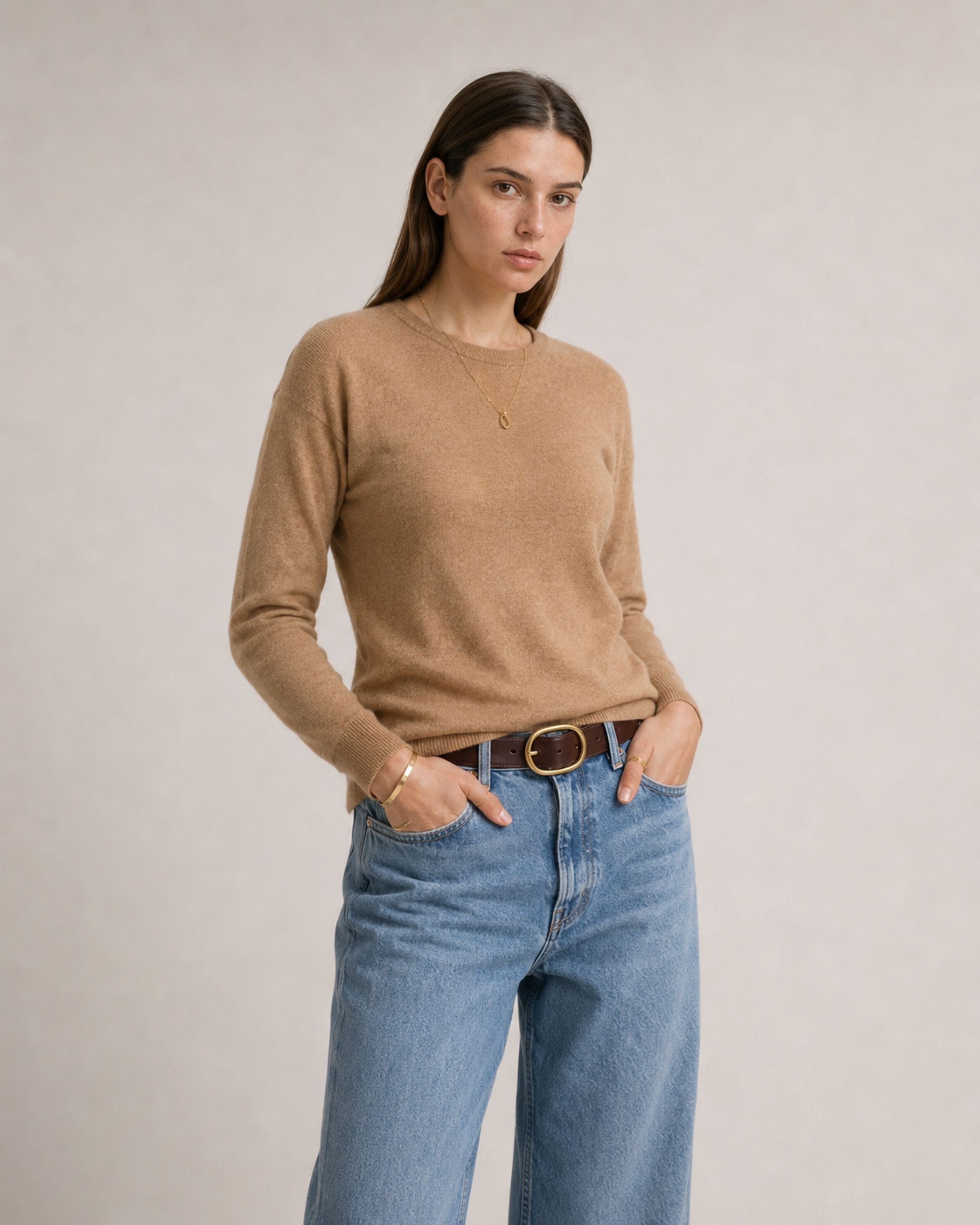
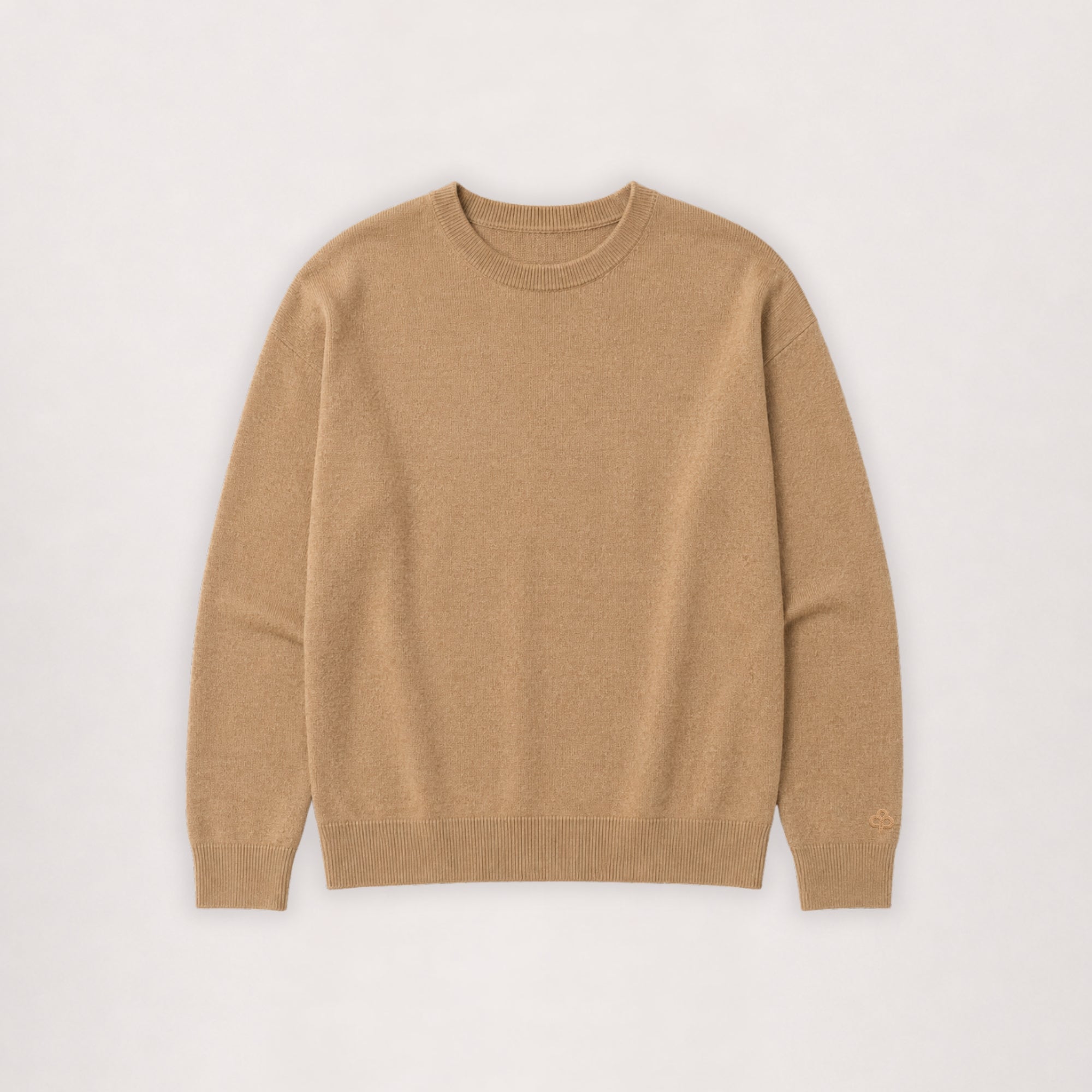
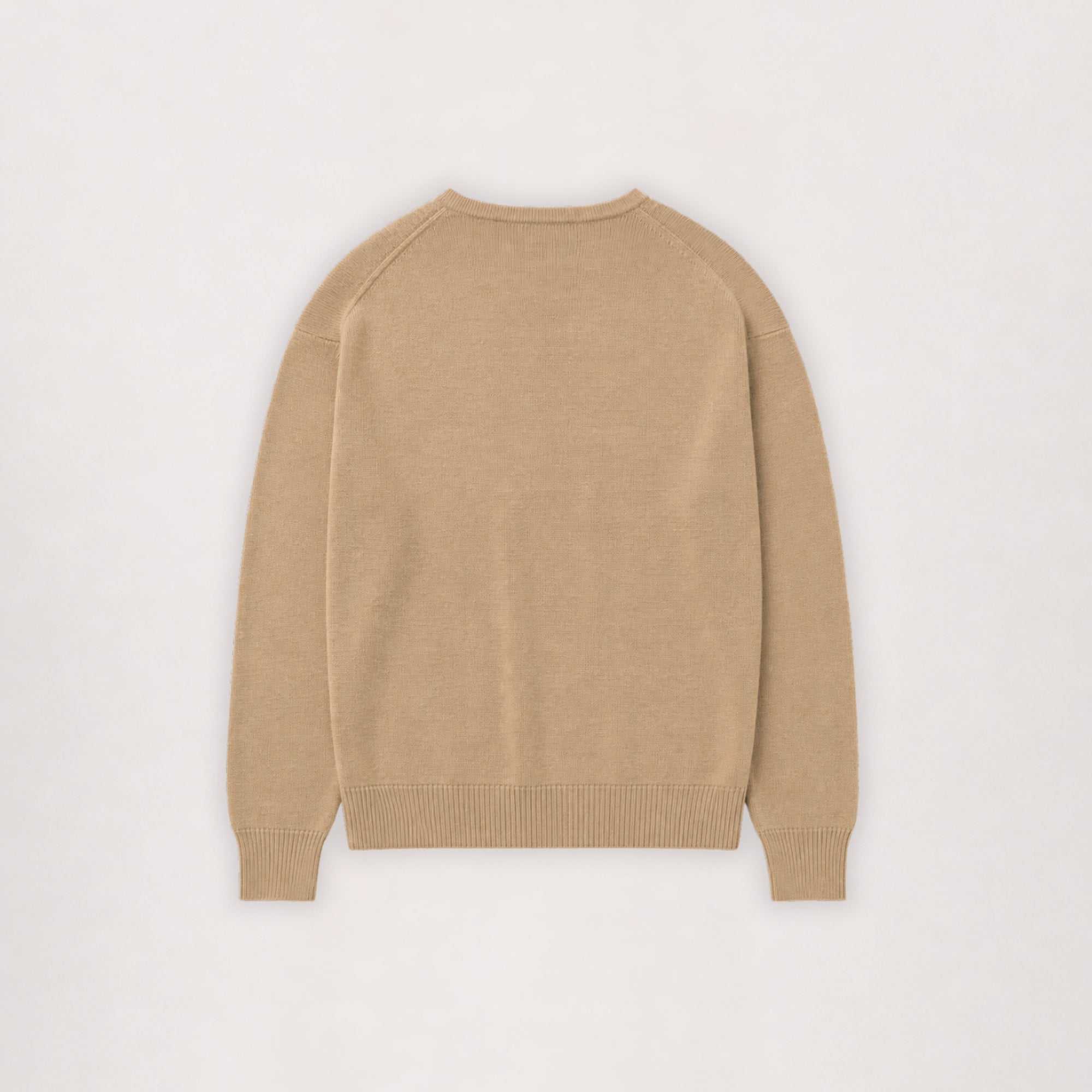
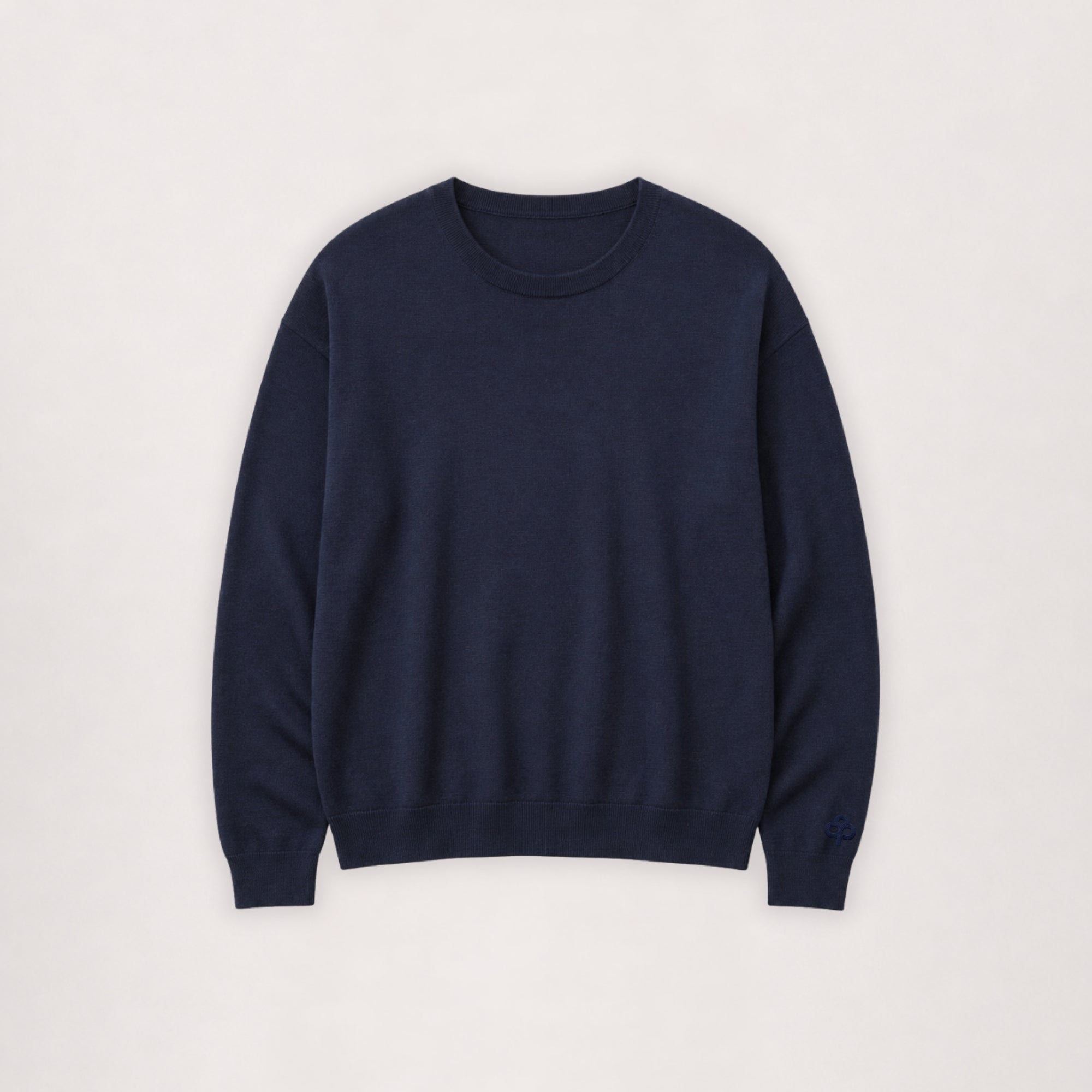
A good base layer sits against your skin and does one job: move moisture away while staying comfortable. Merino wool at 18 microns or finer (like our extrafine Merino from Sompunt in Lleida) feels soft against skin, not scratchy. This matters because you'll wear it for hours, and it needs to disappear under your other layers.
Merino's temperature regulation is subtle but useful. It keeps you warm without overheating, which is exactly what you need in a Barcelona winter. You move from a cool morning walk to a heated cafe, and the merino helps buffer the change. It does not lock in heat the way heavier cotton can, and it does not chill you as quickly as some synthetics can.
Because merino resists odour, you can often wear a merino base layer several times before washing. That is not just practical; it supports longevity. Fewer washes mean less water, less detergent, and less degradation of the fibres themselves. A merino crewneck or lightweight layer becomes the workhorse of your winter wardrobe.
The mid layer: linen and cotton's winter role
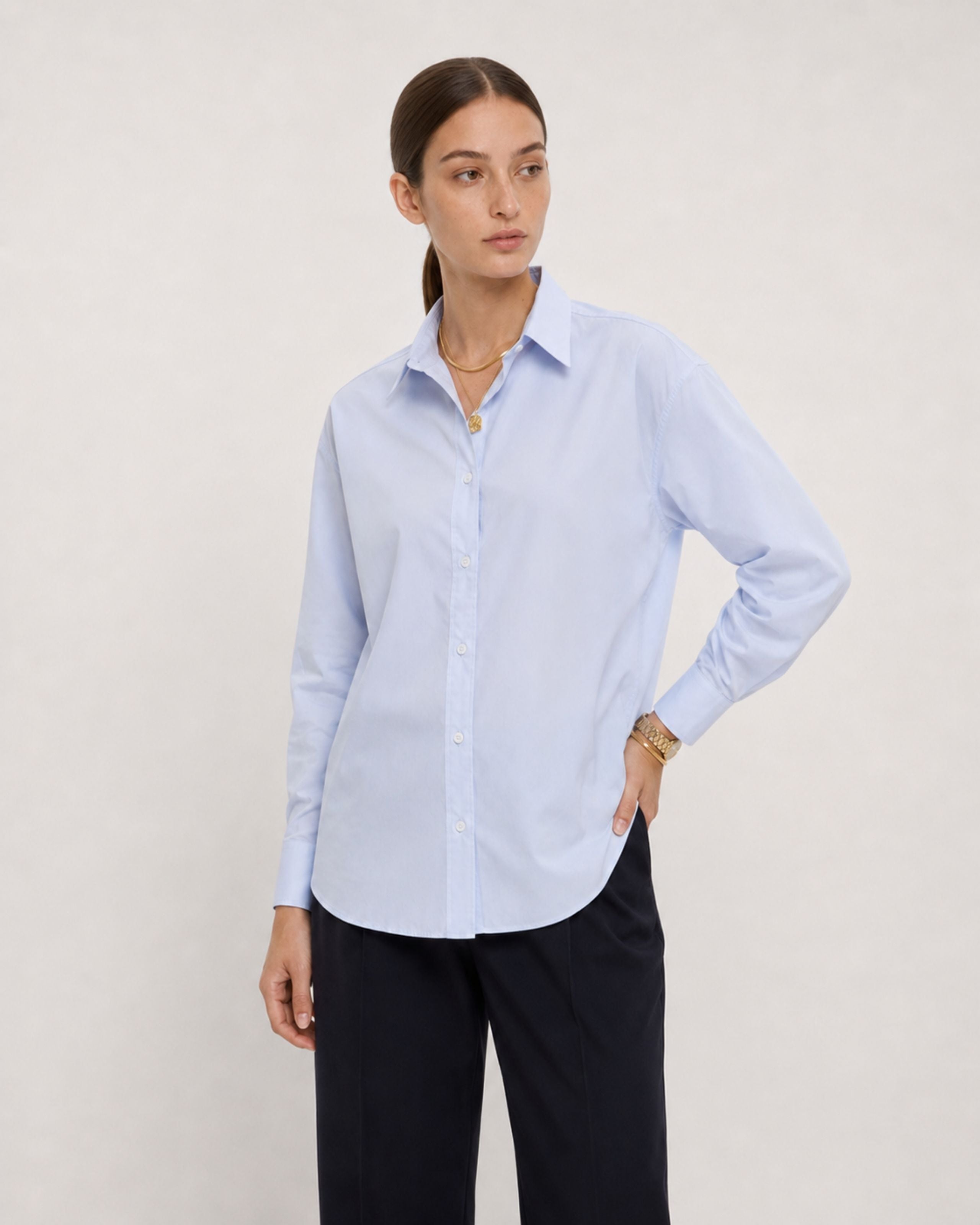
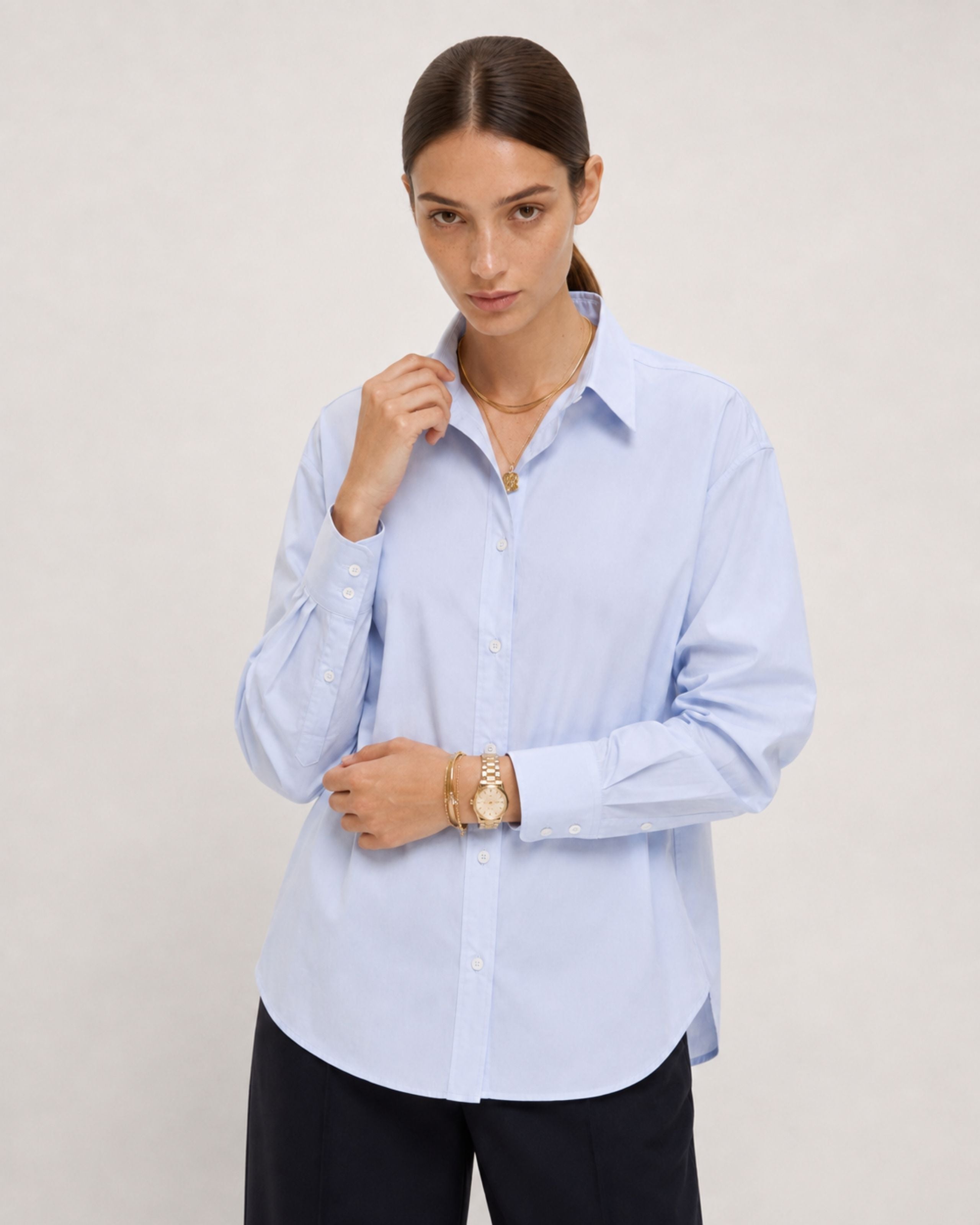
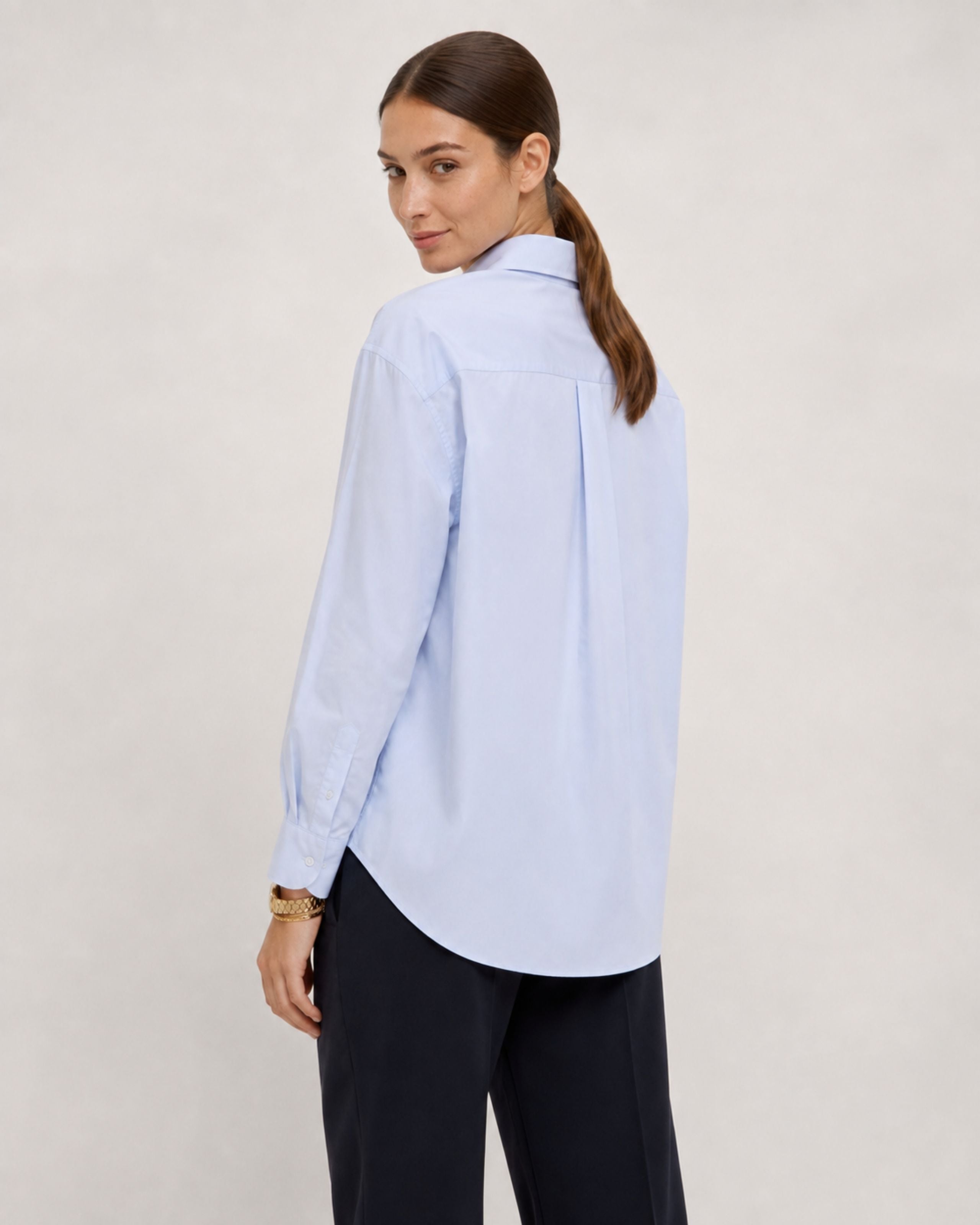
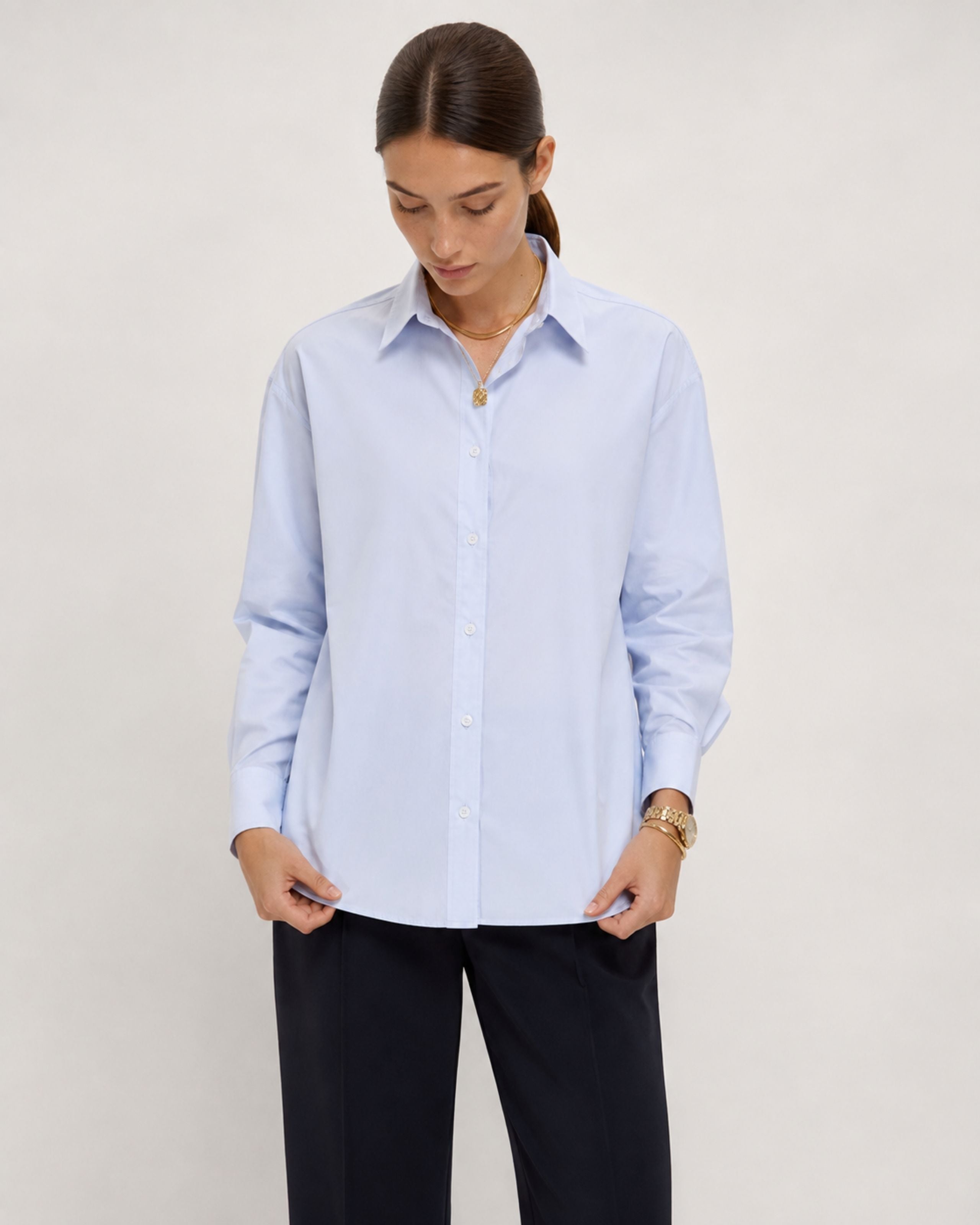
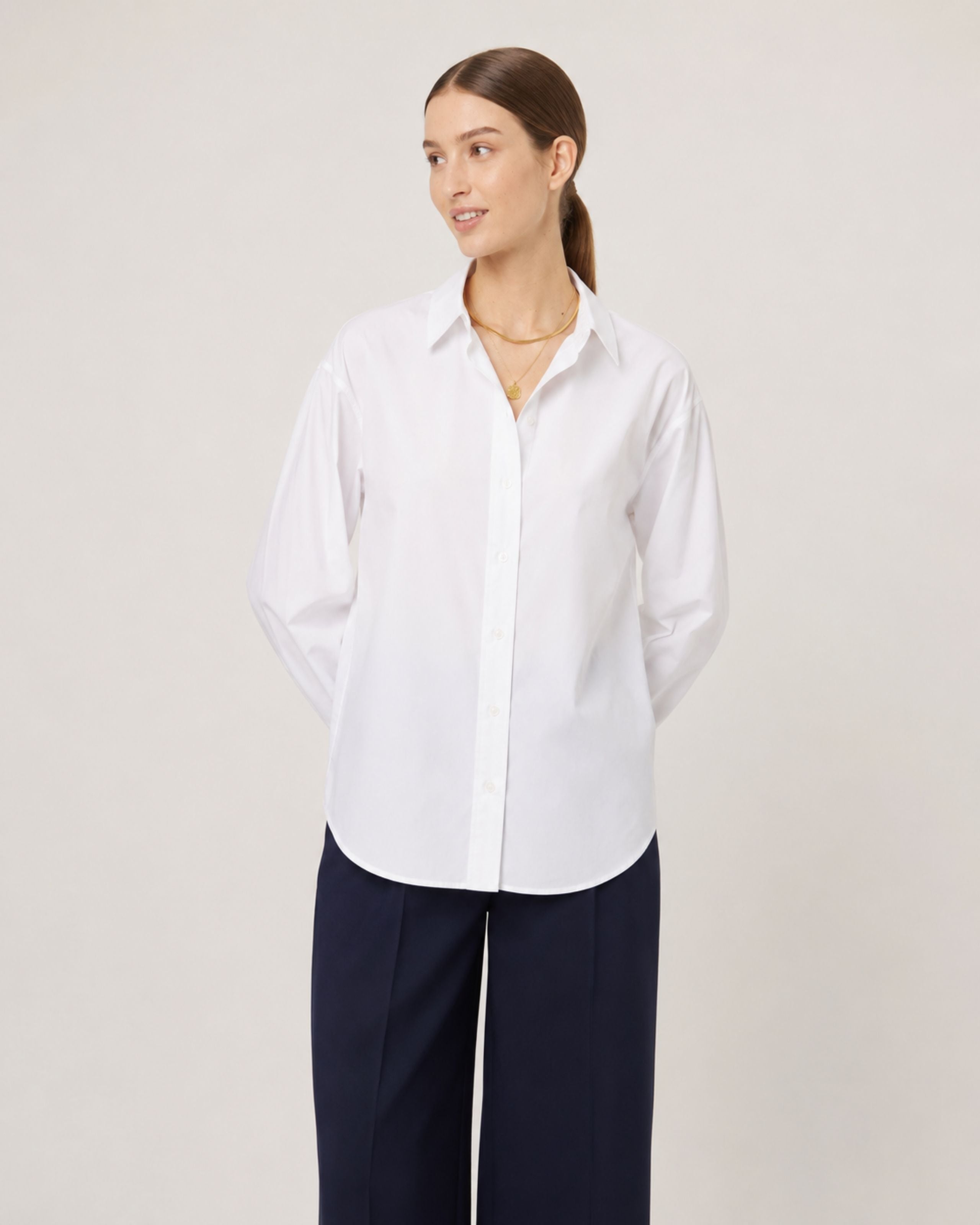
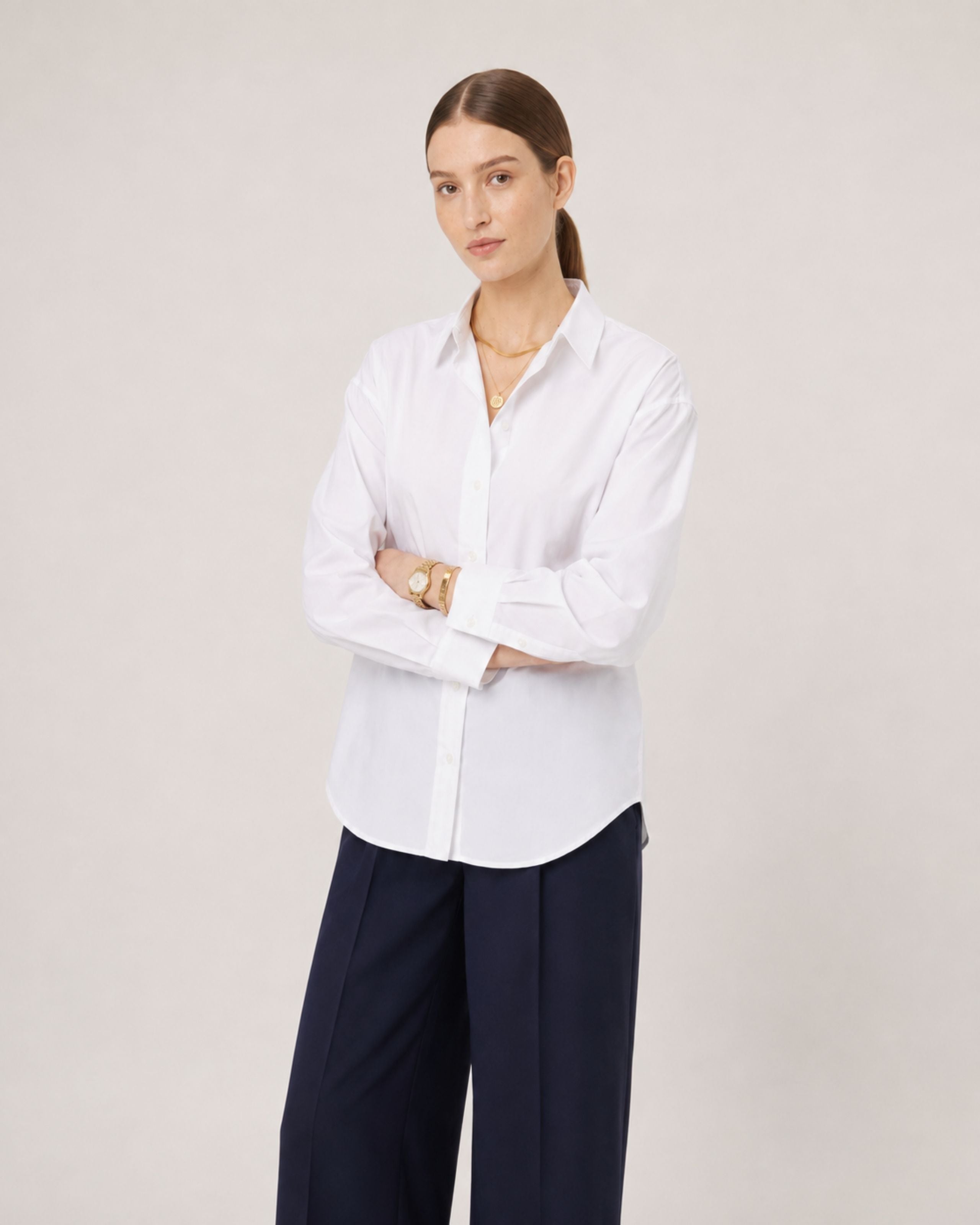
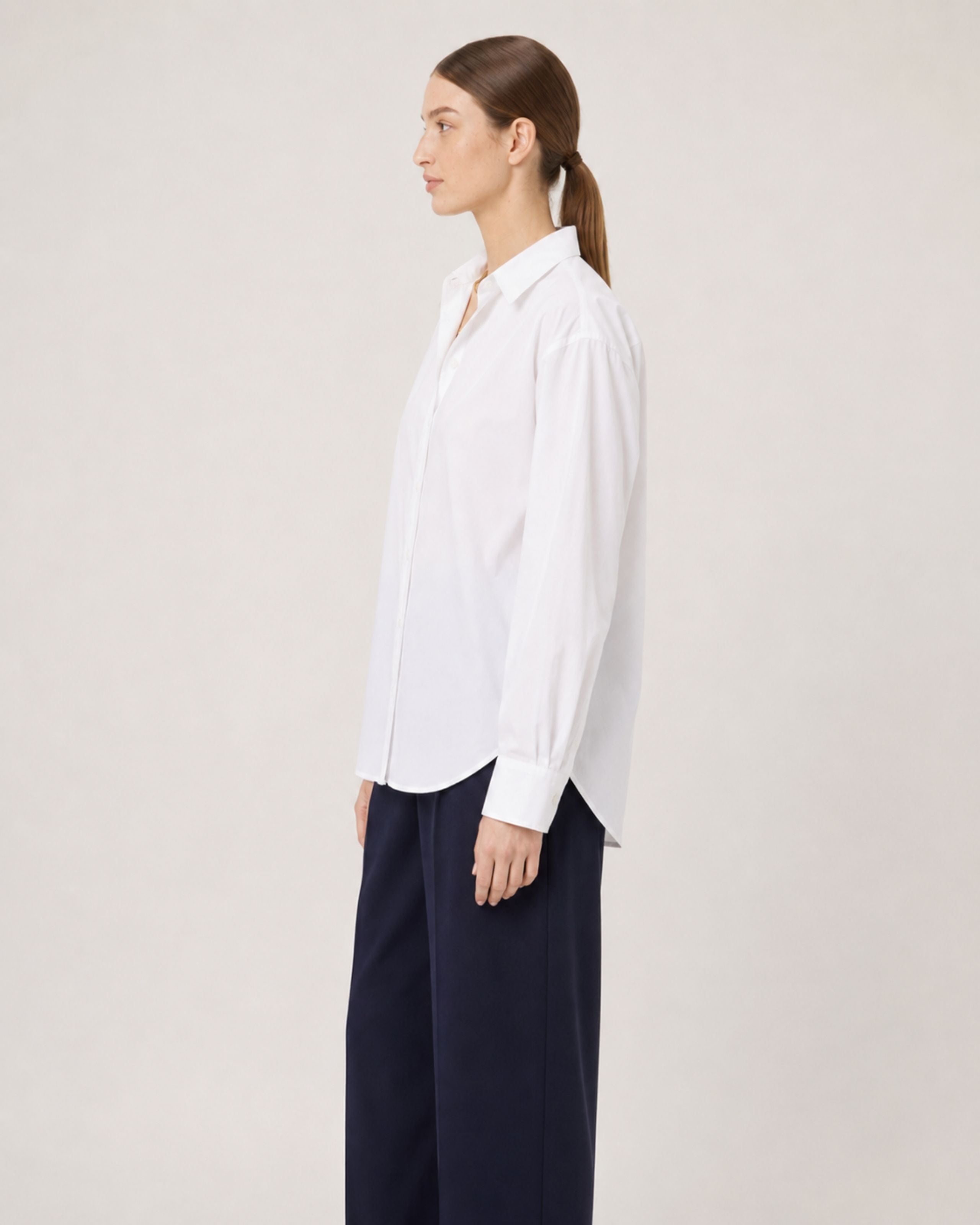
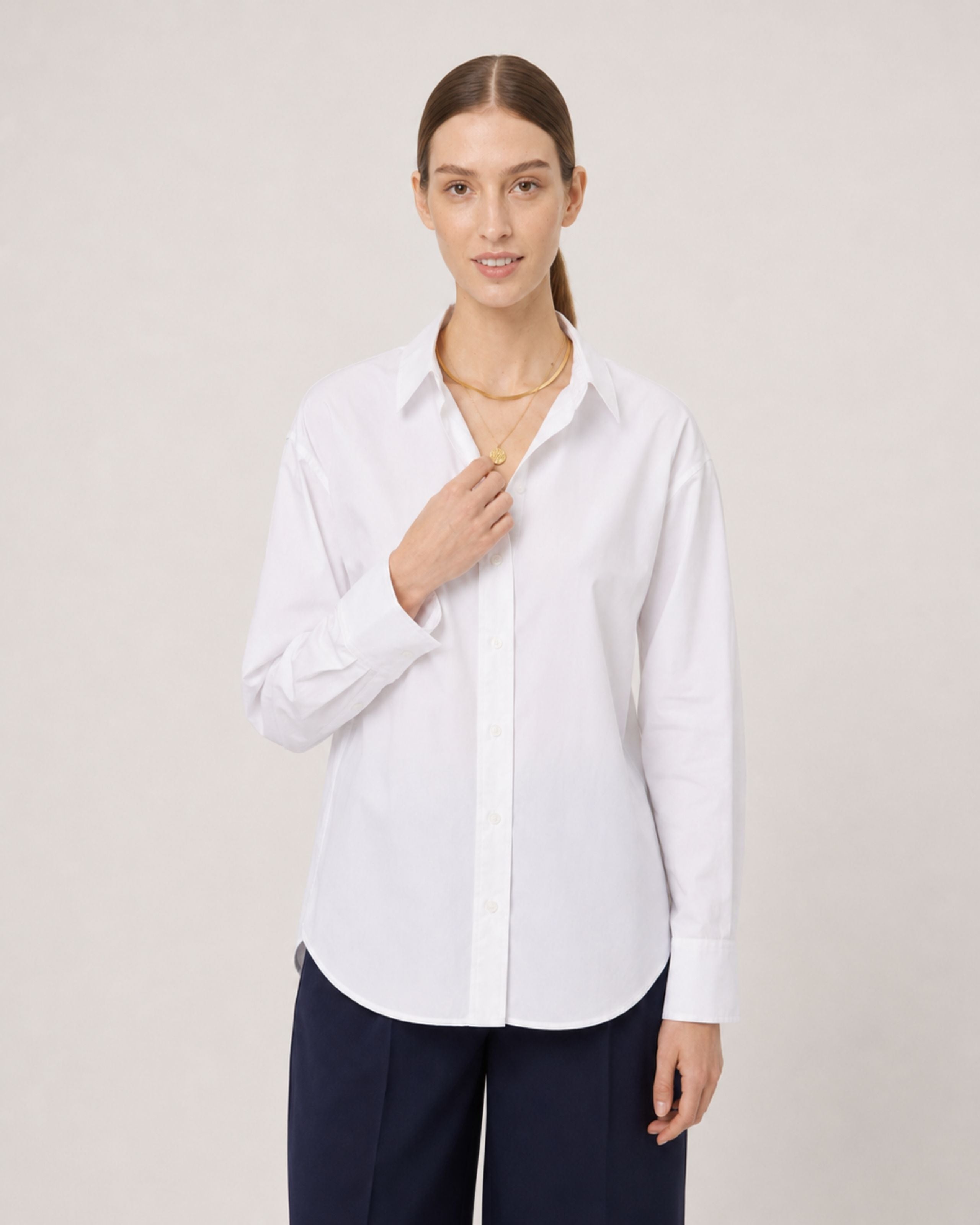
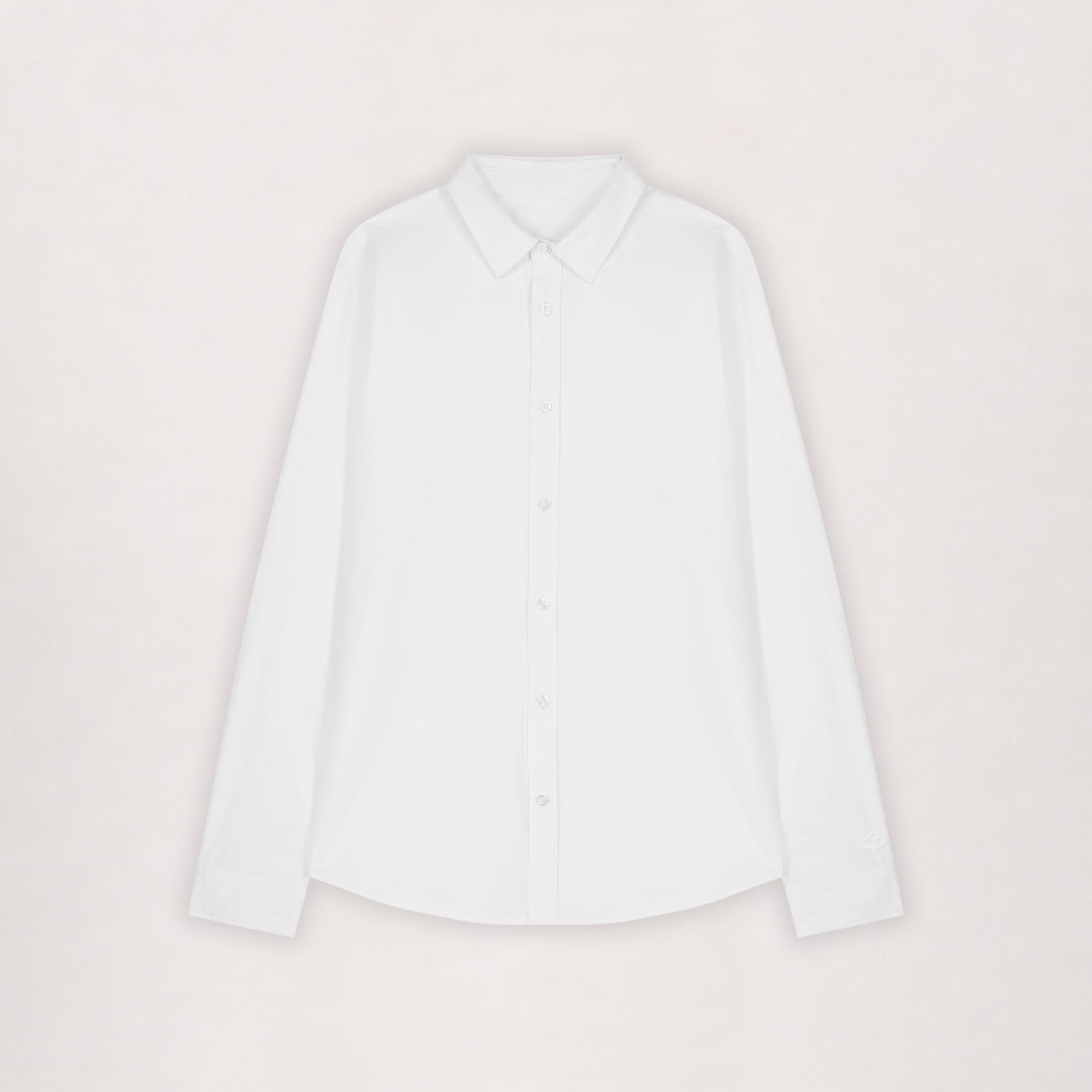
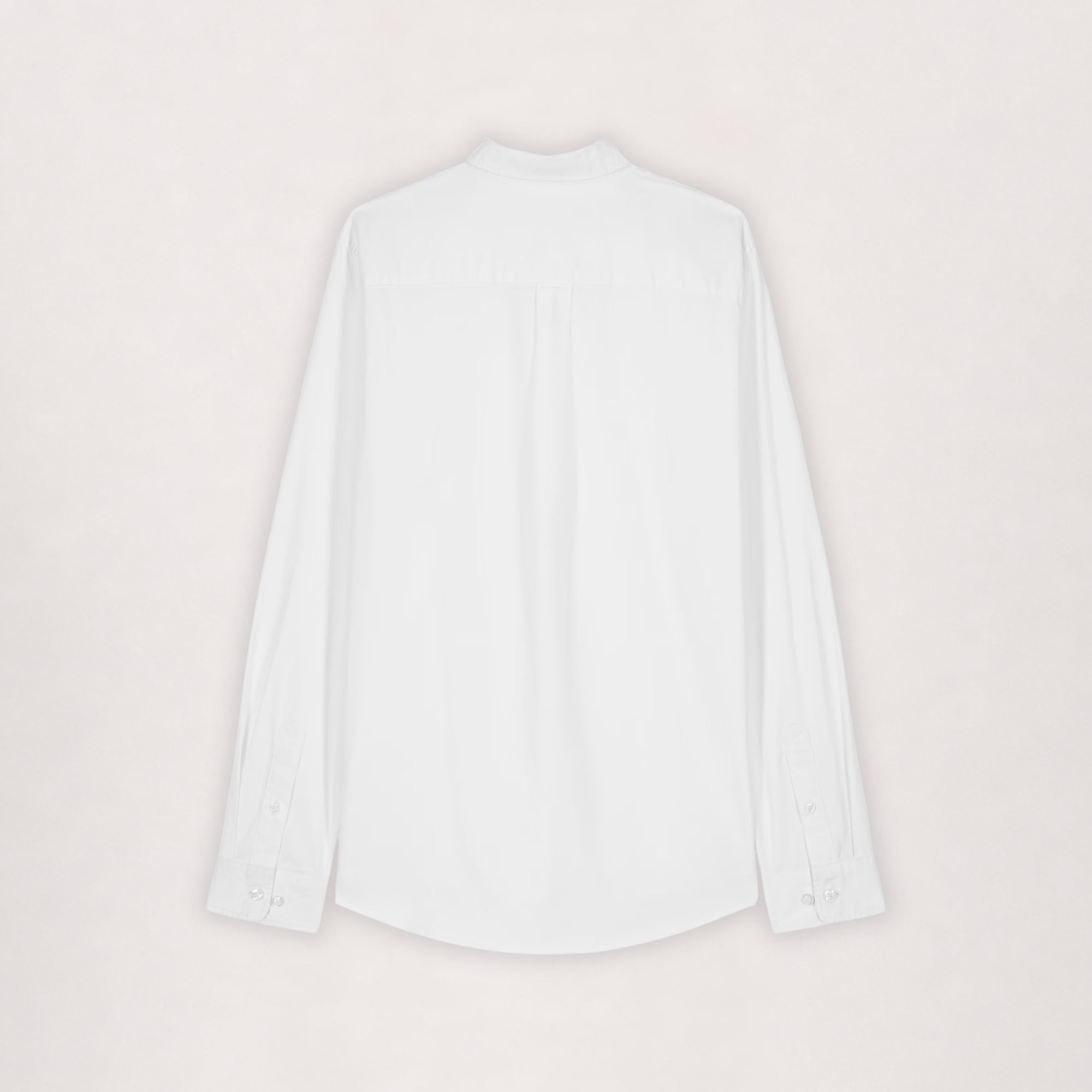
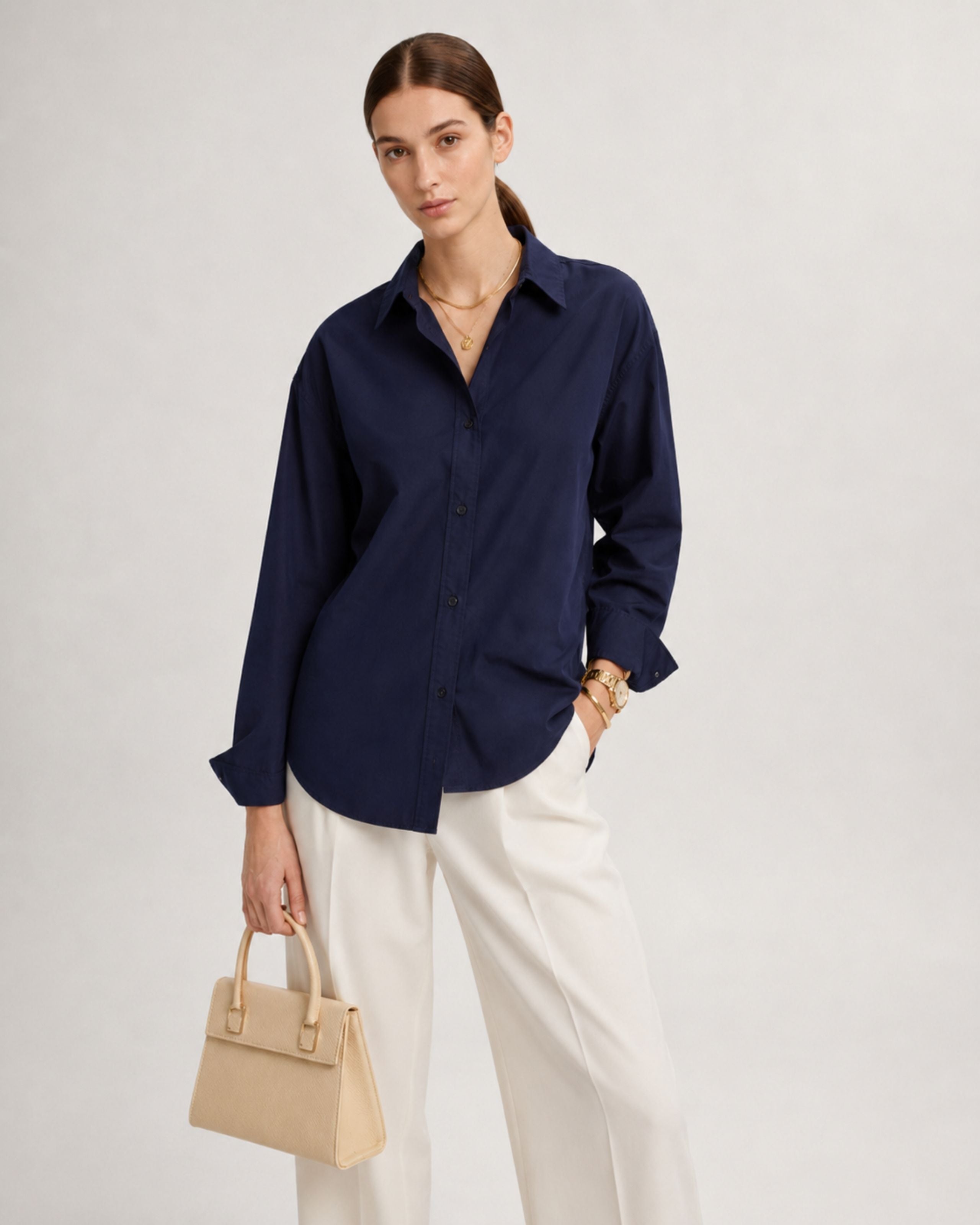
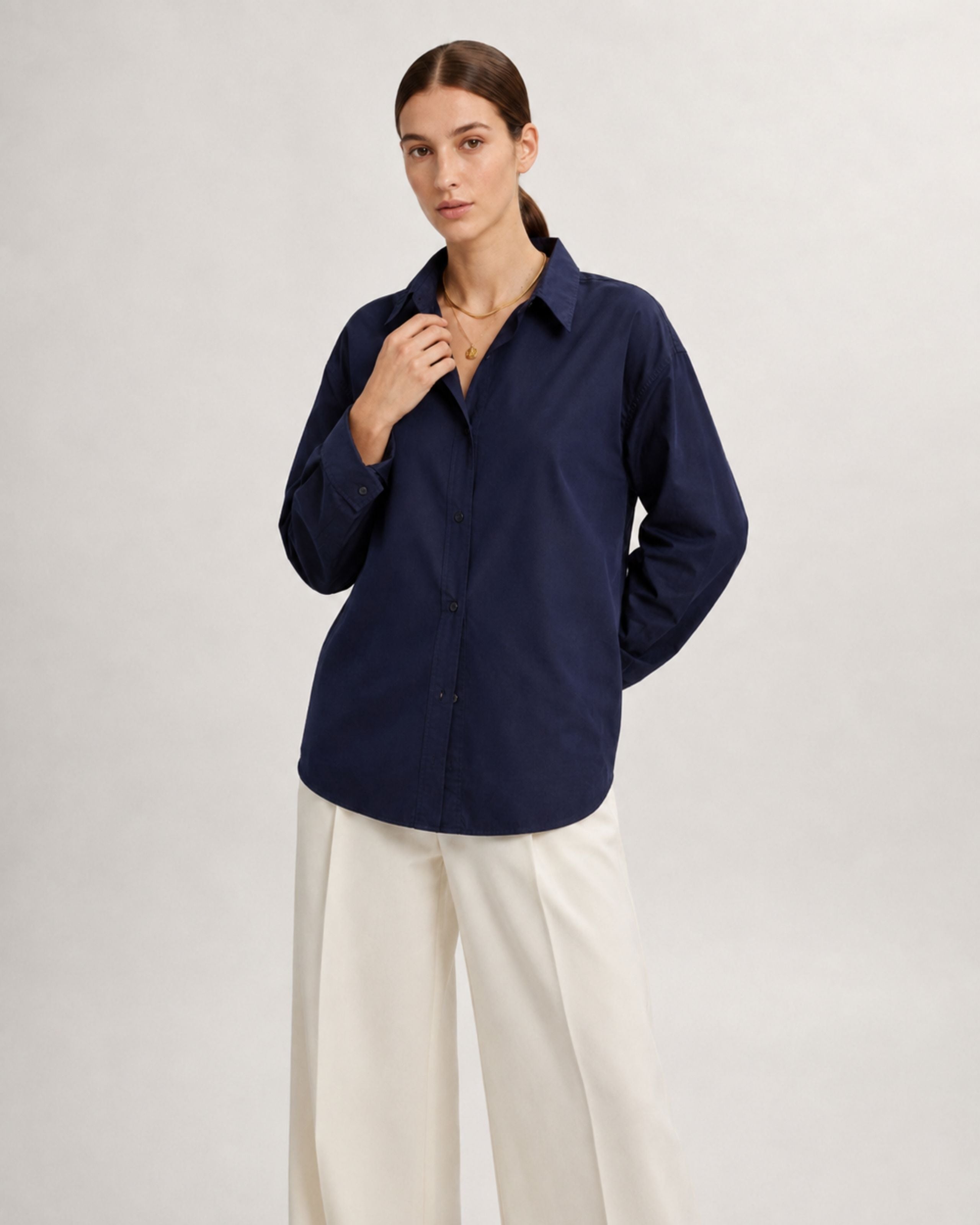
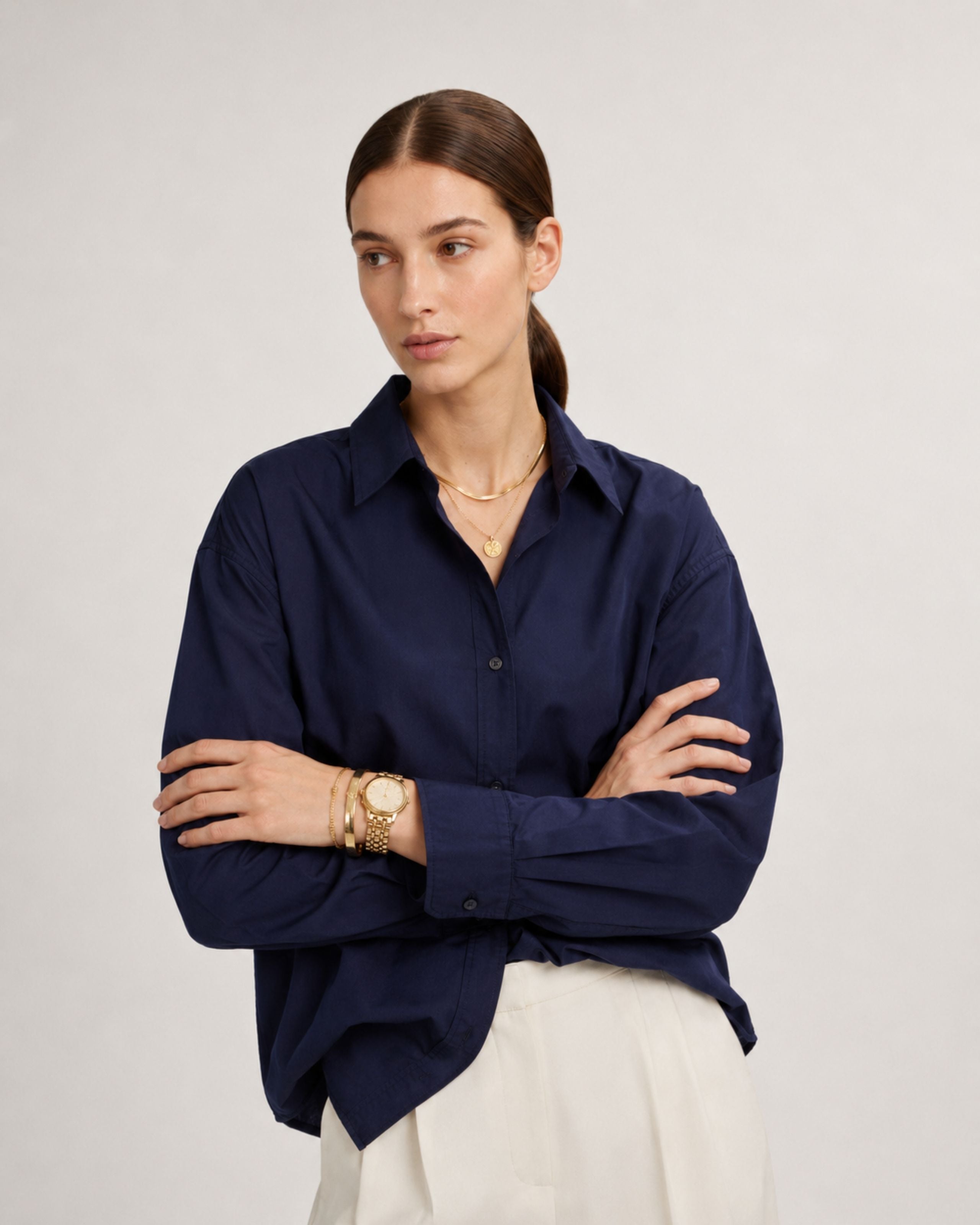
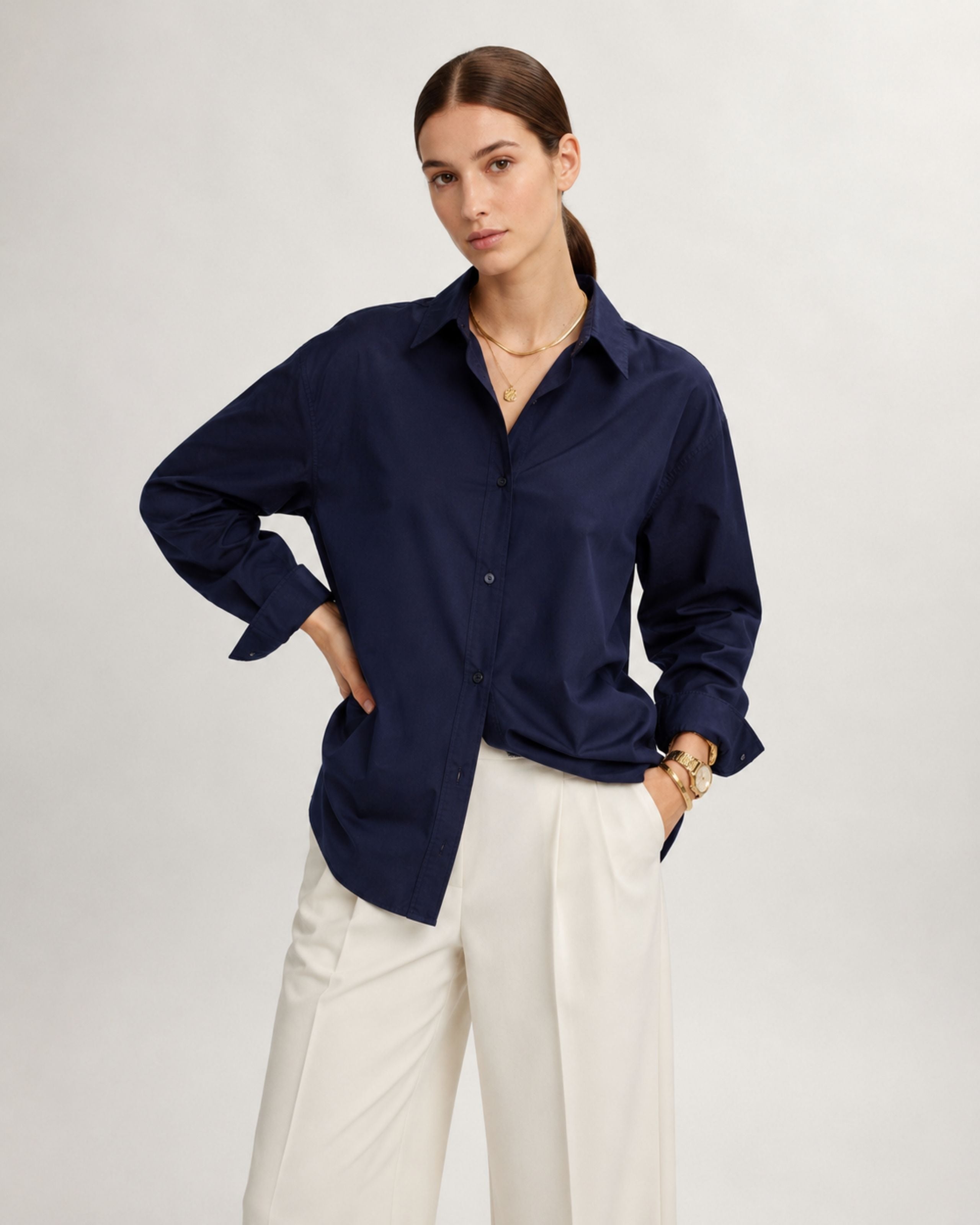
Most people think of linen as a summer fabric, but in a layering system, a linen shirt becomes one of your most versatile pieces. Worn as a mid layer over merino, linen adds structure and visual interest while maintaining the breathability of your whole stack. The linen does not trap moisture the way a heavy cotton twill can, and it does not compress under pressure.
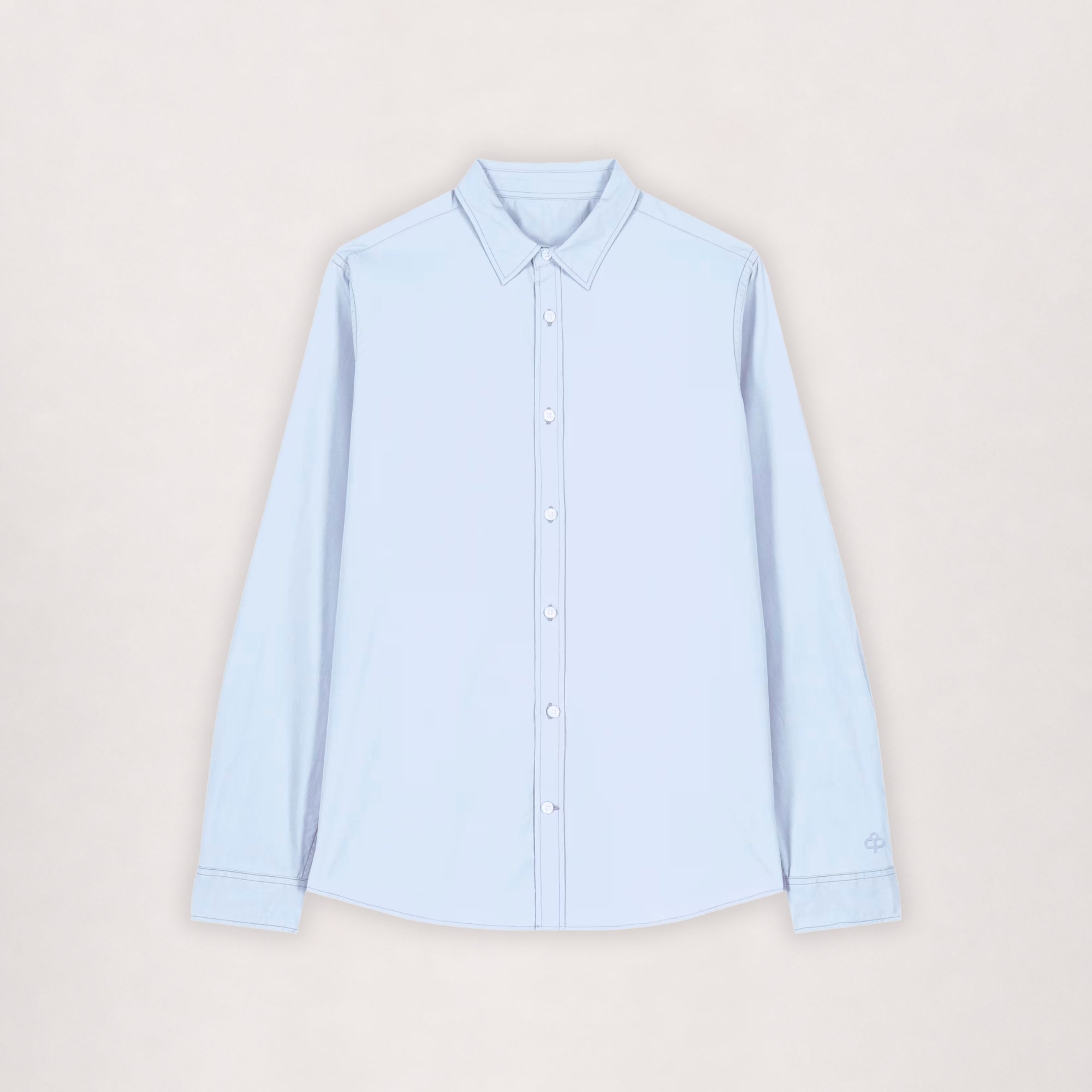
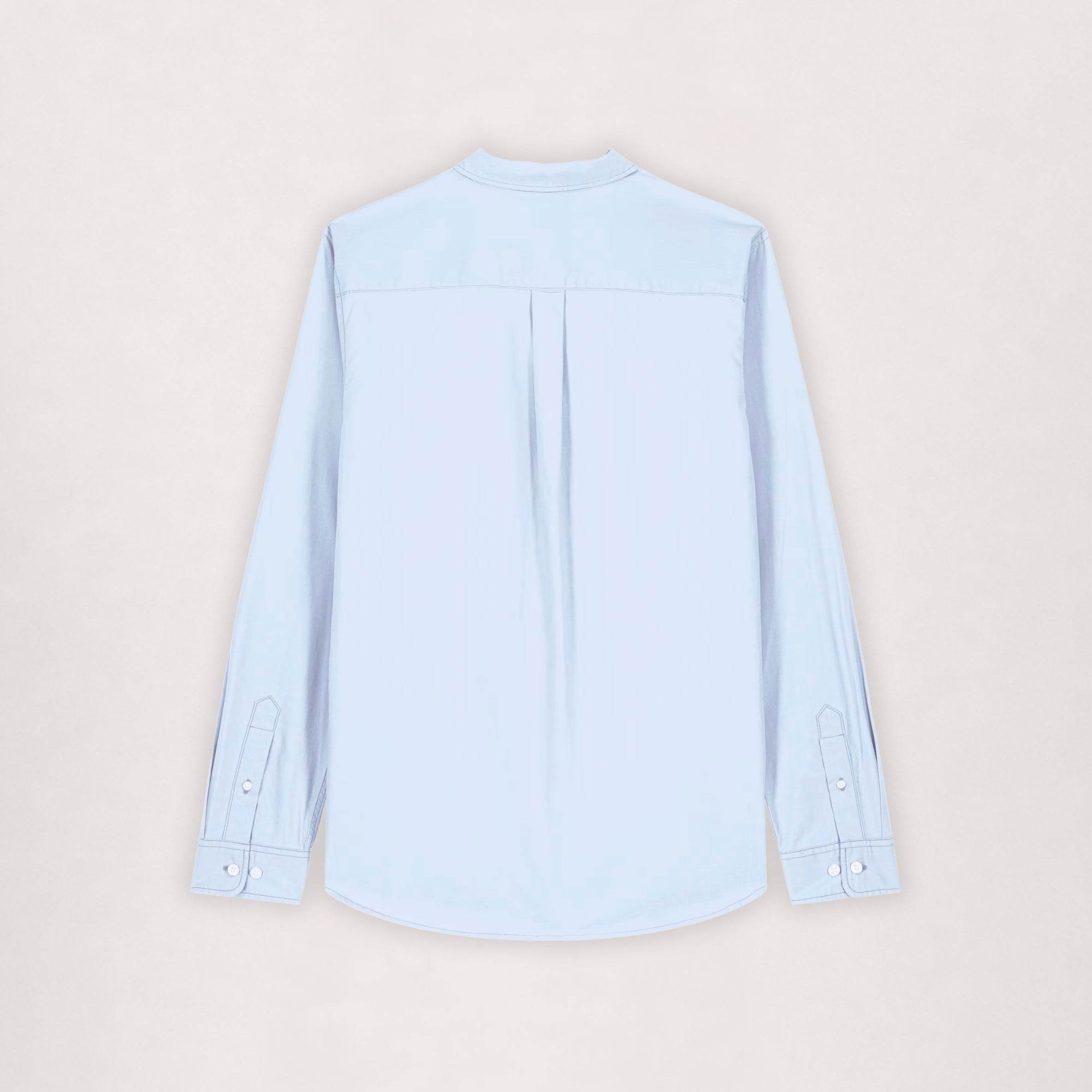
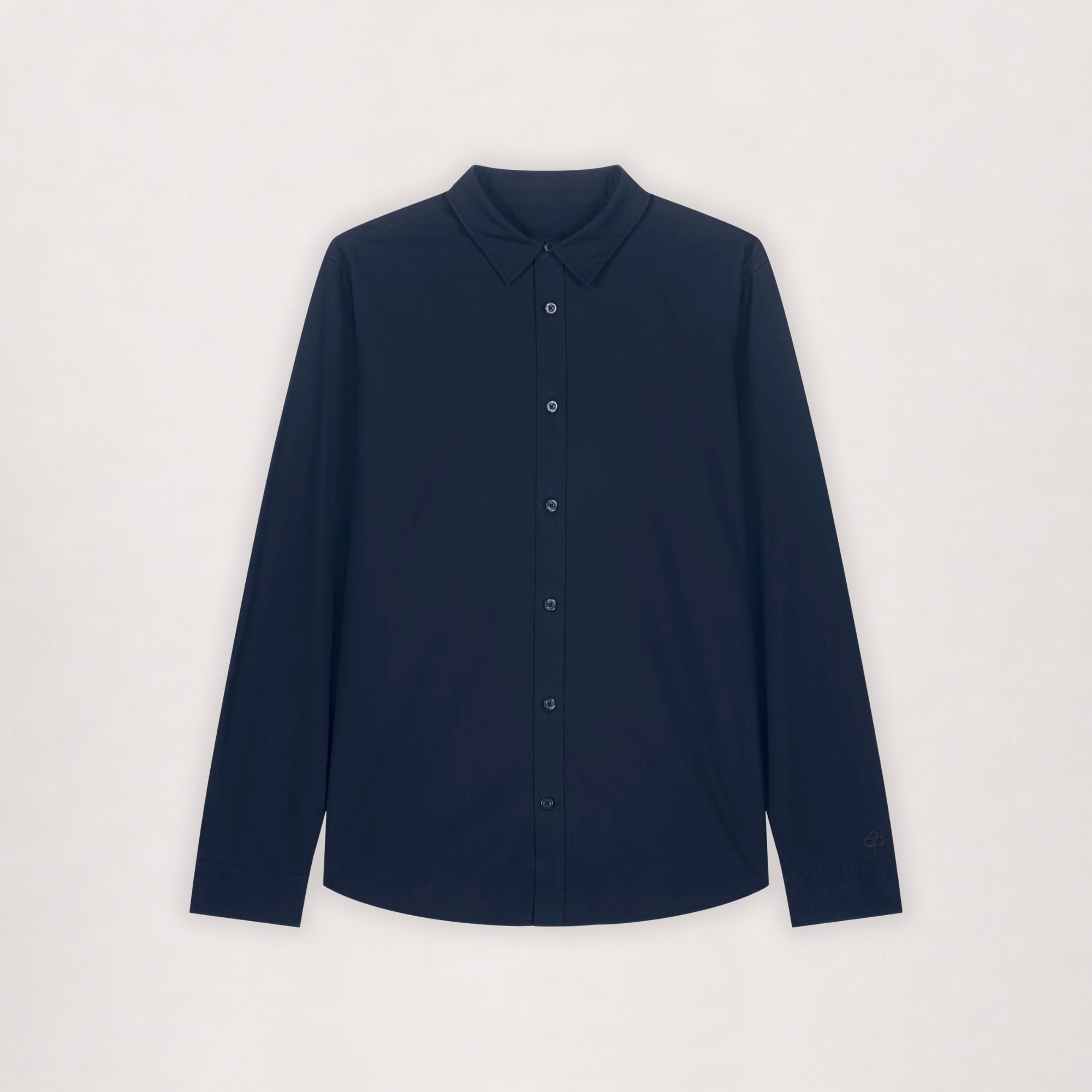
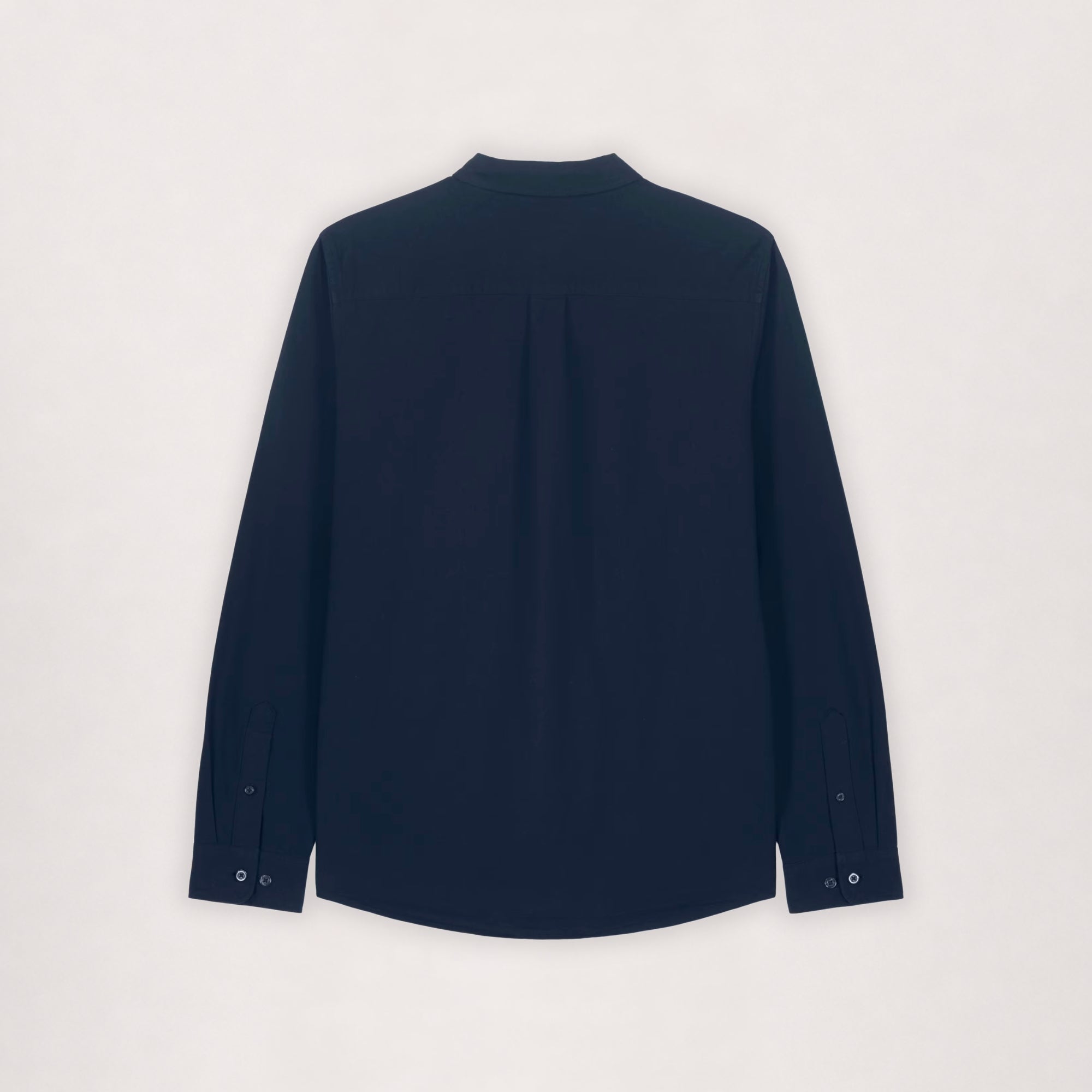
A structured linen shirt that is crisp, substantial, and not sheer can work as both a mid layer and a standalone piece. Layer it over your merino base, and it creates a little insulating space without bulk. The natural variation in linen's weave helps: it holds small pockets of air while still allowing moisture to move through. Over the linen, add your merino cardigan or outer layer.
Cotton has a role too, but choose it carefully. A fine cotton tee under linen is not always ideal because cotton holds moisture longer than linen and does not regulate temperature the way merino does. But a cotton and linen blend, or a layered system where cotton sits between merino and linen, can work if the weave is open enough to breathe.
The outer layer: merino and natural fibre outerwear
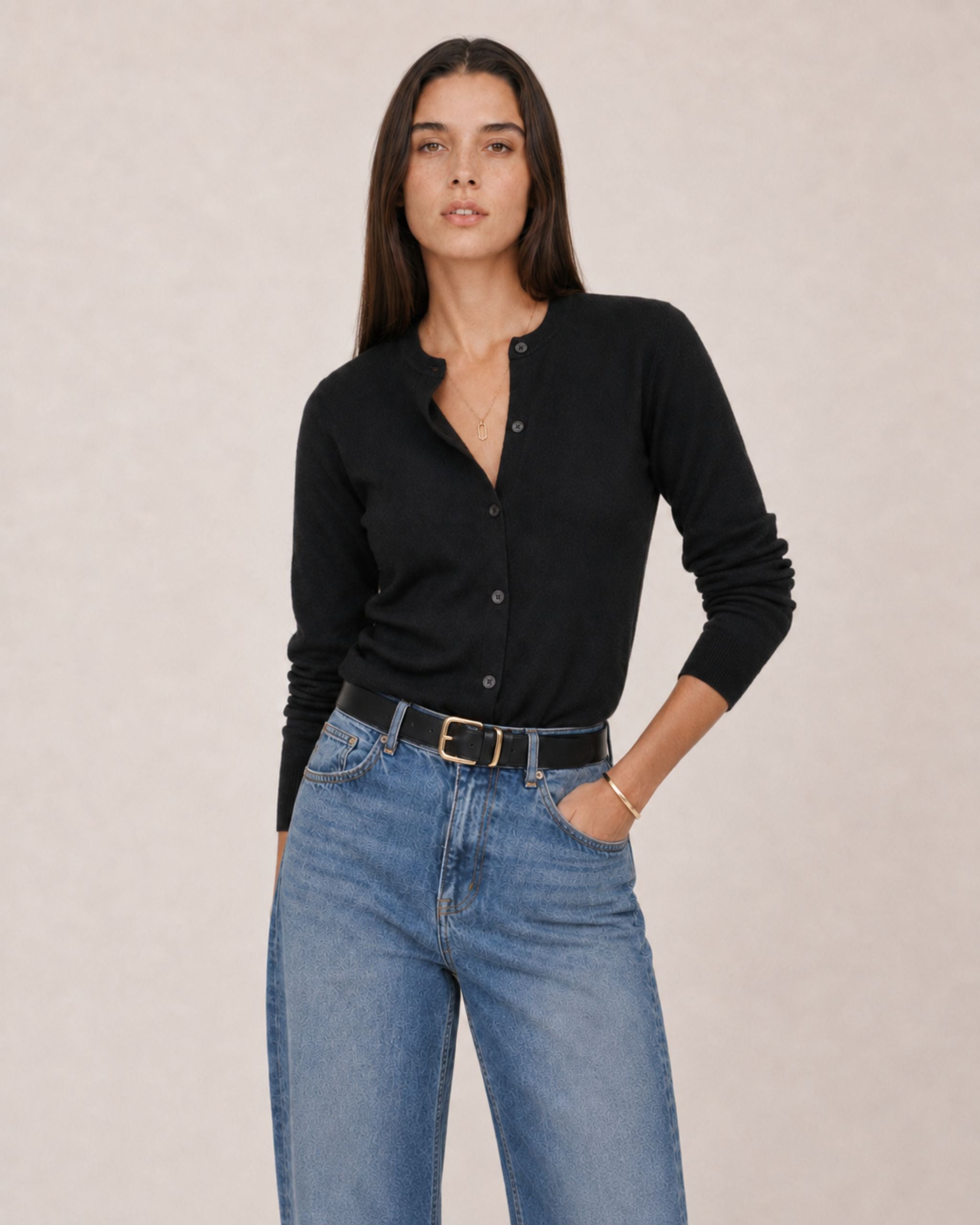
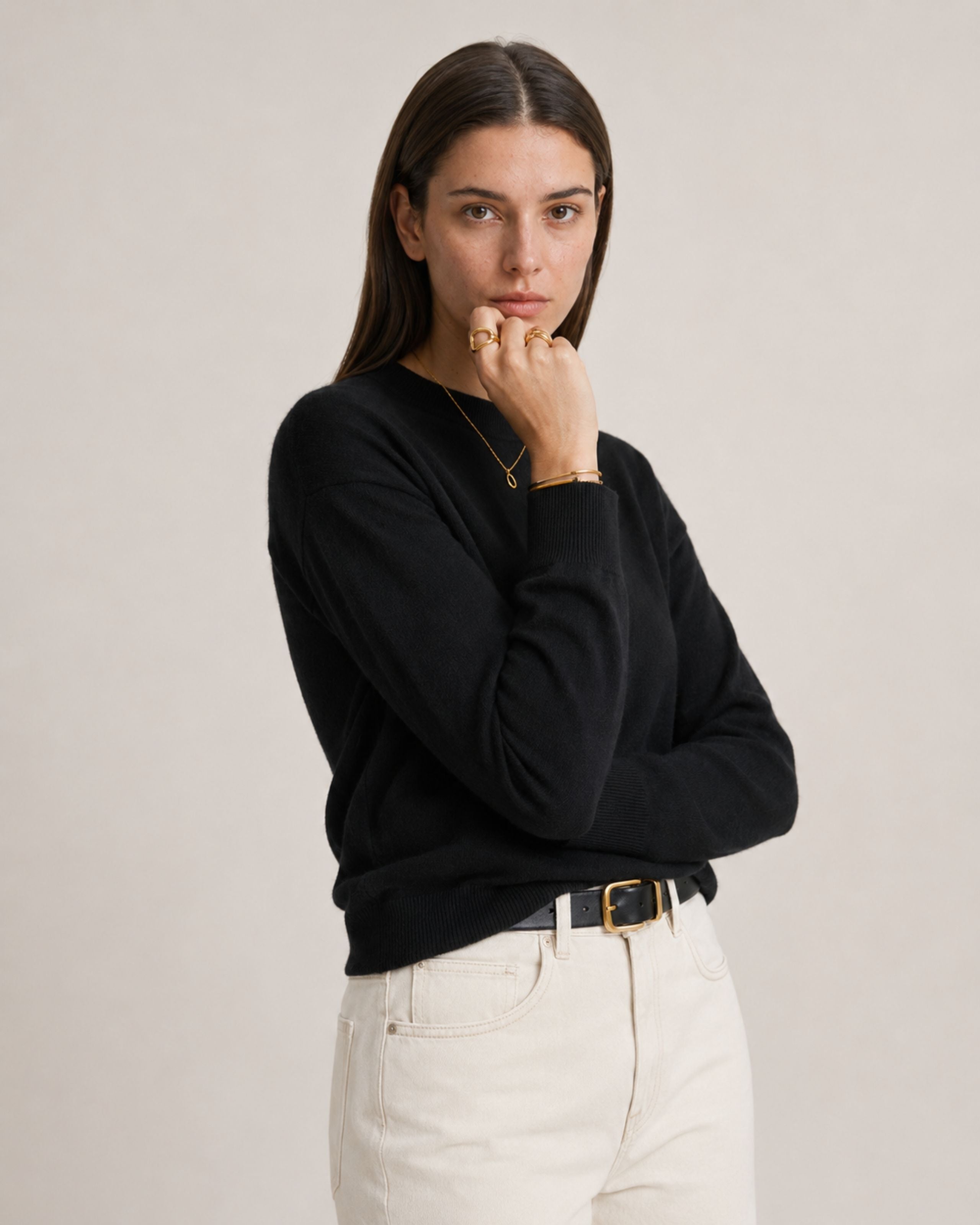
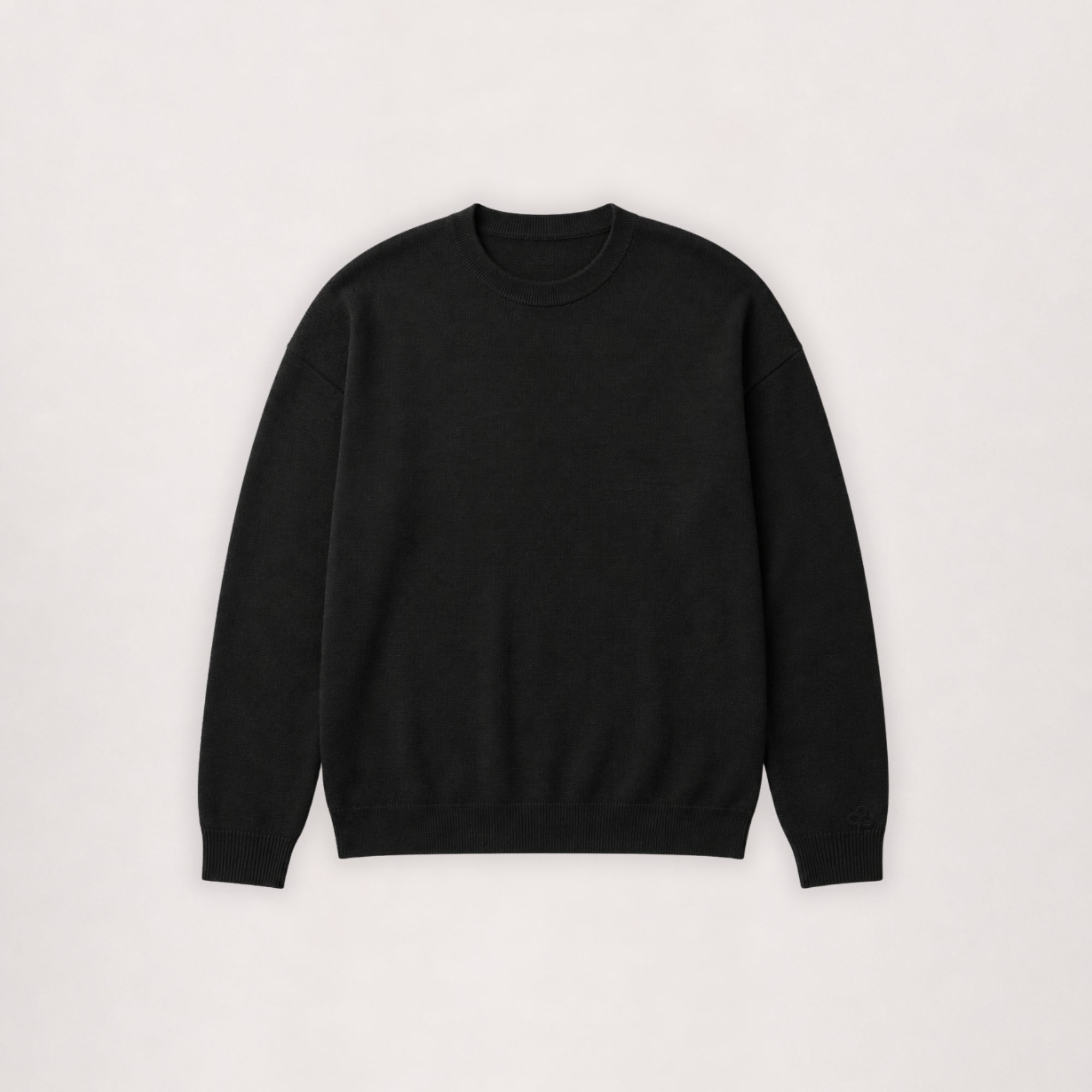
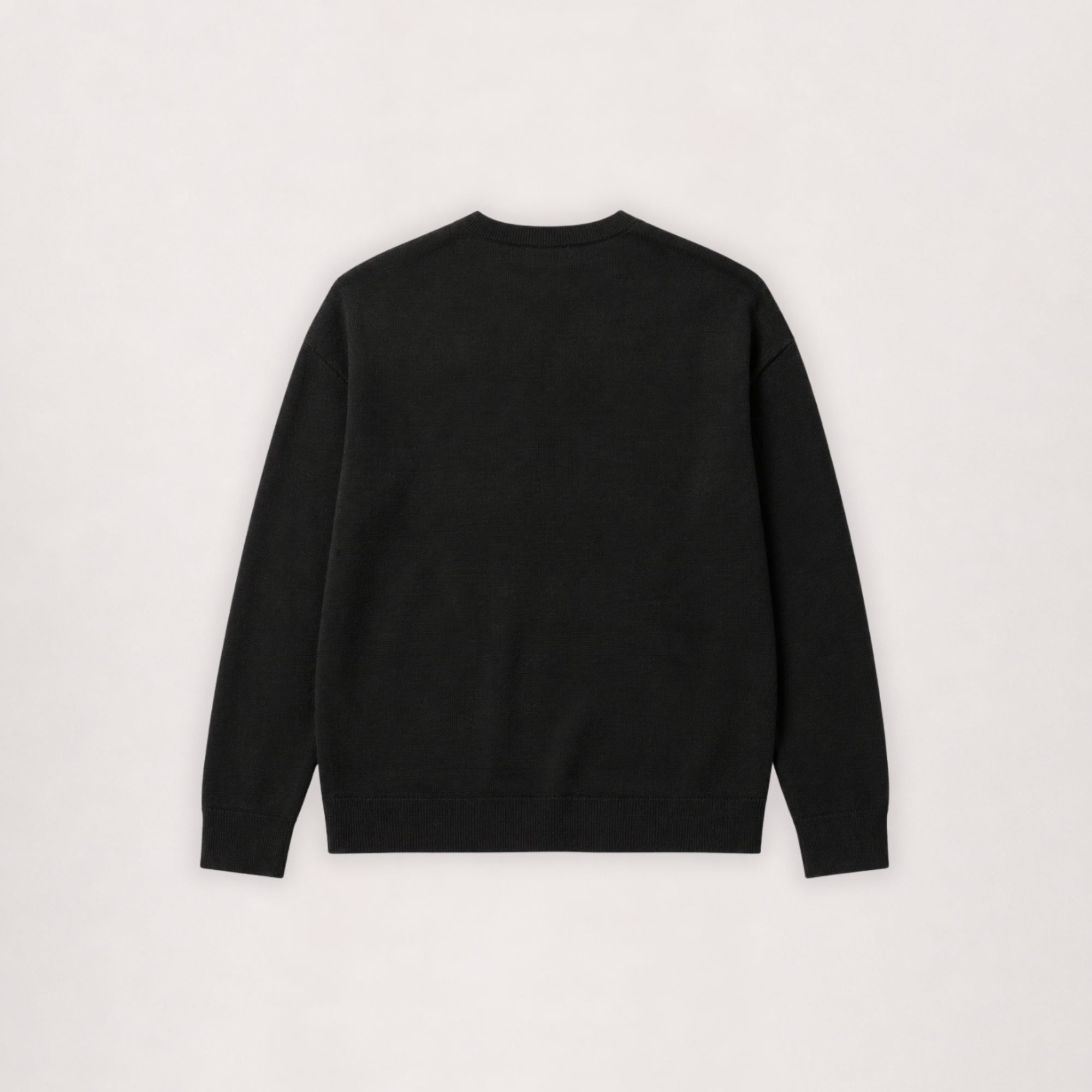
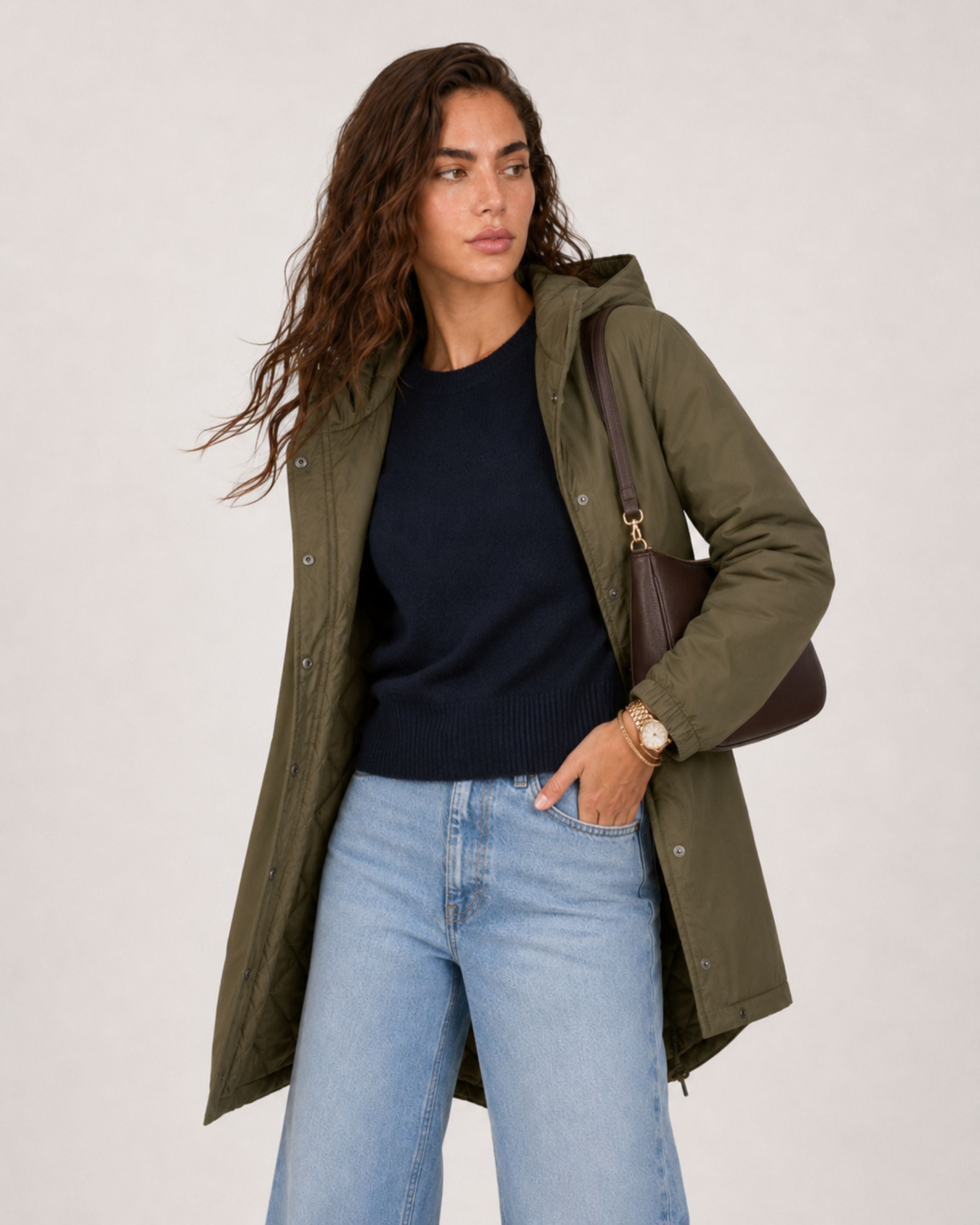
In Barcelona, you rarely need a thick coat. A substantial, close knit merino cardigan can serve as your outer layer for many winter days. Merino cardigans are denser than base layers but still breathe. They insulate without restricting movement, and they are easier to add and remove than a coat as you move between indoor and outdoor temperatures.
The merino cardigan also bridges seasons. Worn open over a linen shirt in spring, it's a lightweight layer. Buttoned over your full winter stack, it's your warmest piece. This versatility is what builds a real capsule wardrobe: pieces that work in multiple configurations.
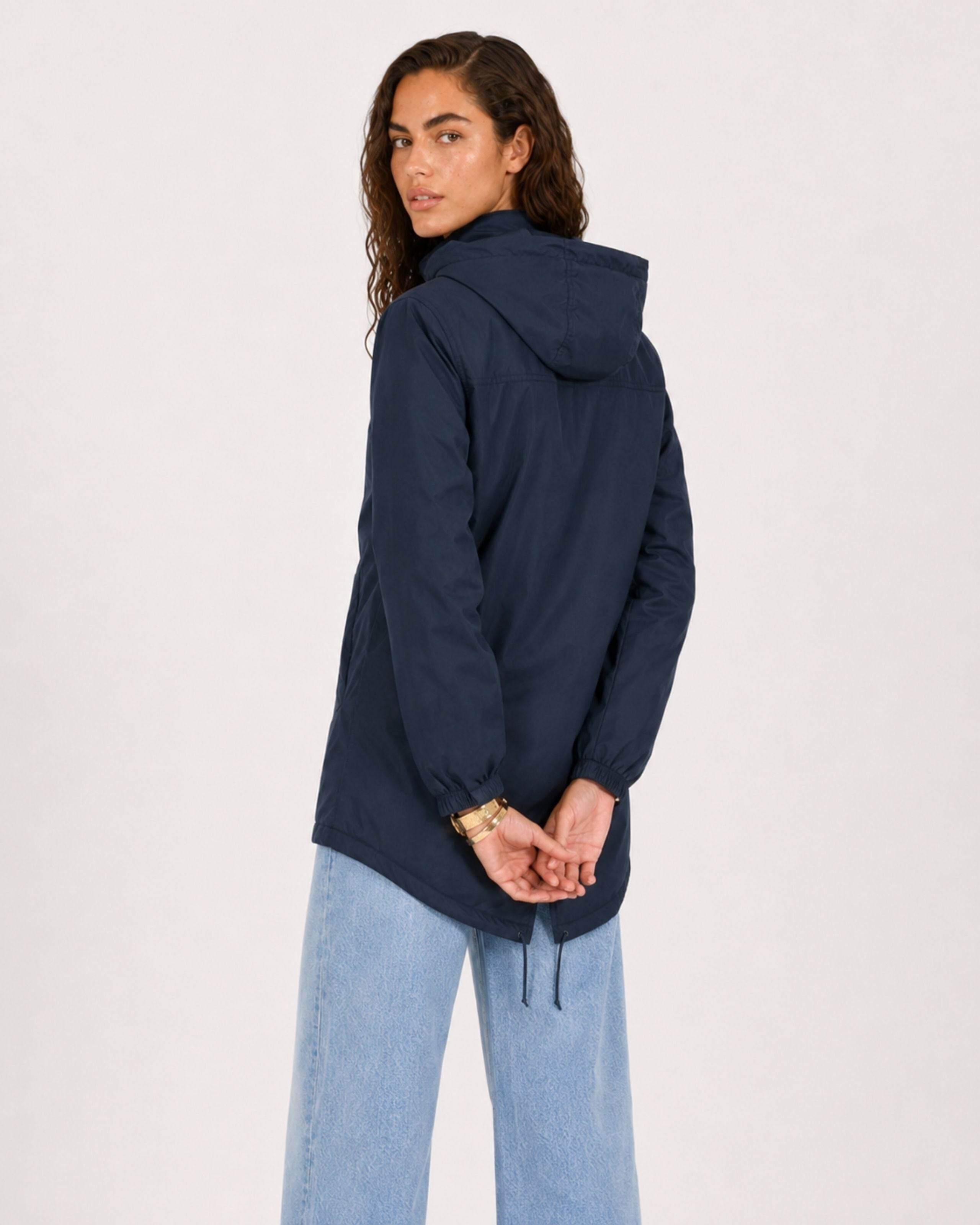
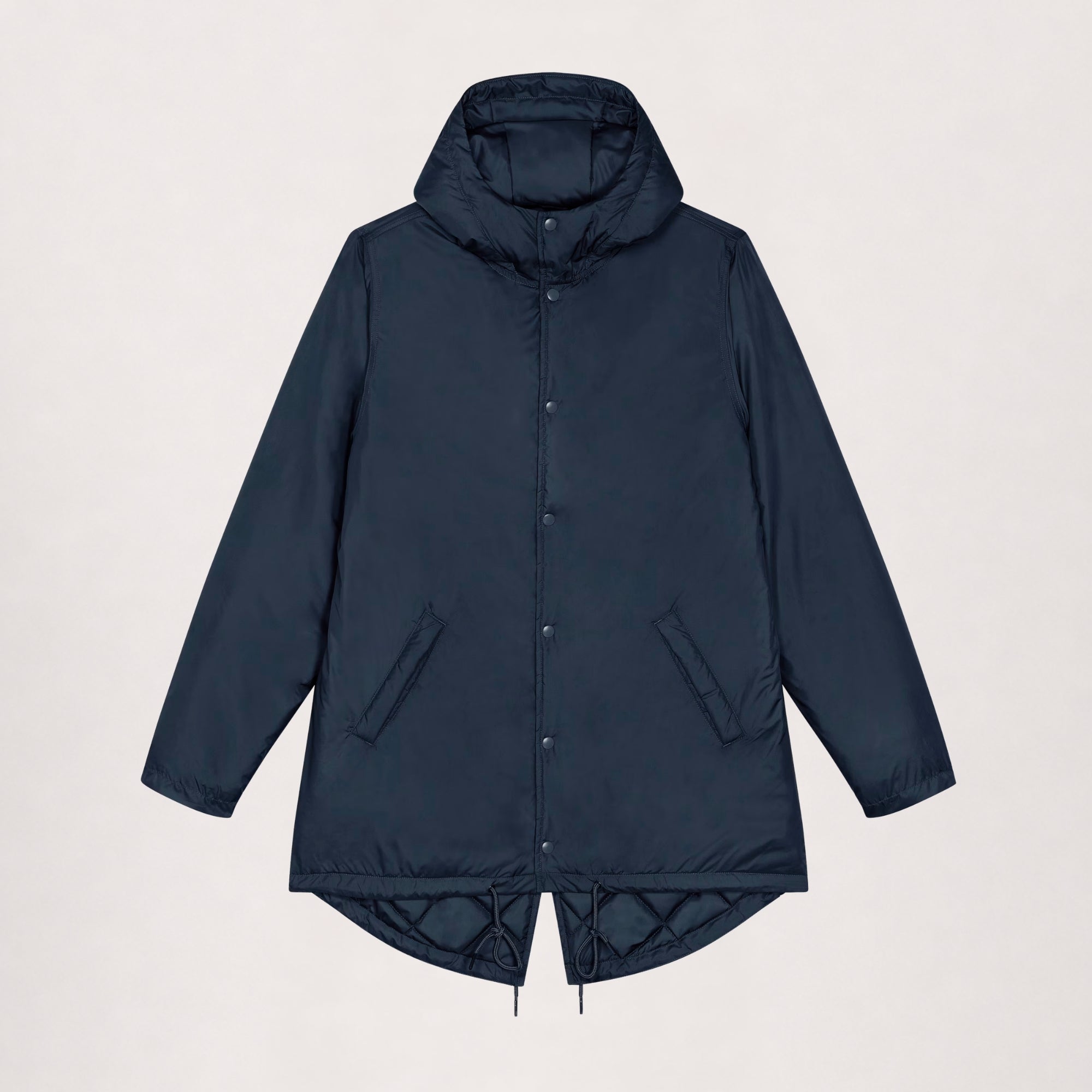
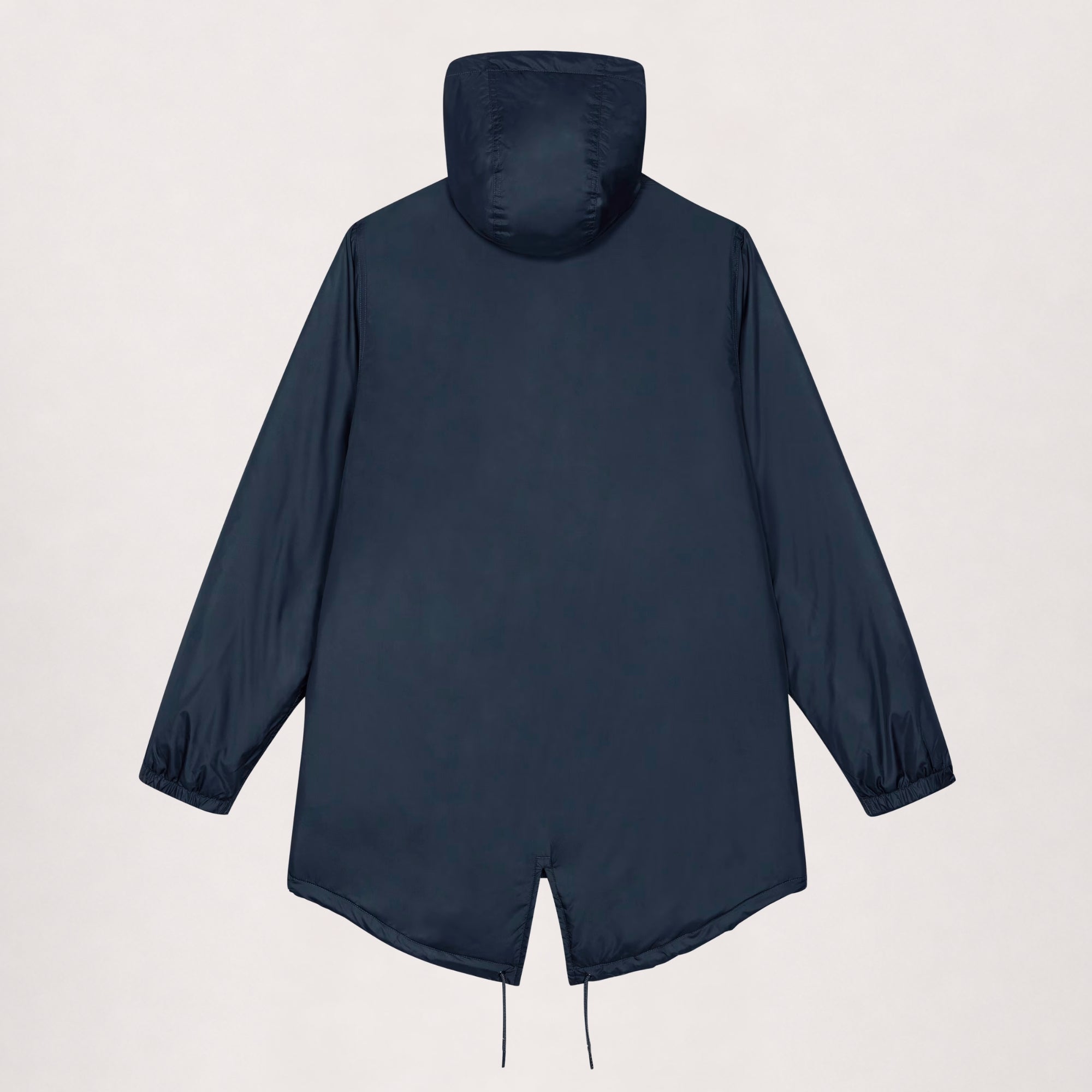
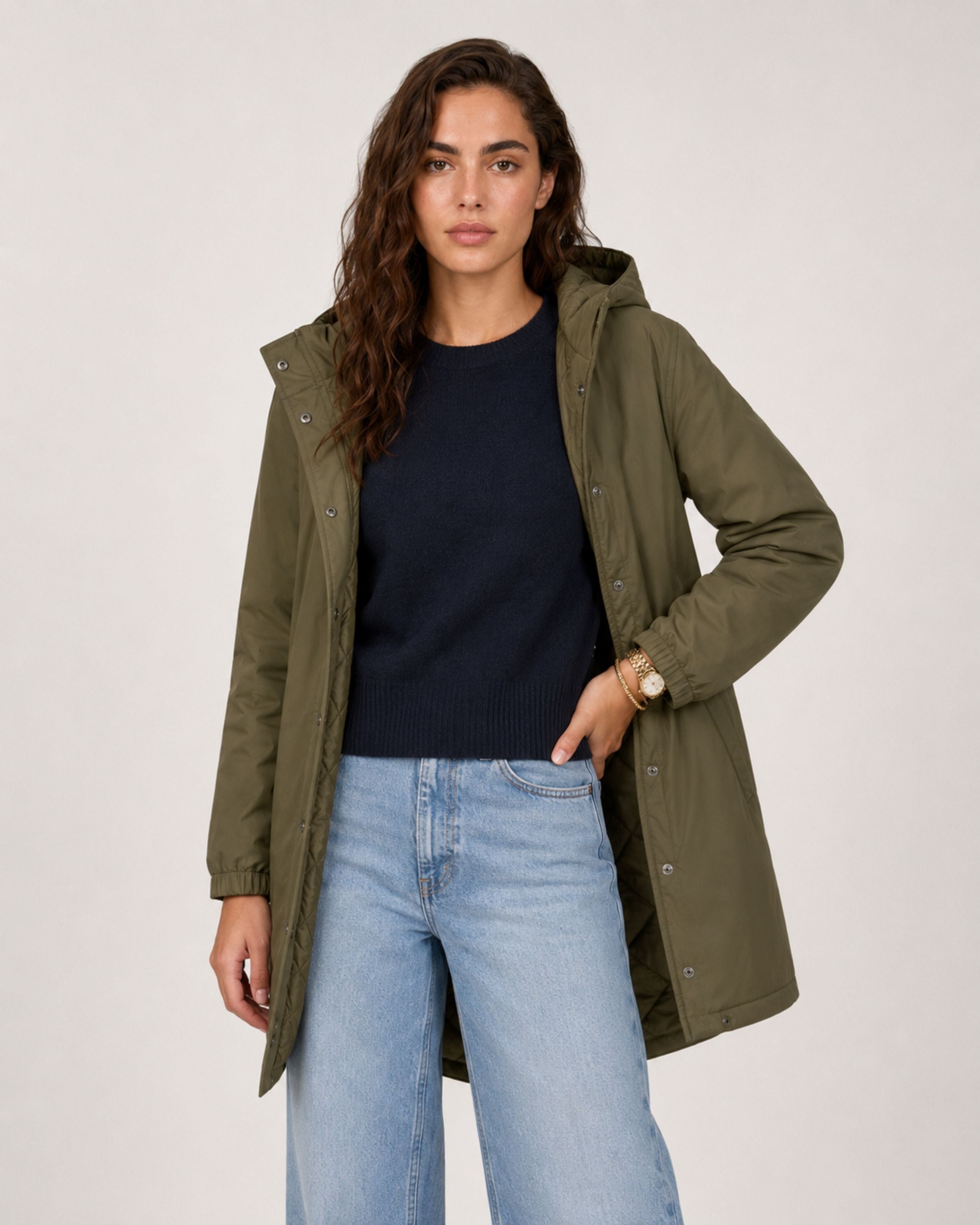
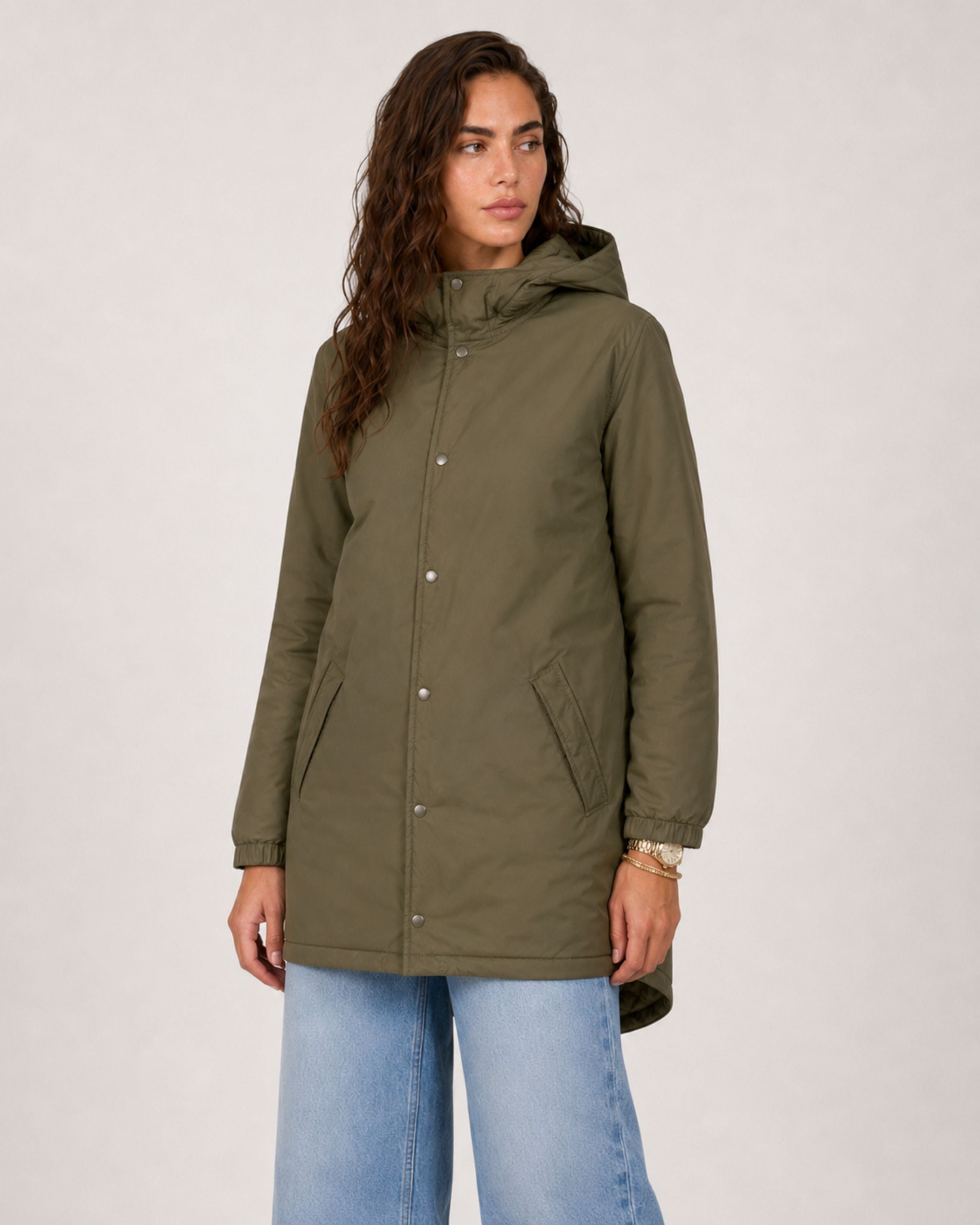
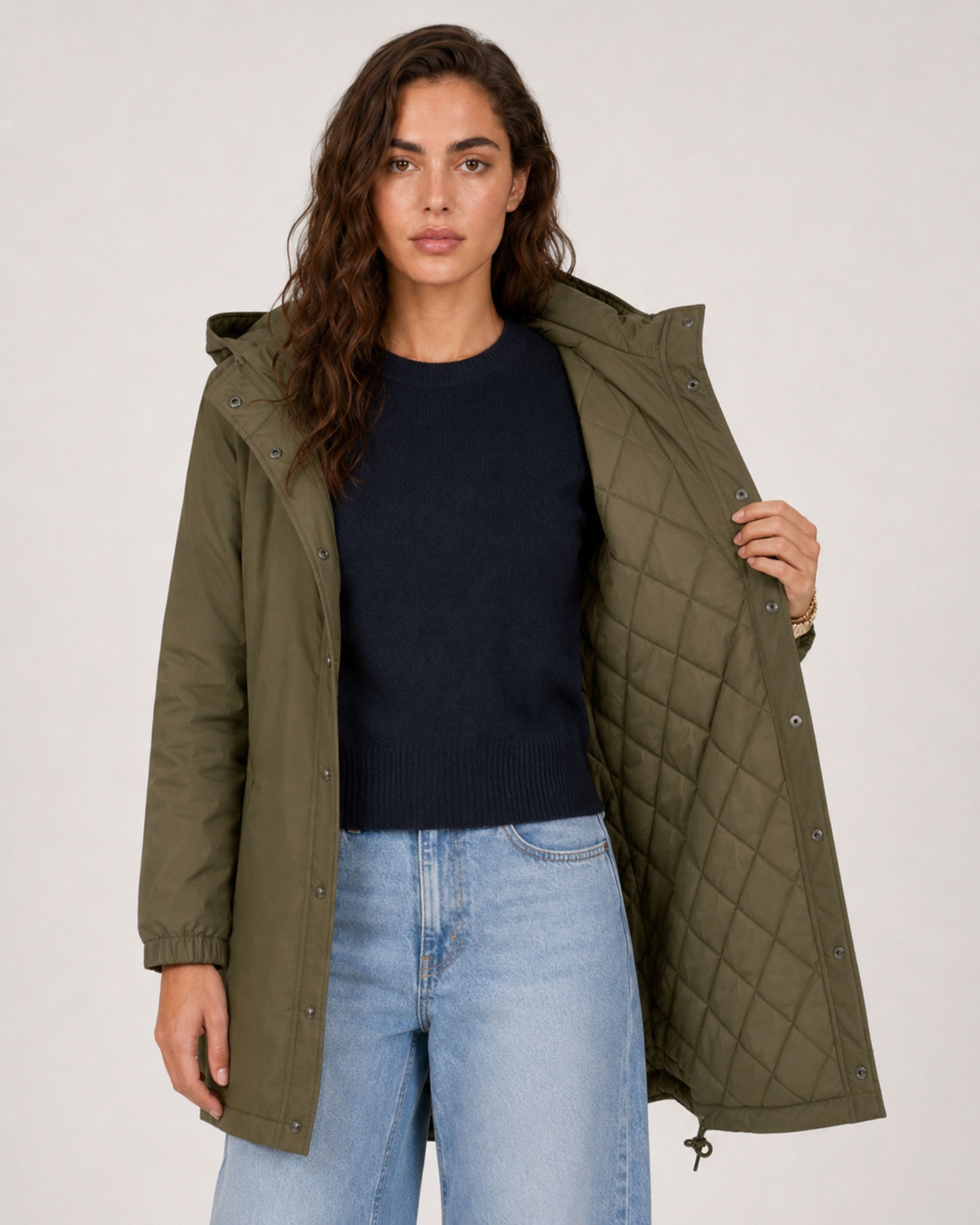
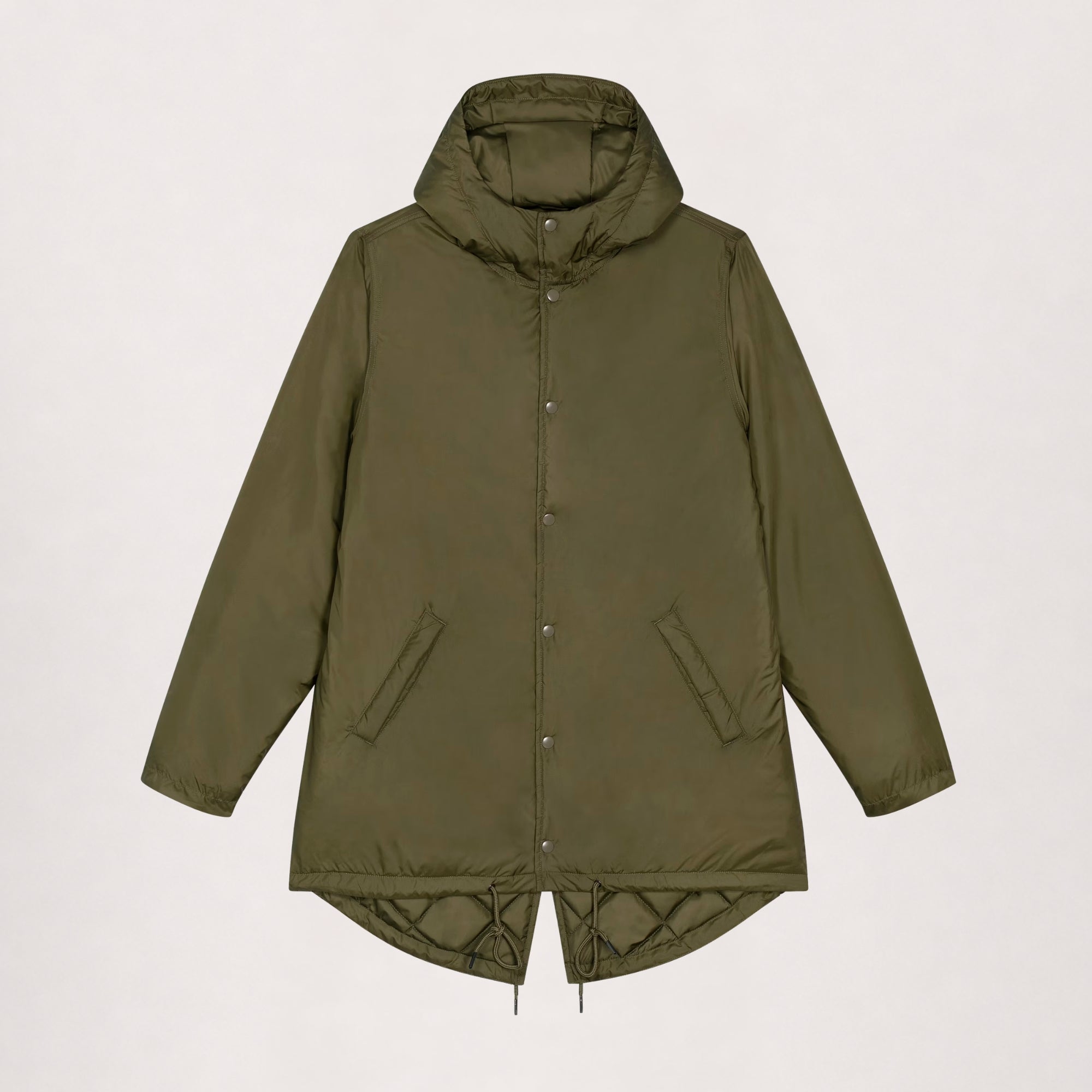
When you do need outerwear, a heavier coat for travel or colder weeks, look for natural fibres or natural and synthetic blends with a high natural fibre content. Wool coats with breathable linings, for example, allow moisture to move even in a heavier piece. Avoid fully synthetic insulation under natural fibre outer shells when possible; the moisture management is often less comfortable at that scale.
Build 10 winter outfits from 5 pieces
The magic of natural fibre layering is that a small selection of pieces creates far more outfits than you might expect. Here are ten real combinations from five core pieces: a merino base layer, a merino cardigan, a linen shirt, structured linen trousers, and a cotton and linen tee.
- Outfit 1: Merino base + linen shirt + merino cardigan (buttoned). Daytime layering for a 12°C morning walk and café visit.
- Outfit 2: Merino base + cotton tee + linen trousers. Lighter indoor option when the apartment is warm.
- Outfit 3: Merino base + linen shirt + linen trousers (no cardigan). A monochromatic, minimalist look for warmer winter days.
- Outfit 4: Merino base + cotton tee + merino cardigan (open) + linen trousers. Textured layers visible but controlled.
- Outfit 5: Merino base + linen shirt + linen trousers + merino cardigan (open over shoulders). Effortless draping, high versatility.
- Outfit 6: Cotton tee + merino cardigan (buttoned) + linen trousers. A simplified version for rushed mornings.
- Outfit 7: Merino base + linen shirt unbuttoned over cotton tee + merino cardigan. Layered textures for visual interest.
- Outfit 8: Merino base + linen shirt + linen trousers + cardigan tied at waist. A summer into winter transition look.
- Outfit 9: Cotton tee + linen shirt (unbuttoned) + merino cardigan + linen trousers. Colour blocking through layering.
- Outfit 10: Merino base + linen shirt + merino cardigan + linen trousers (rolled cuff). Casual Friday with structure underneath.
Each outfit uses a different combination of the same pieces. The key is that each layer serves a function, moisture management, insulation, visual structure, not just bulk.
How to care for a mixed natural fibre wardrobe
Natural fibres have different care needs, but all of them benefit from gentle handling. Merino wool should be washed by hand or machine washed on a wool cycle in cool water. It dries flat and requires minimal ironing. Linen and cotton tolerate warmer water and machine washing, but both benefit from shorter wash cycles and lower heat drying to preserve their structure.
The advantage of a natural fibre wardrobe is that everything lasts longer if you wash it less frequently. Merino can be worn multiple times before washing. Linen often improves with washing; it softens and becomes more supple. Cotton is durable if treated gently. Air drying and flat storage extend the life of all three.
For detailed care instructions tailored to each fibre, our merino care guide walks through the specifics. The principle is universal: natural fibres reward thoughtful care with longevity.
A winter capsule wardrobe built from merino, linen, and cotton works because these fibres can layer together with intention. They move moisture, regulate temperature, and create versatility without too much bulk. Start with a merino base, add a linen mid layer, and top with a merino cardigan. From there, you have a system that adapts to Barcelona's mild winters and transitions into other seasons.
If you're ready to build your own natural fibre winter capsule, our full capsule wardrobe guide provides a complete framework for selecting pieces that work together. And if you're curious about why natural fibres, especially merino and linen, can outperform synthetics over time, why natural fibres last longer explains the science behind durability and value.
For a year round base, pair a structured Linen Shirt with seasonal knitwear from the Merino wool collection when available.